

Souls Like Project Part 02
Continuing the Souls-Like Project, now with part 02.
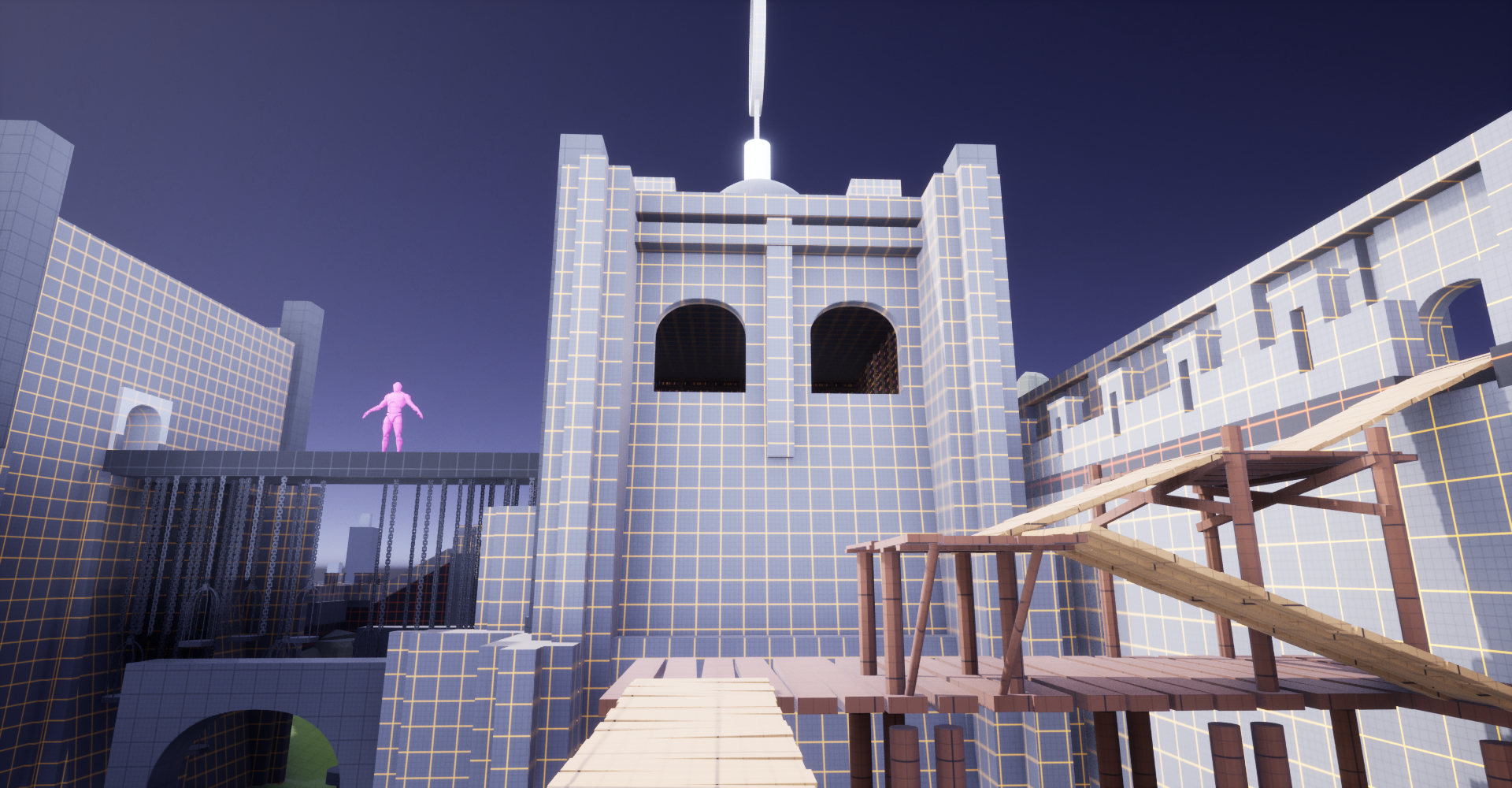
In this second part, the player will be able to see an environment and silhouettes similar to Stormveil Castle, the first big legacy-dungeon/castle, and later Caria Manor, a region called Liurnia of the Lakes. (Elden Ring)
In this part I’ll be more straight-forward since this part it’s bigger than the first.
Please, if you haven't seen Part 1 post where I show you how the journey began, the link below takes you directly to it.
Goals
Create a Level Design project that embodies the core elements of Souls-like games: challenging combat, deliberate pacing, and rewarding difficulty that encourages exploration. This project aims to showcase the concepts I've learned from playing and studying the Level Design of FromSoftware's games.
The level is divided into two distinct regions, each inspired by different Legacy Dungeons from Elden Ring. While both areas share the same interconnected philosophy, they emphasize different aspects of exploration, combat pacing, and spatial navigation.
The overall layout was designed around layered progression, where the player constantly discovers new connections between previously visited areas. Locked doors, shortcuts, optional paths, and environmental landmarks were used to create a sense of familiarity and mastery as the player gradually understands the space.
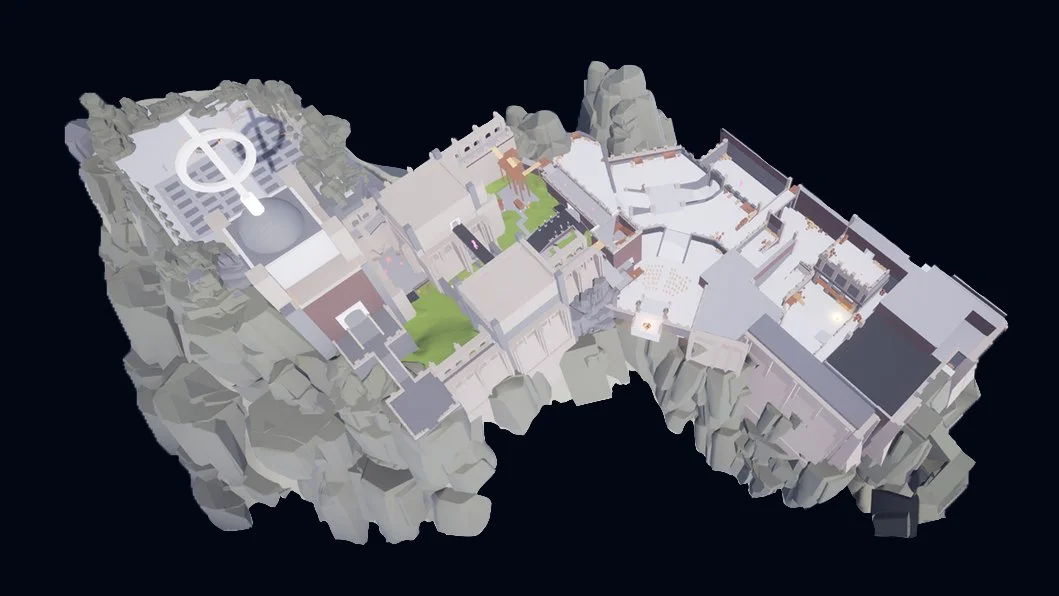
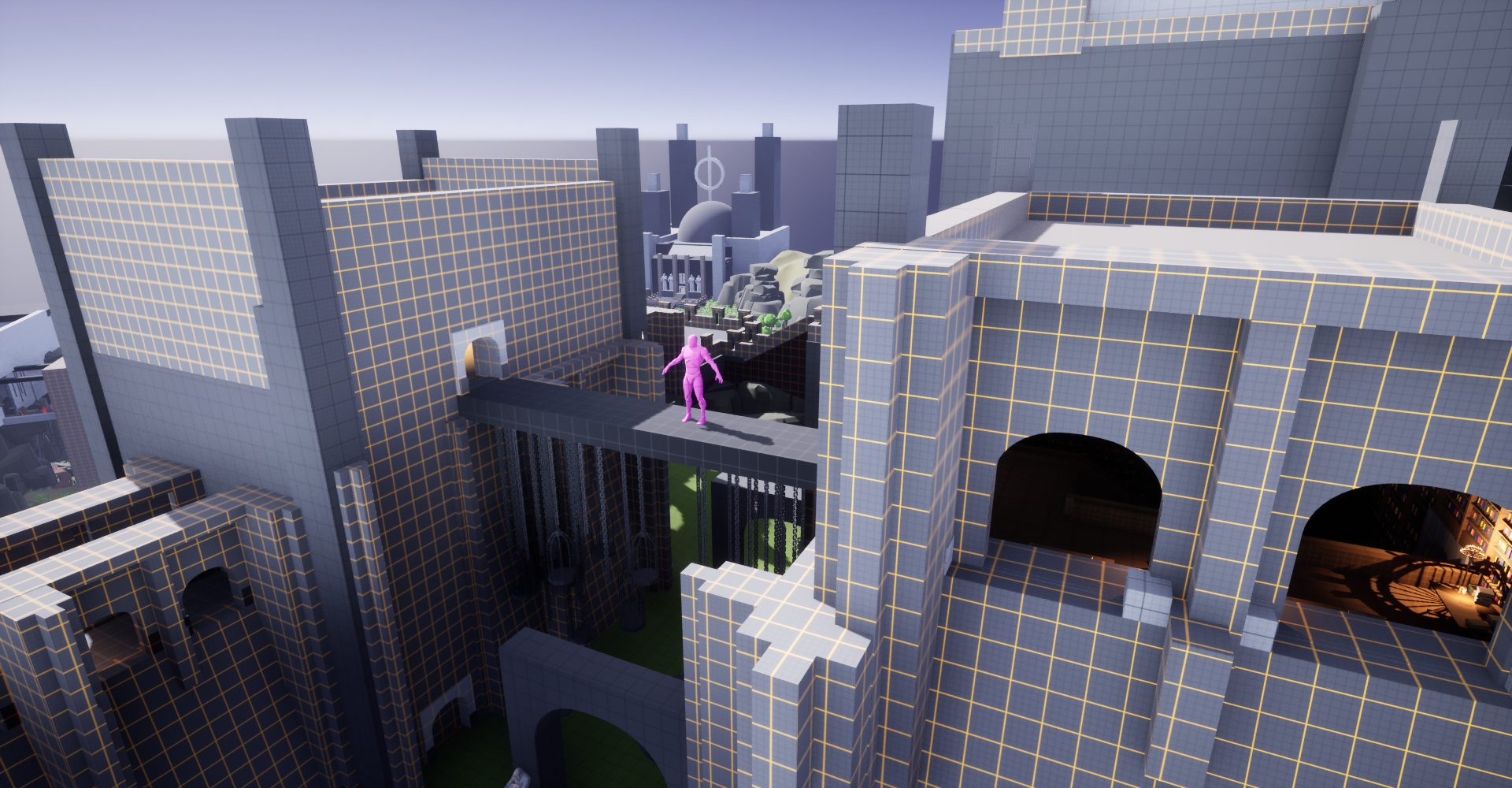
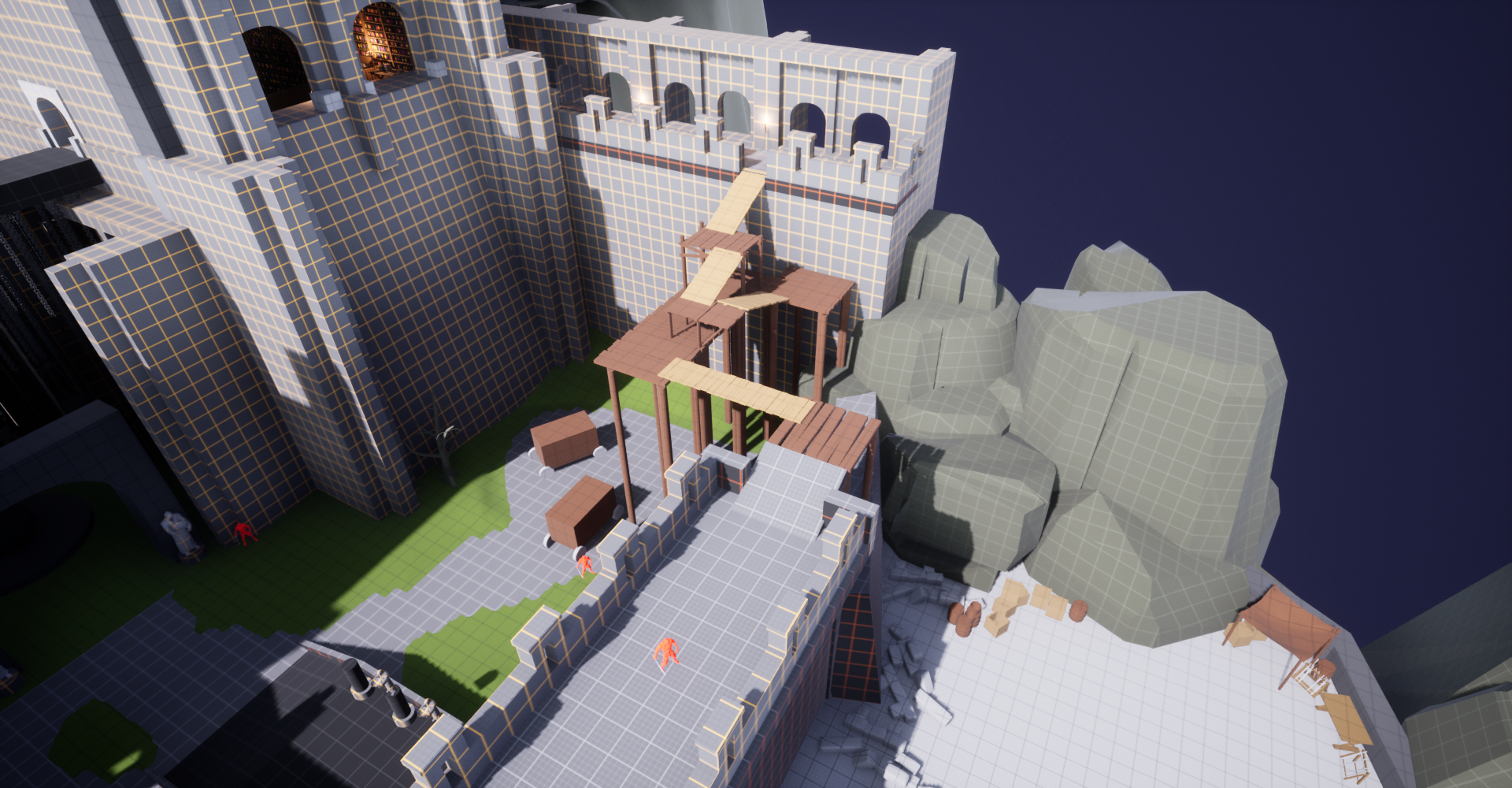
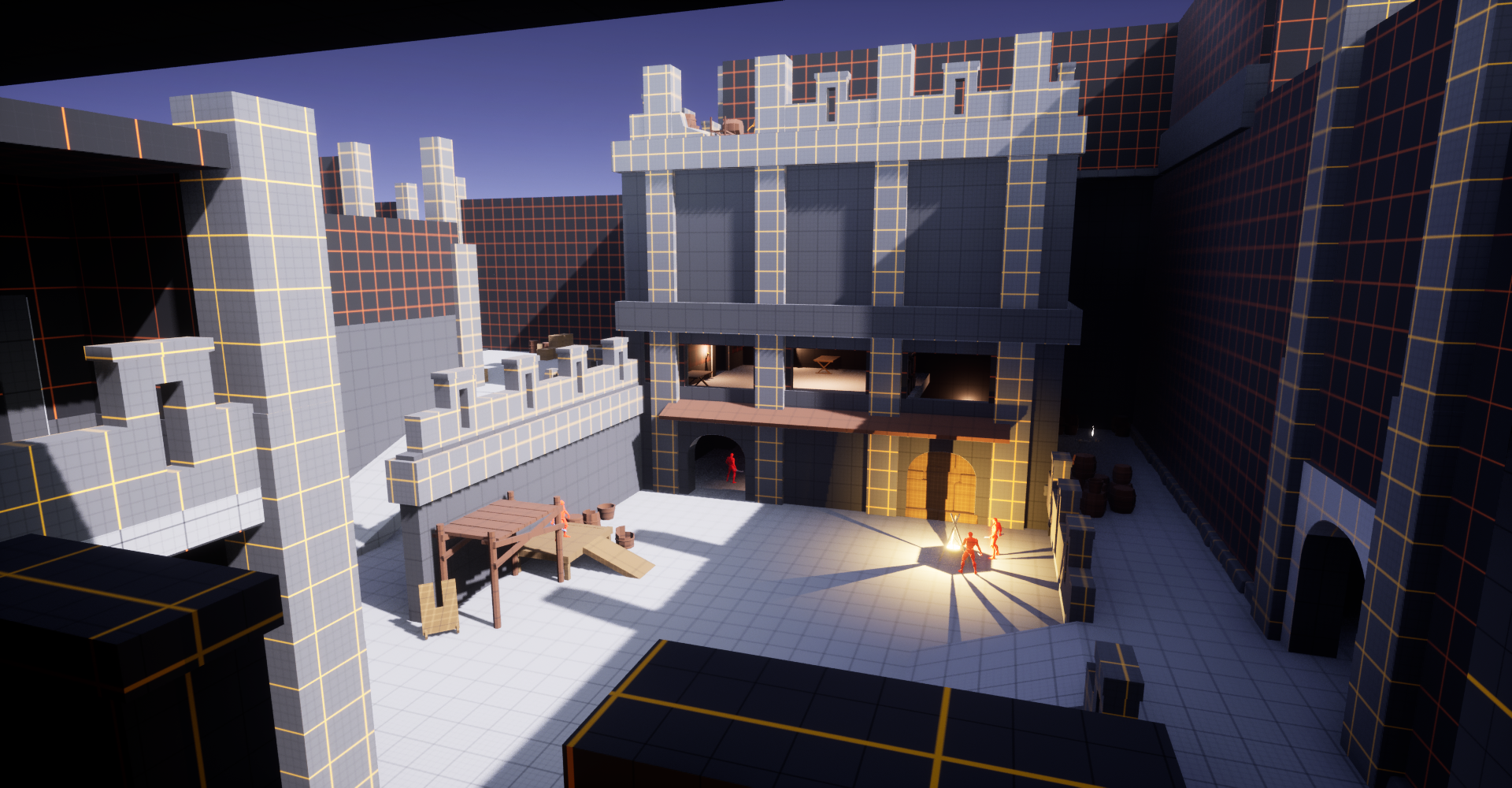
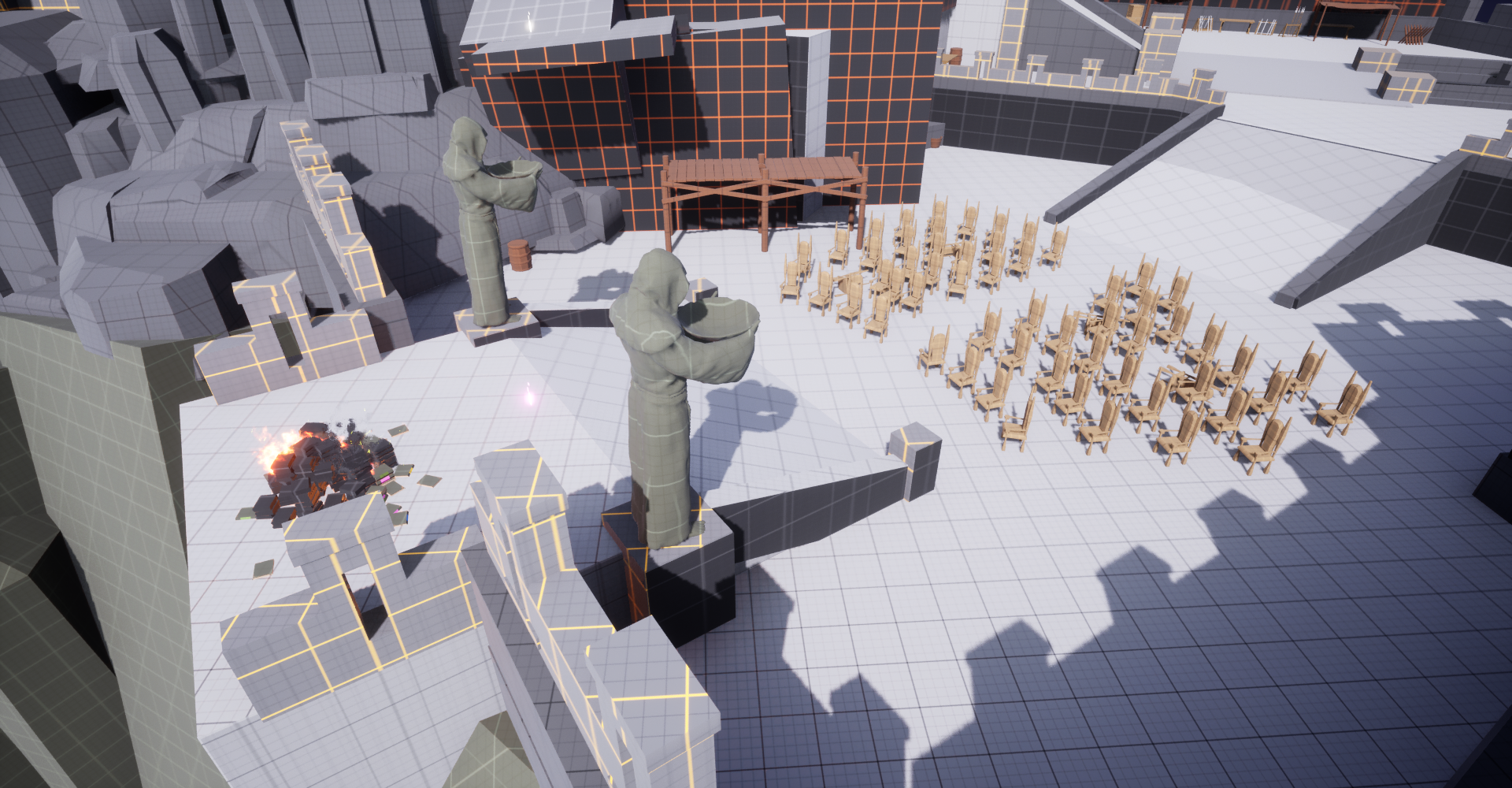
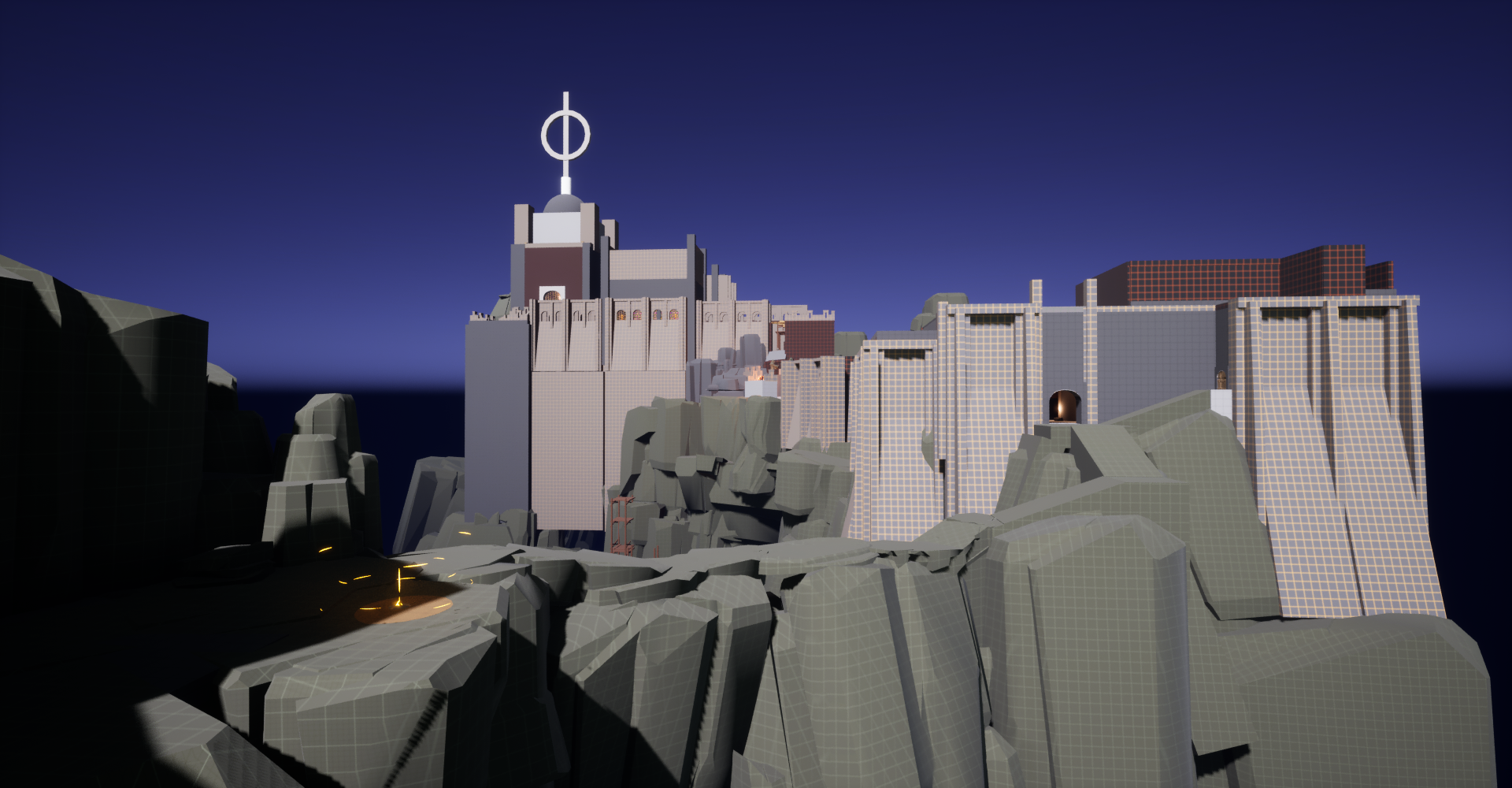
How it is divided
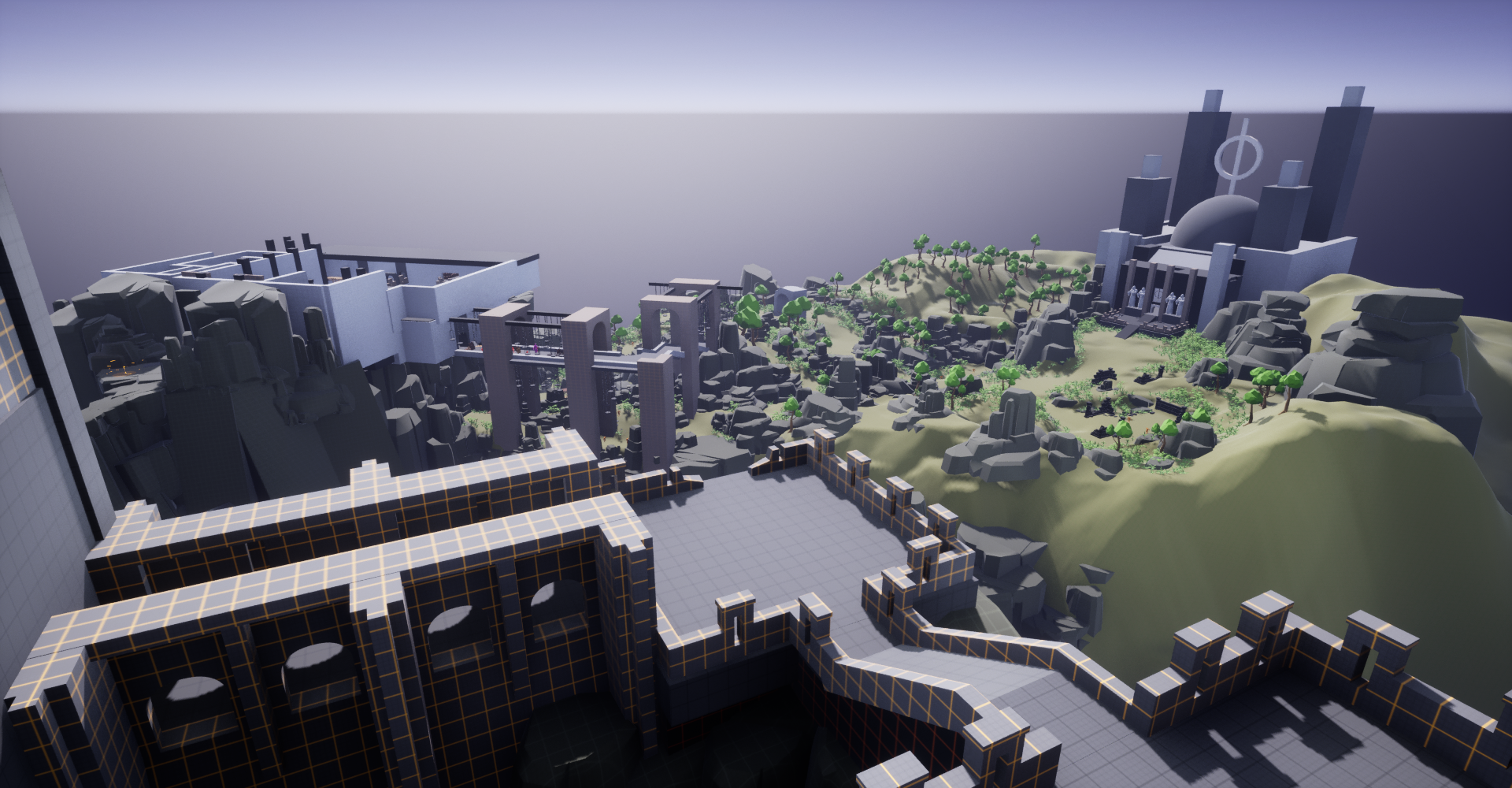
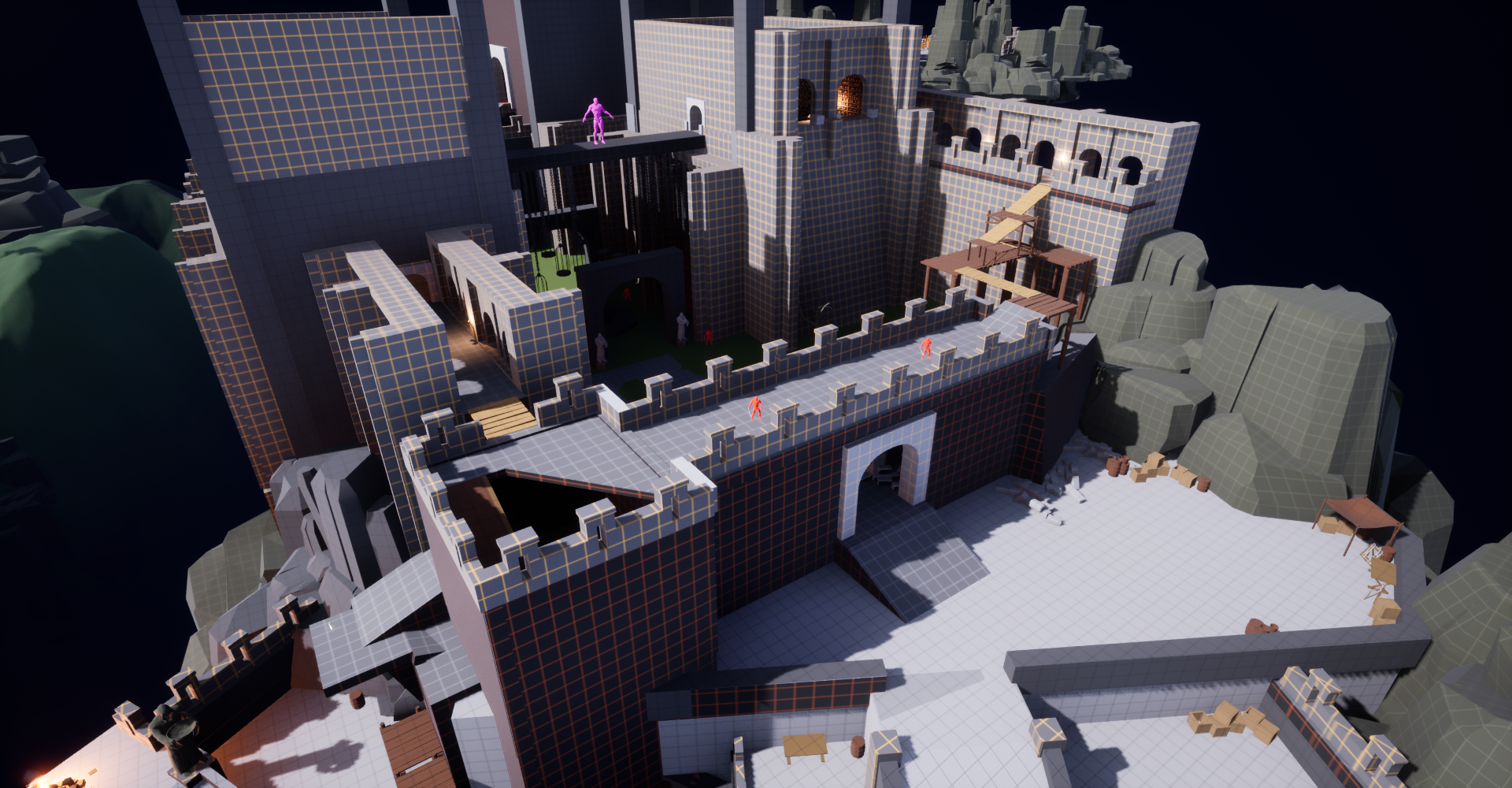
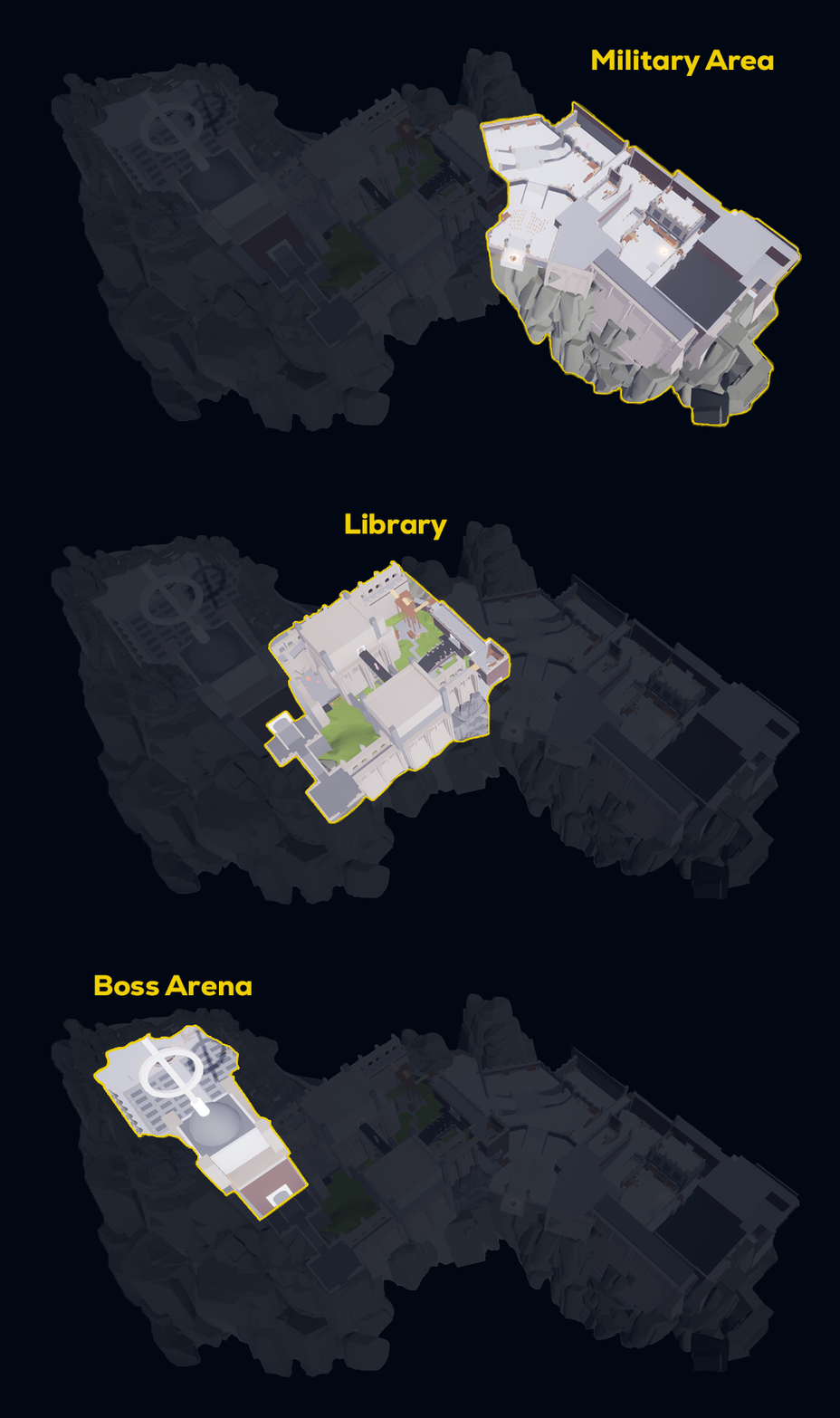
Mainly divided into three distinct regions, each inspired by different Legacy Dungeons from Elden Ring.
The first two areas share the same interconnected philosophy, they emphasize different aspects of exploration, combat pacing, and spatial navigation. Leading to the third area, an Arena for an epic boss battle.
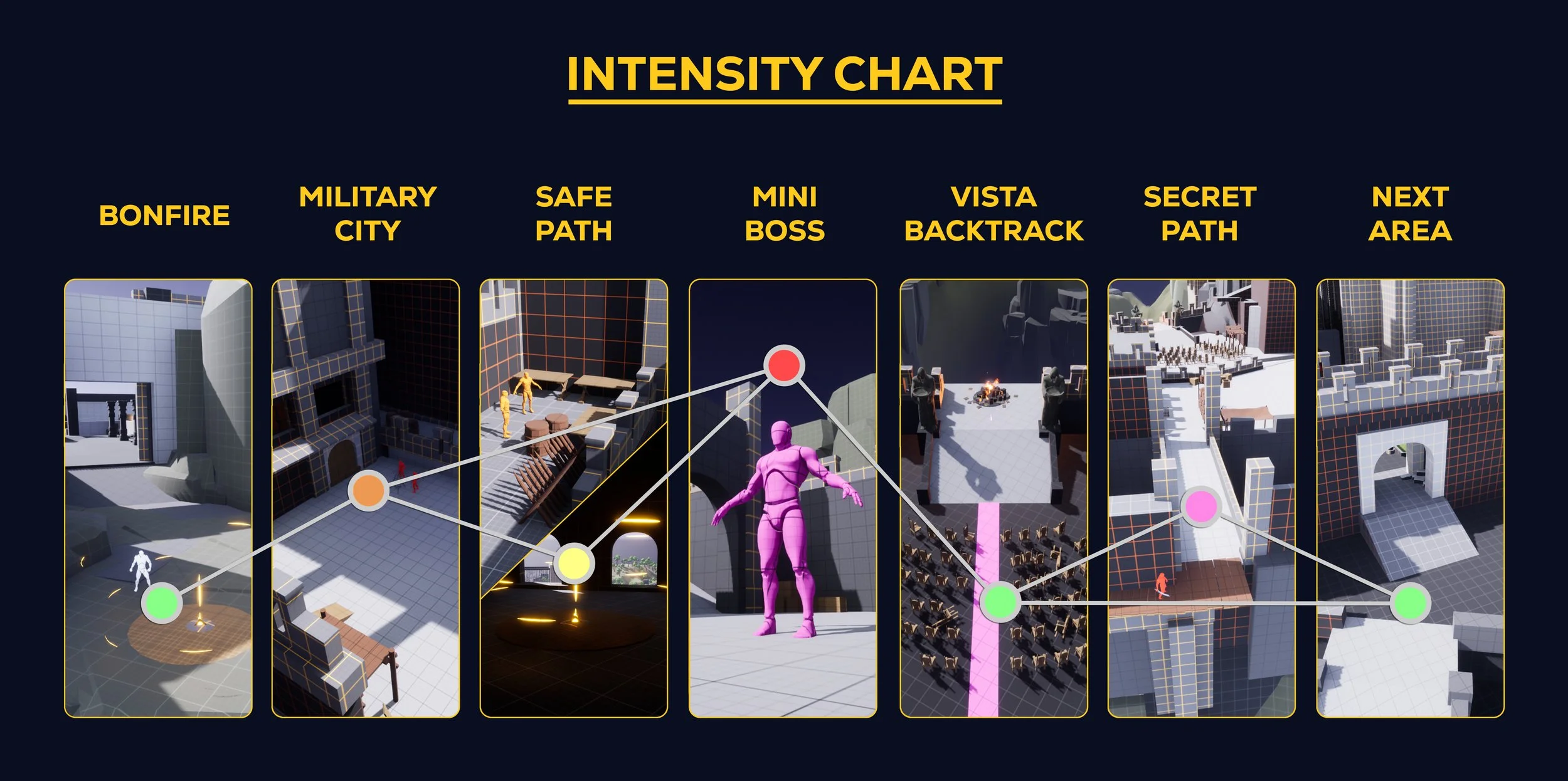
This area was designed around controlled shifts in intensity, creating moments of danger, anticipation, and recovery.
The overall layout was designed around layered progression, where the player constantly discovers new connections between previously visited areas. Locked doors, shortcuts, optional paths, and environmental landmarks were used to create a sense of familiarity and mastery as the player gradually understands the space.
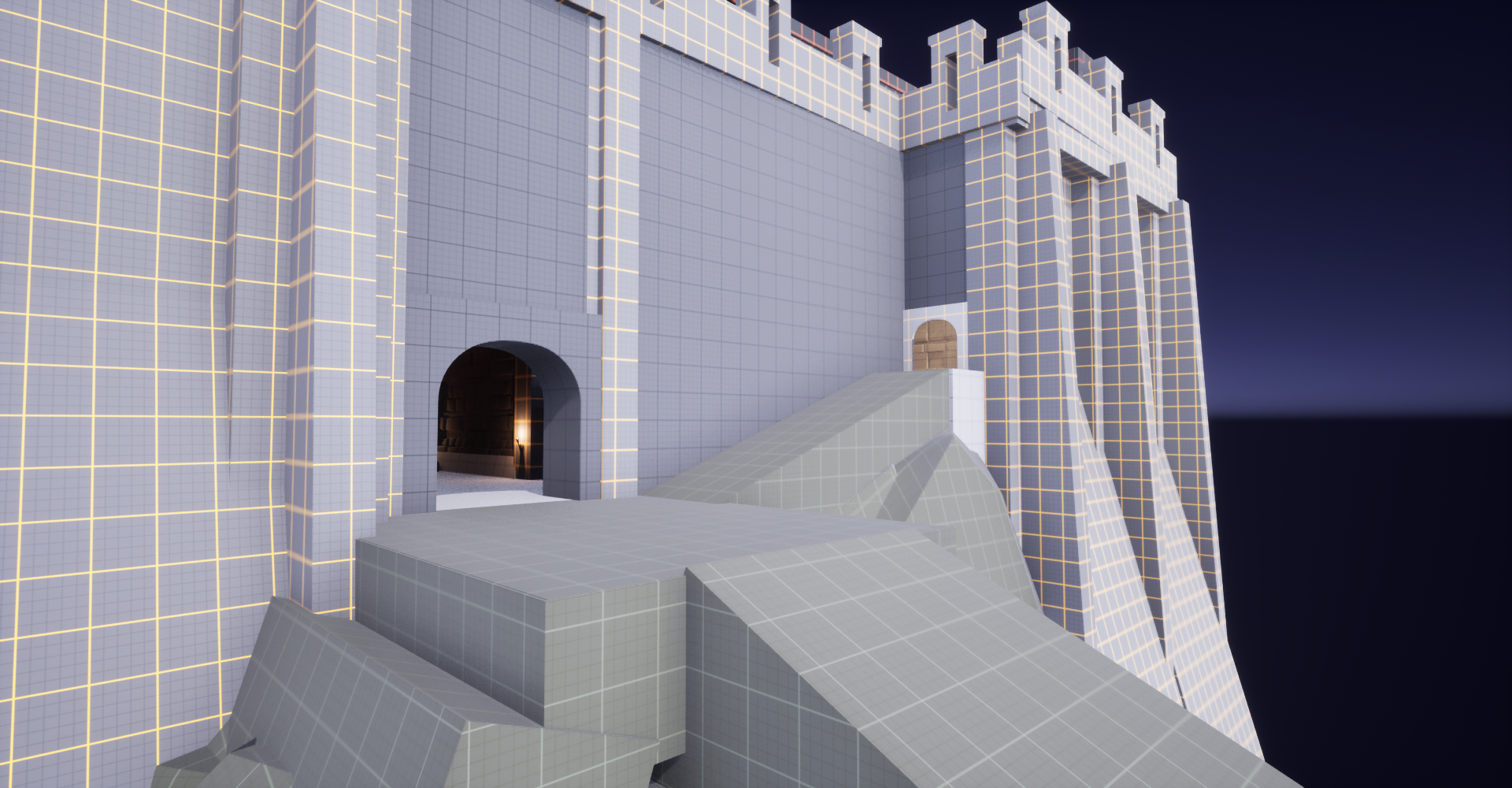
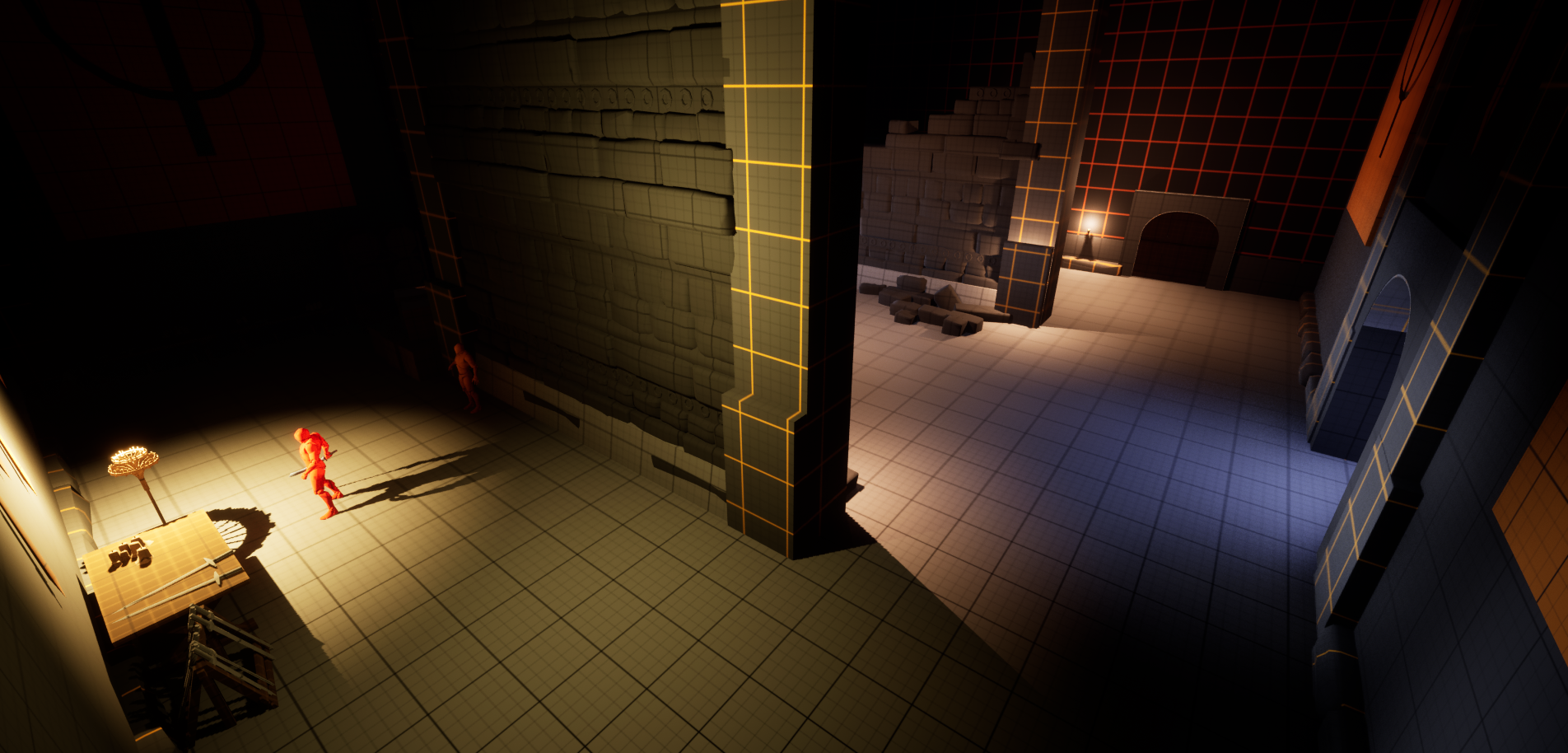
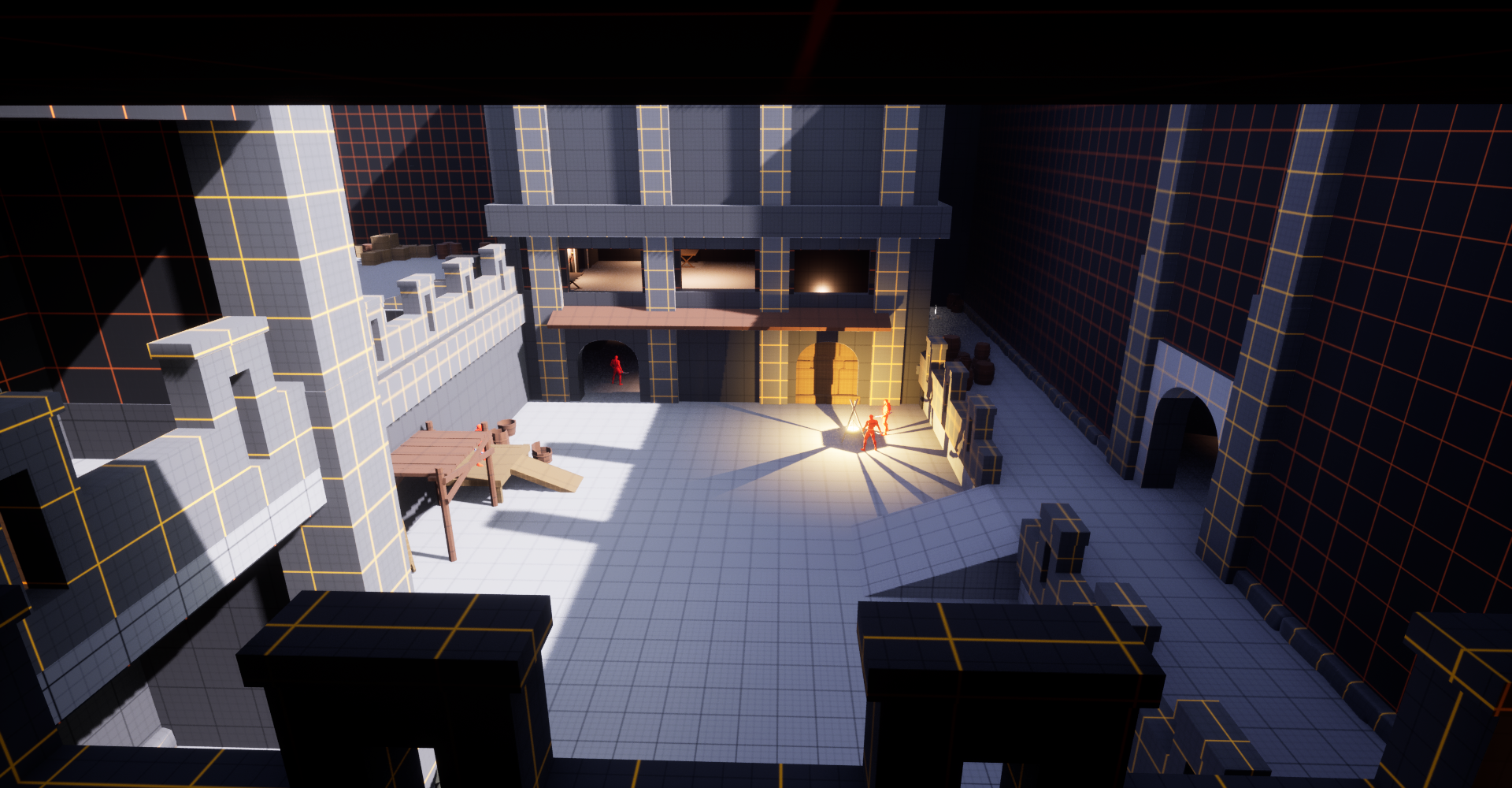
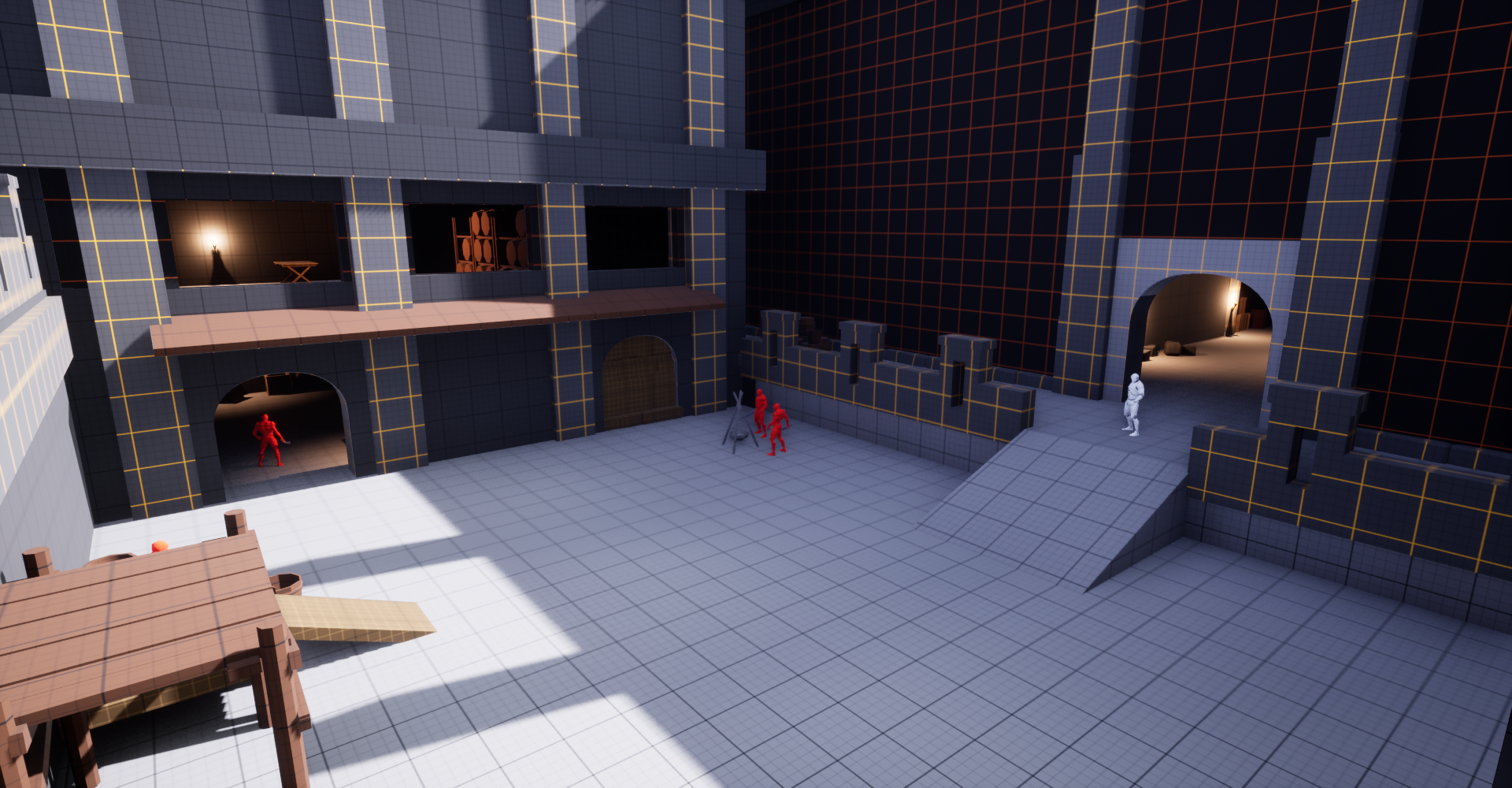
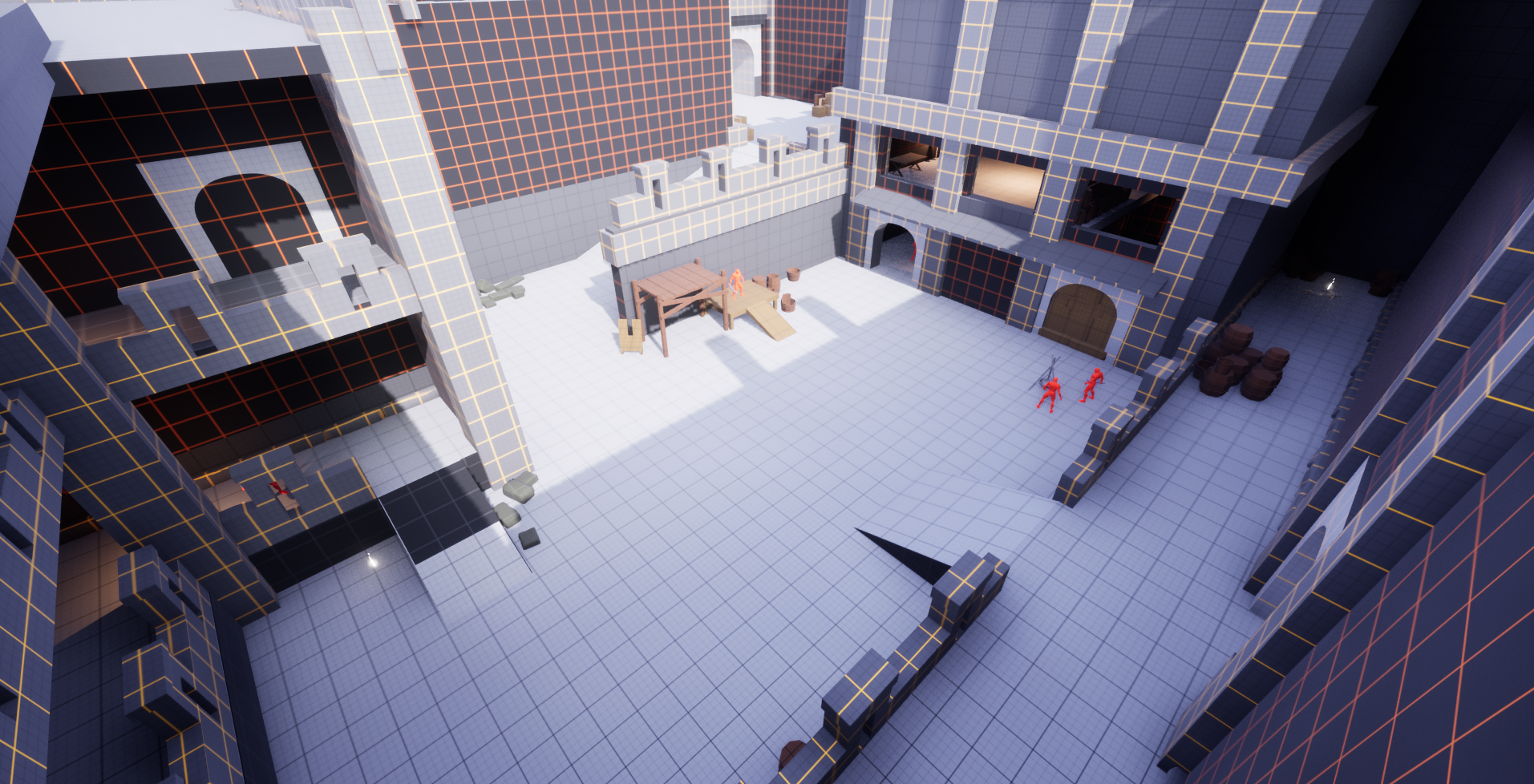
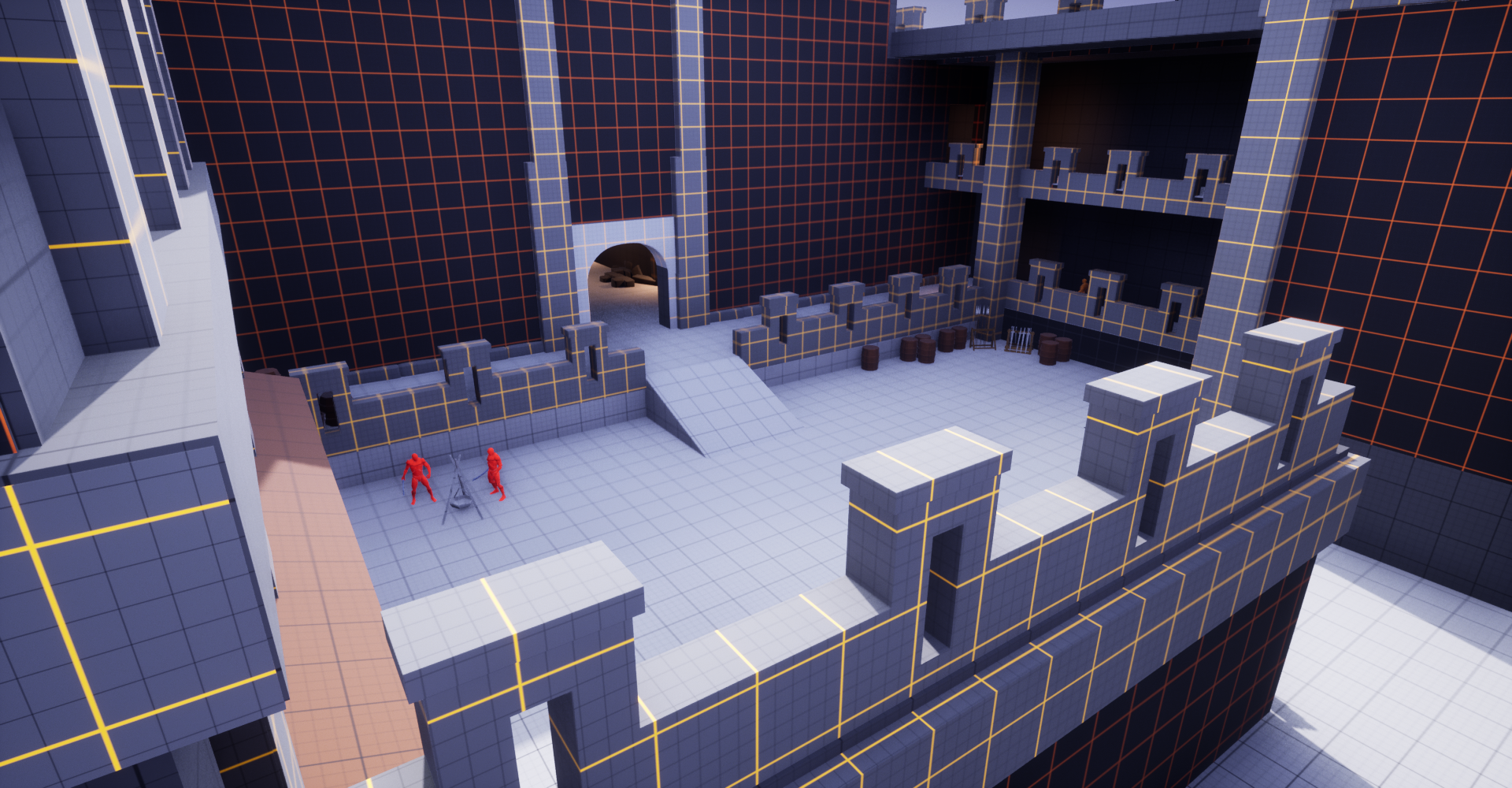
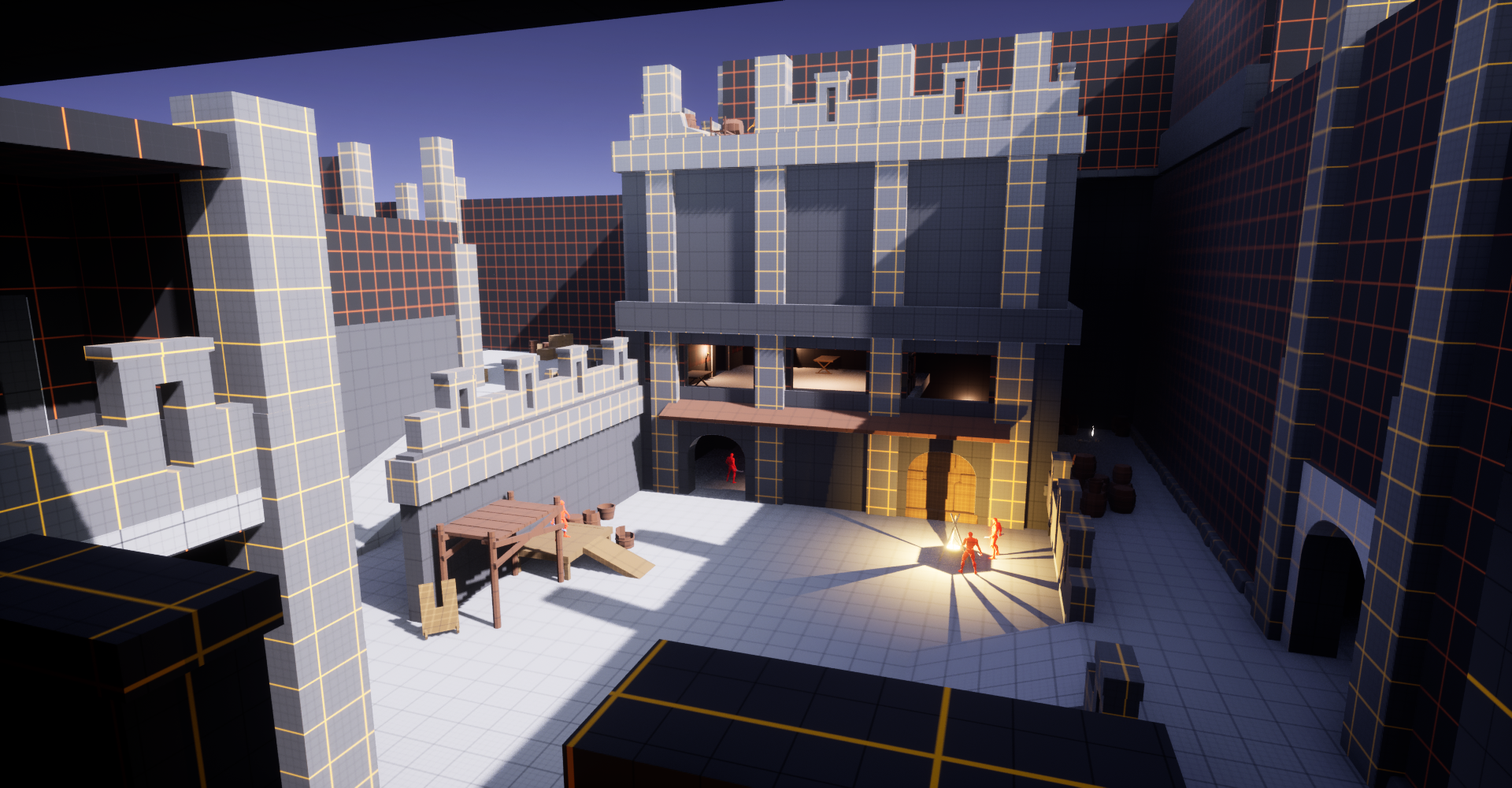
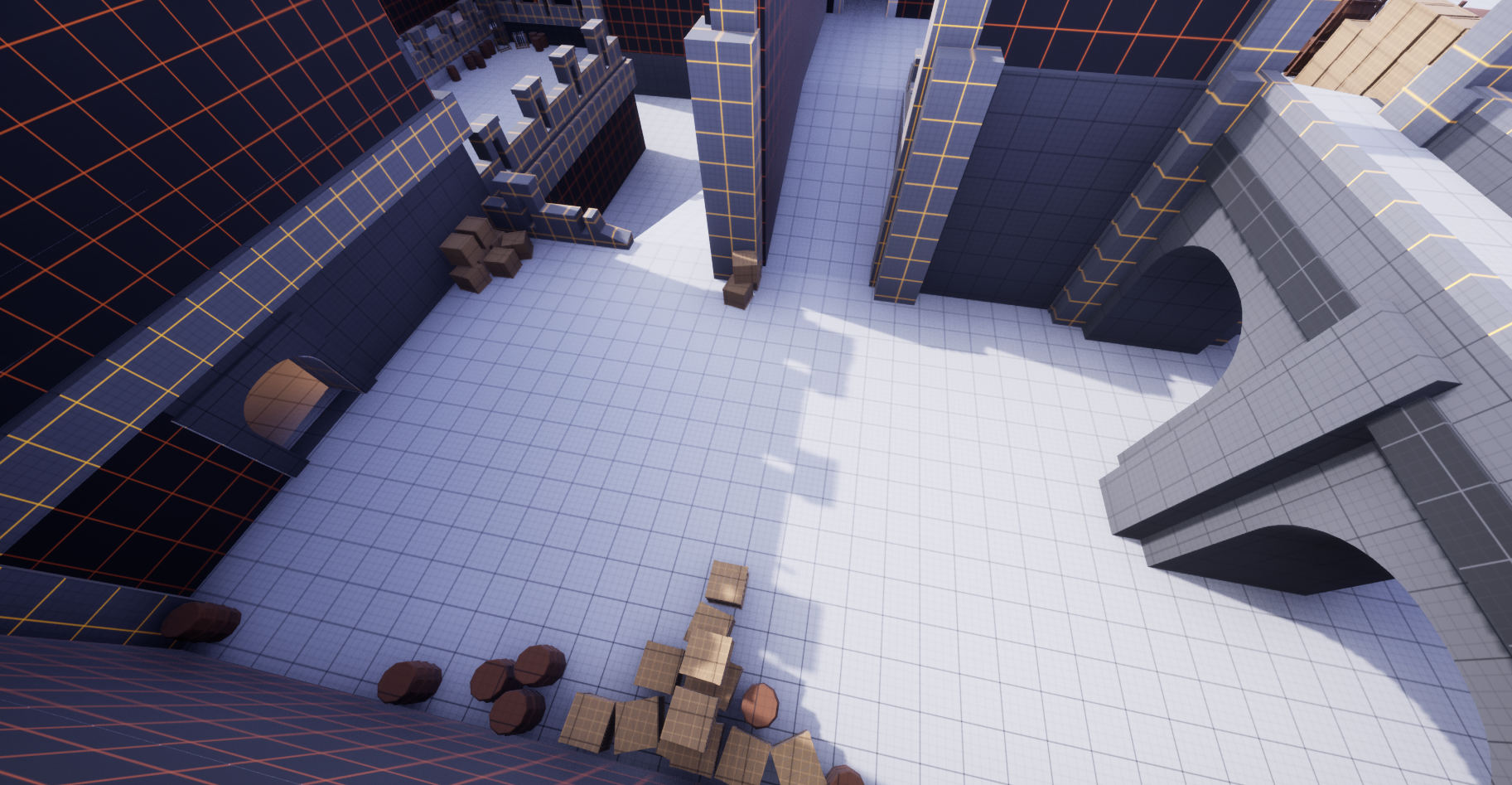
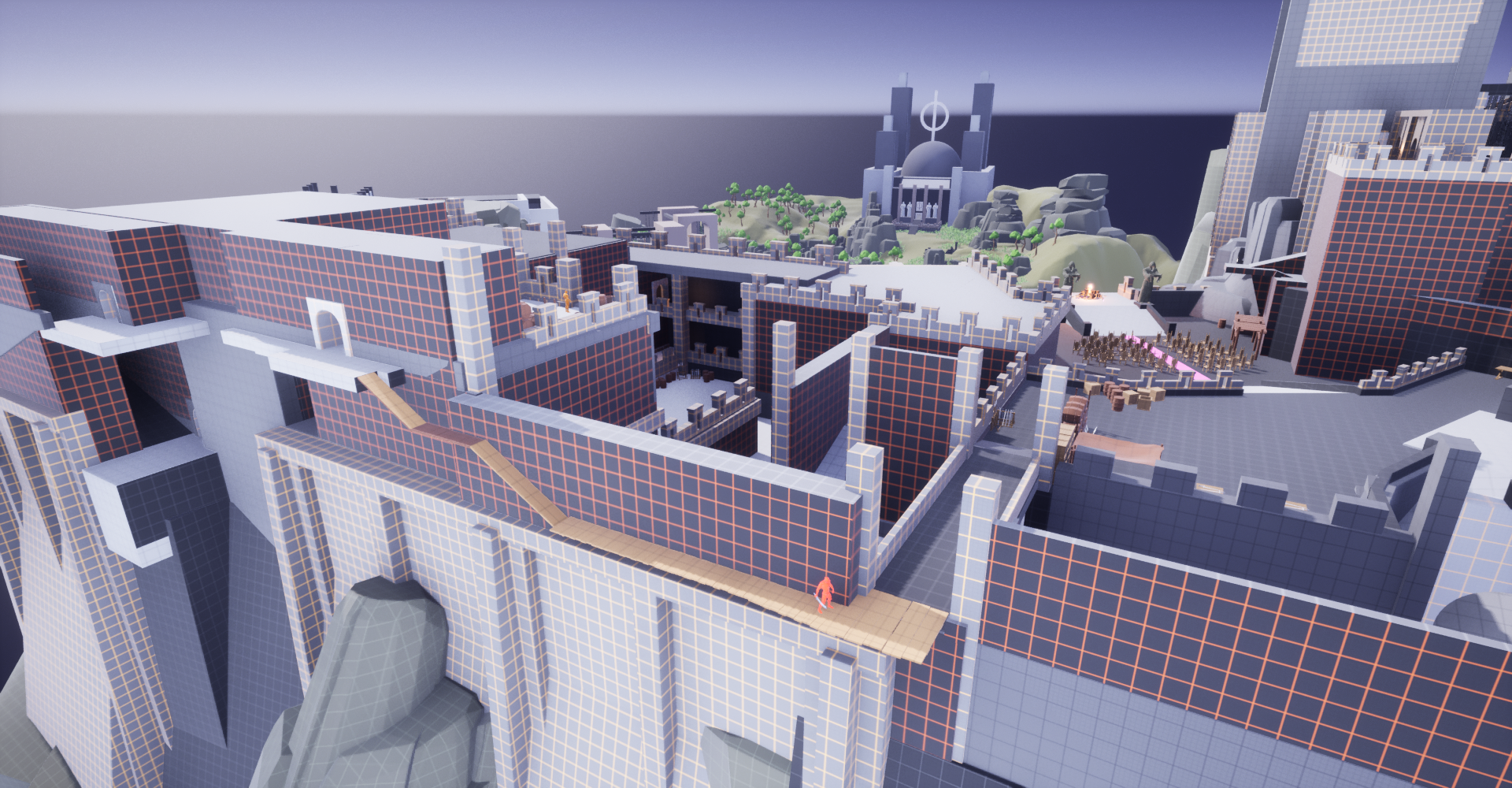
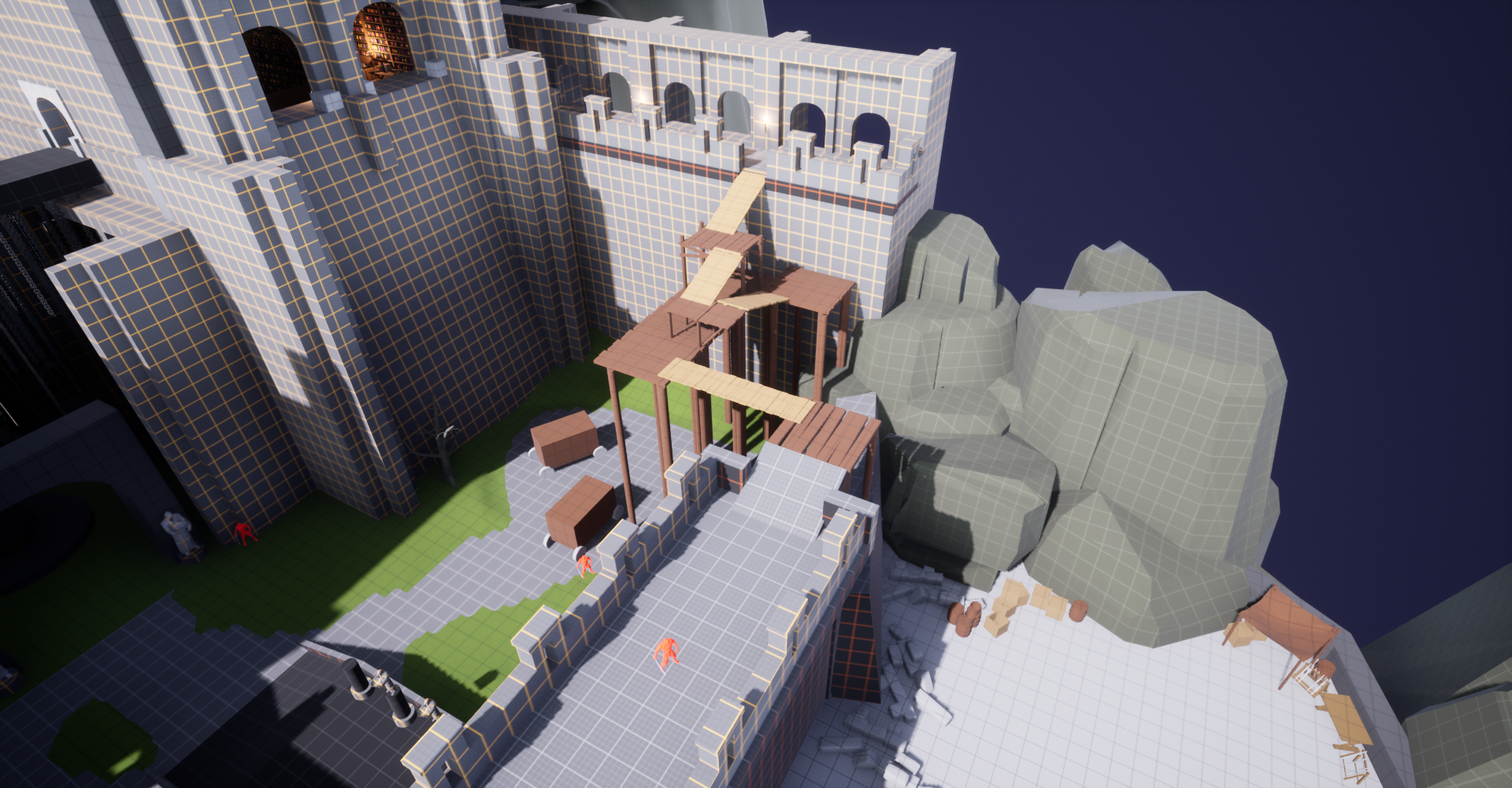
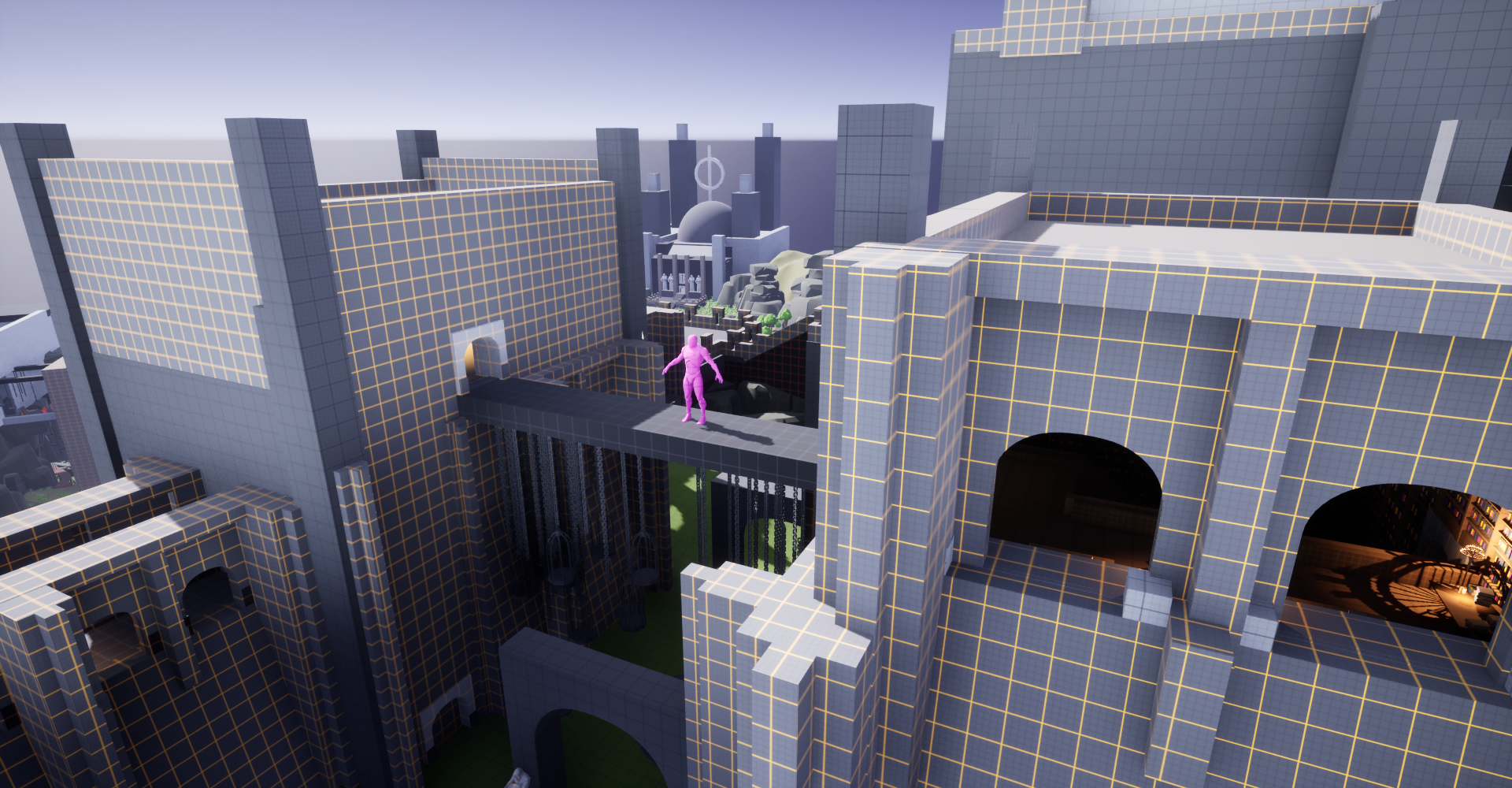
The first section of the level draws inspiration from Stormveil Castle, focusing on layered exploration, verticality, and player agency. From the very beginning, the player is presented with multiple paths, locked shortcuts, and visible objectives that encourage curiosity instead of forcing a single linear route.
The intention was to recreate the feeling of gradually mastering a hostile environment, where every newly unlocked shortcut changes the player's relationship with the space and transforms previously dangerous areas into familiar territory
Multiple Entrances
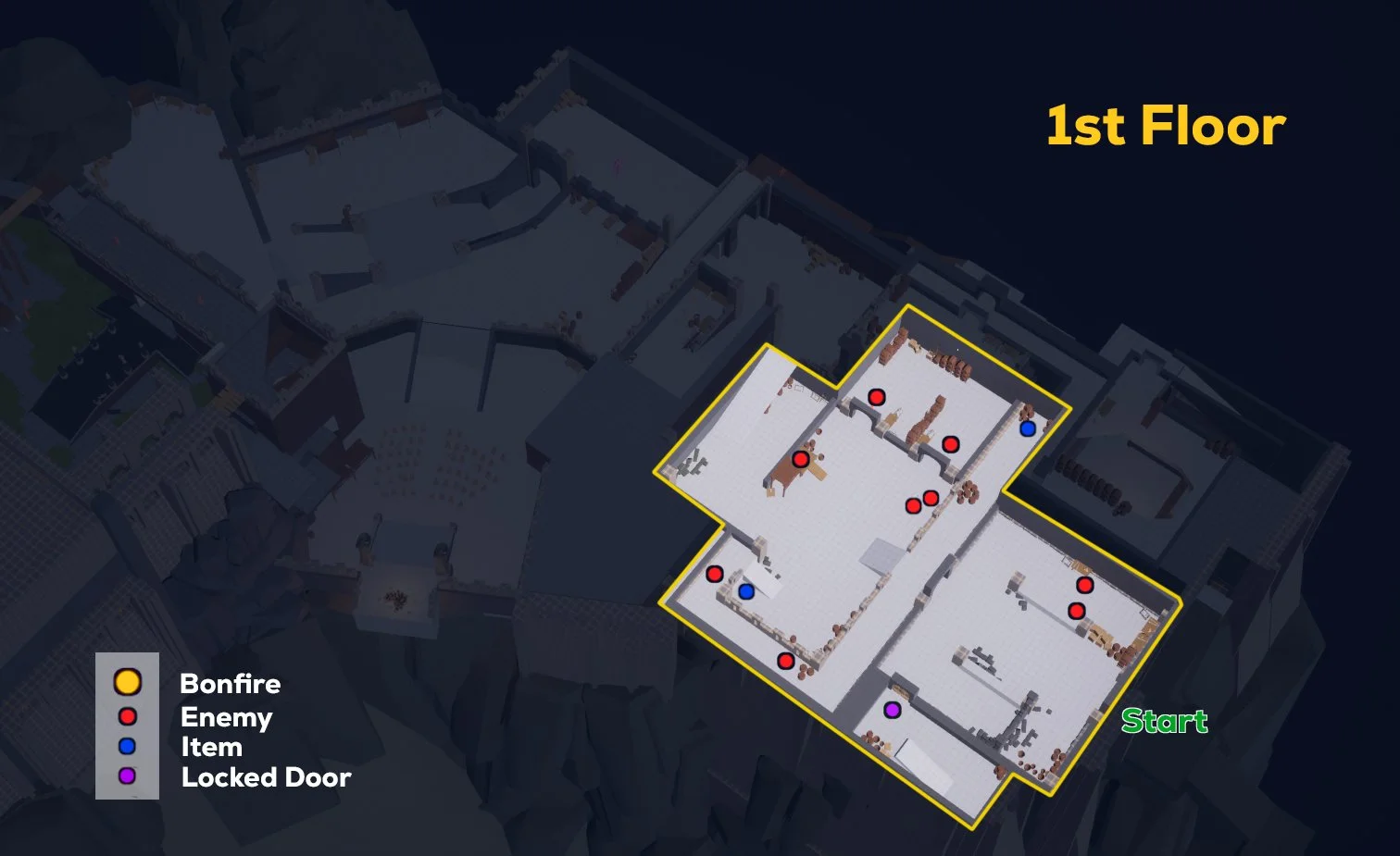
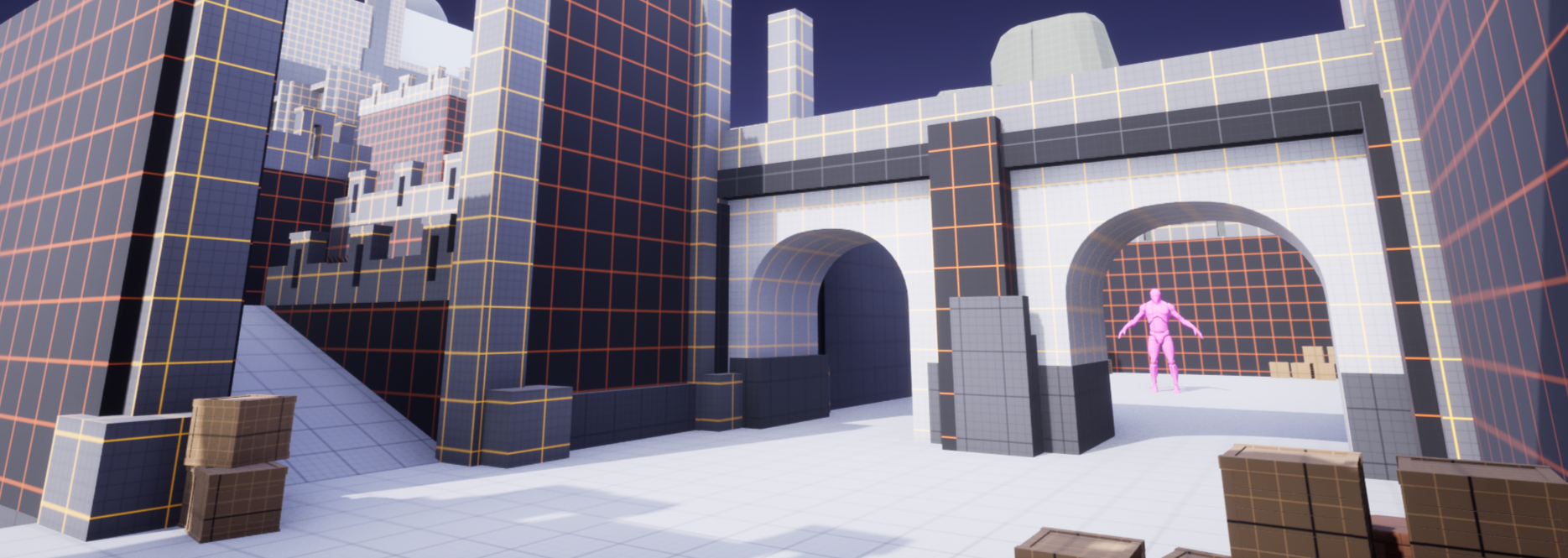
The level opens by presenting two distinct entrances: an open doorway leading to the main progression path and a locked gate that will later become an important shortcut. Although inaccessible at first, the locked entrance immediately communicates that the environment is interconnected, encouraging players to remember previously visited locations and anticipate future discoveries.
Encouraging Player Choice
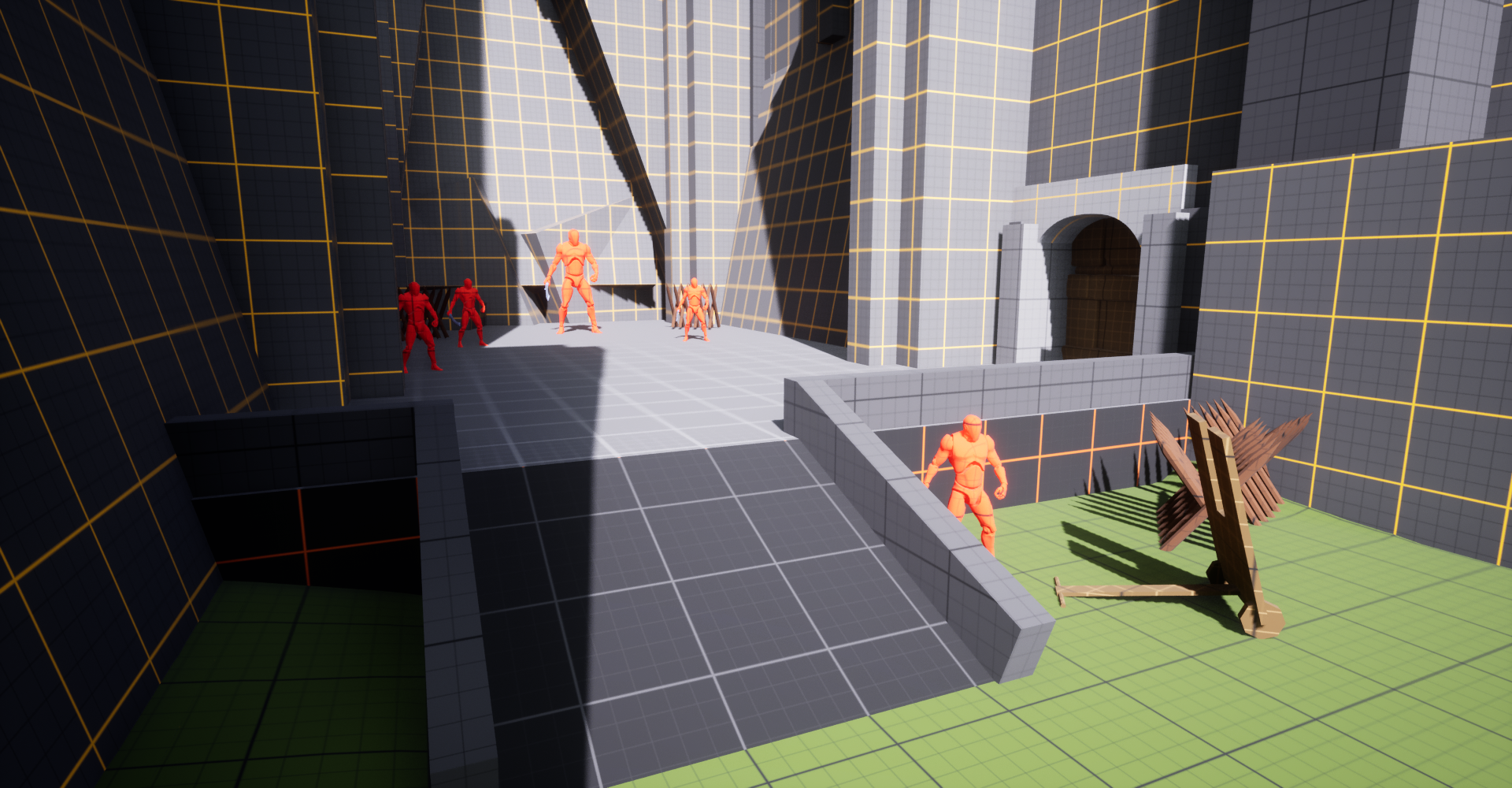
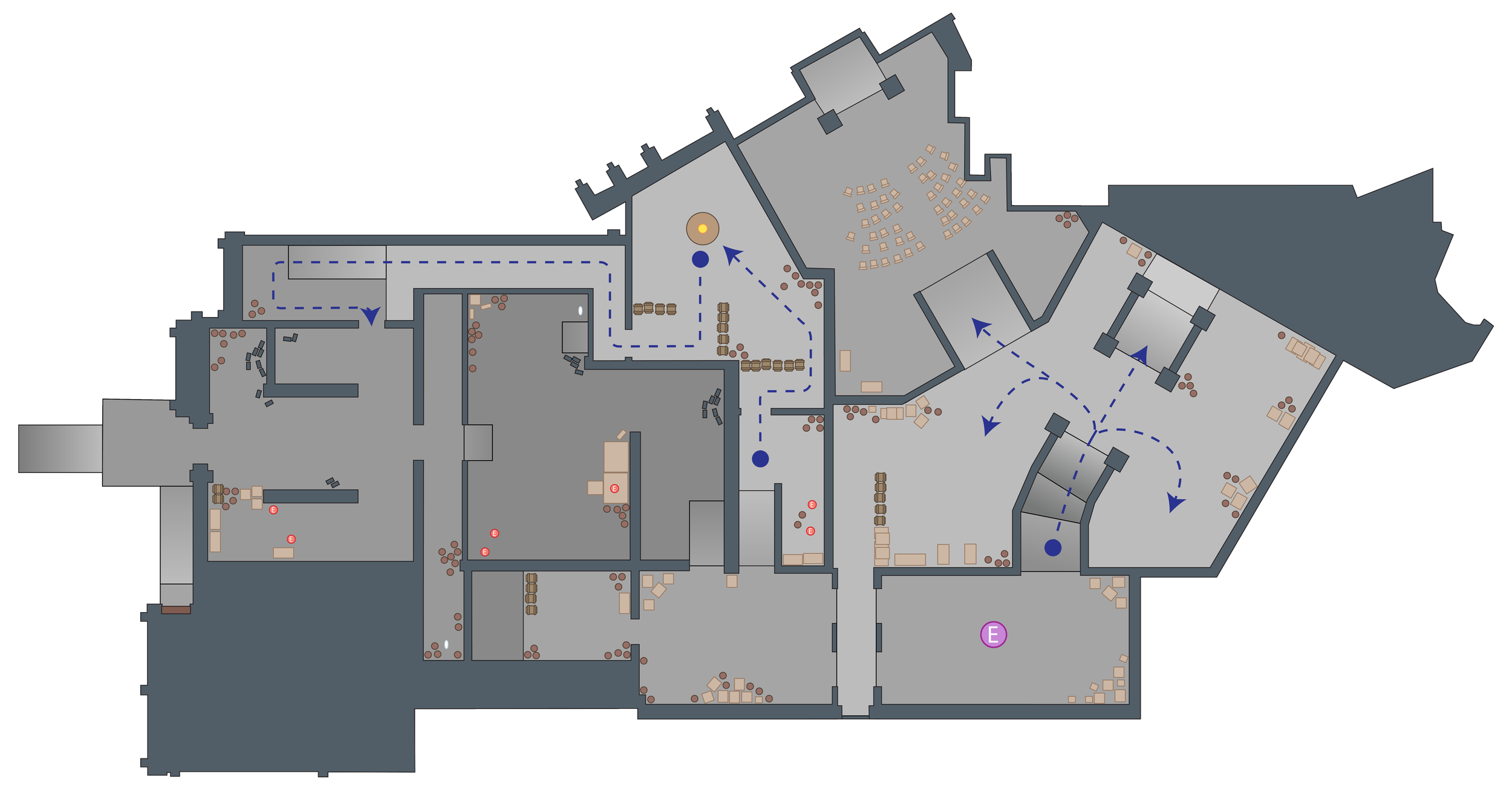
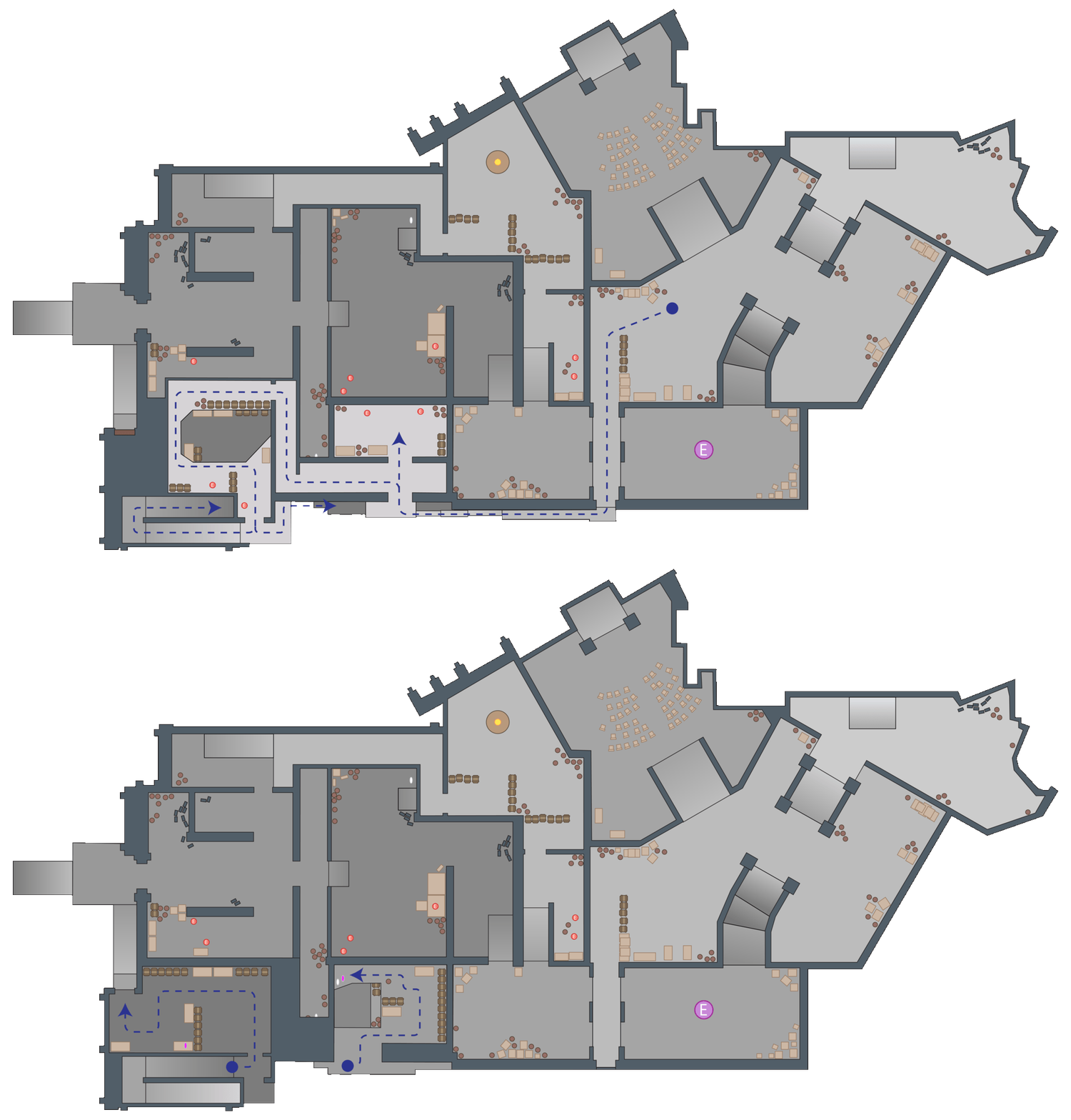
After entering the Military City, the player reaches multiple routes. Rather than forcing a single direction, the layout encourages exploration and decision-making while maintaining clear navigation through environmental composition and visual cues. This opening section establishes the level's emphasis on player agency from the very beginning.
Risk and Reward
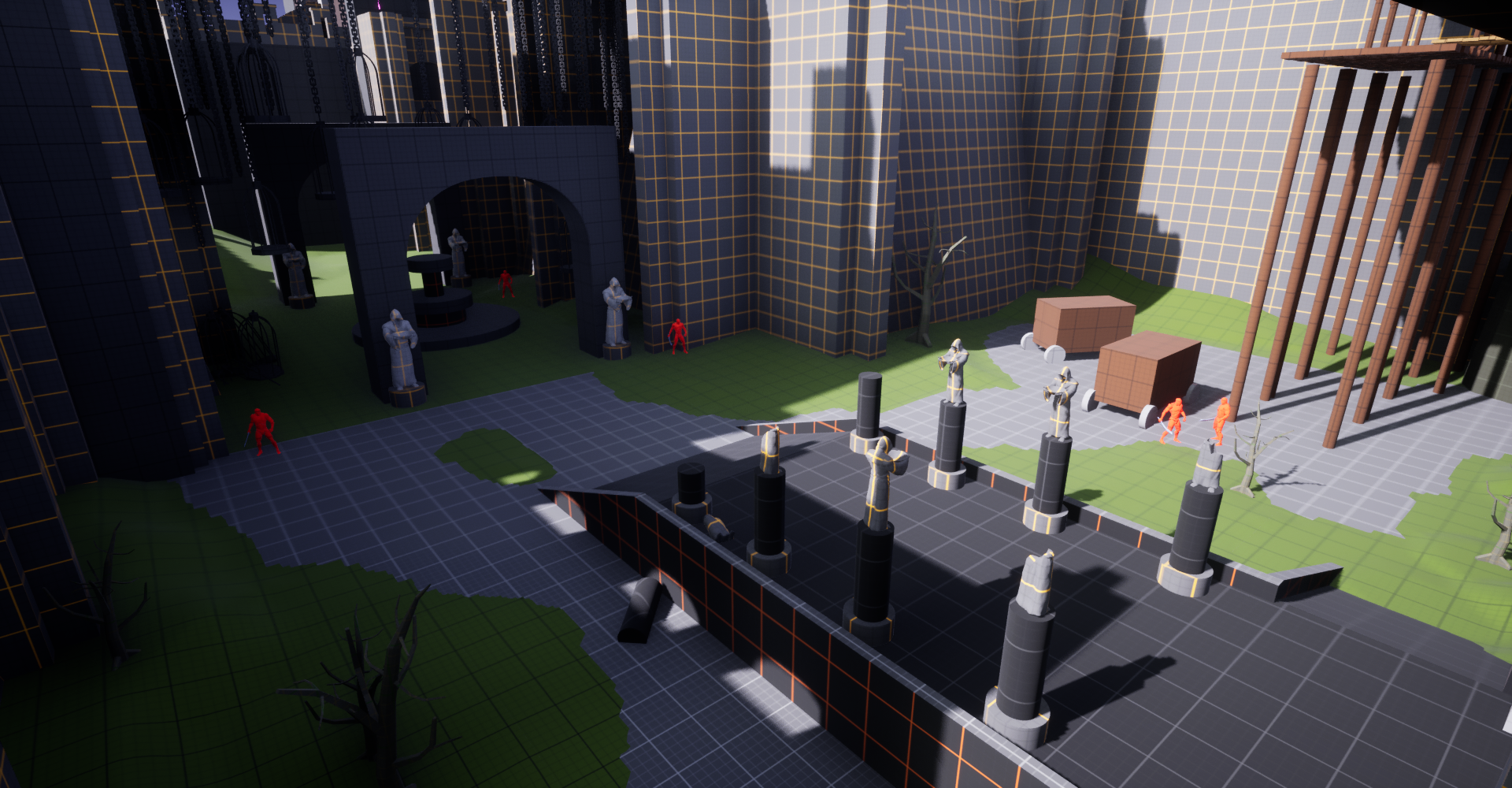
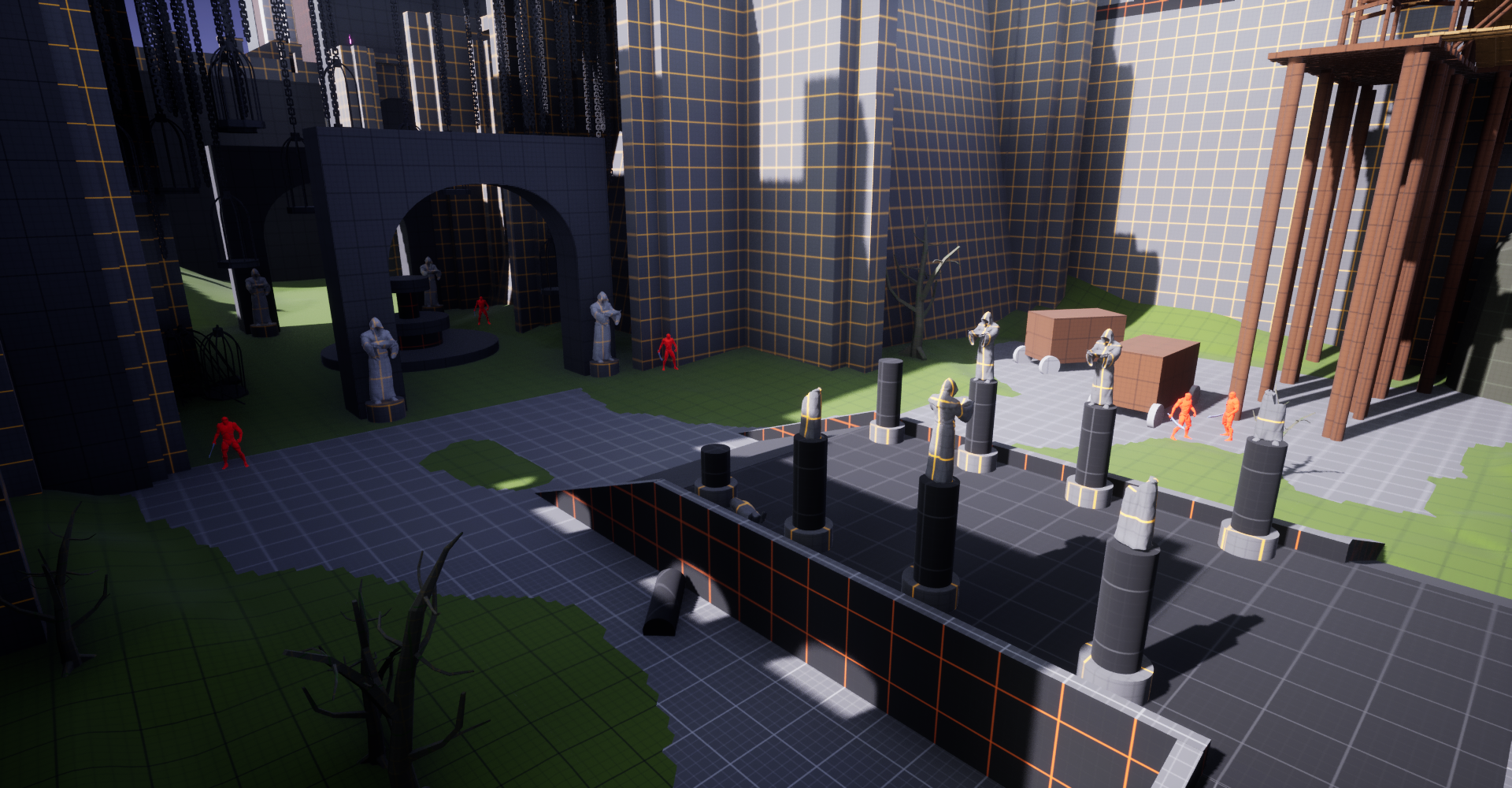
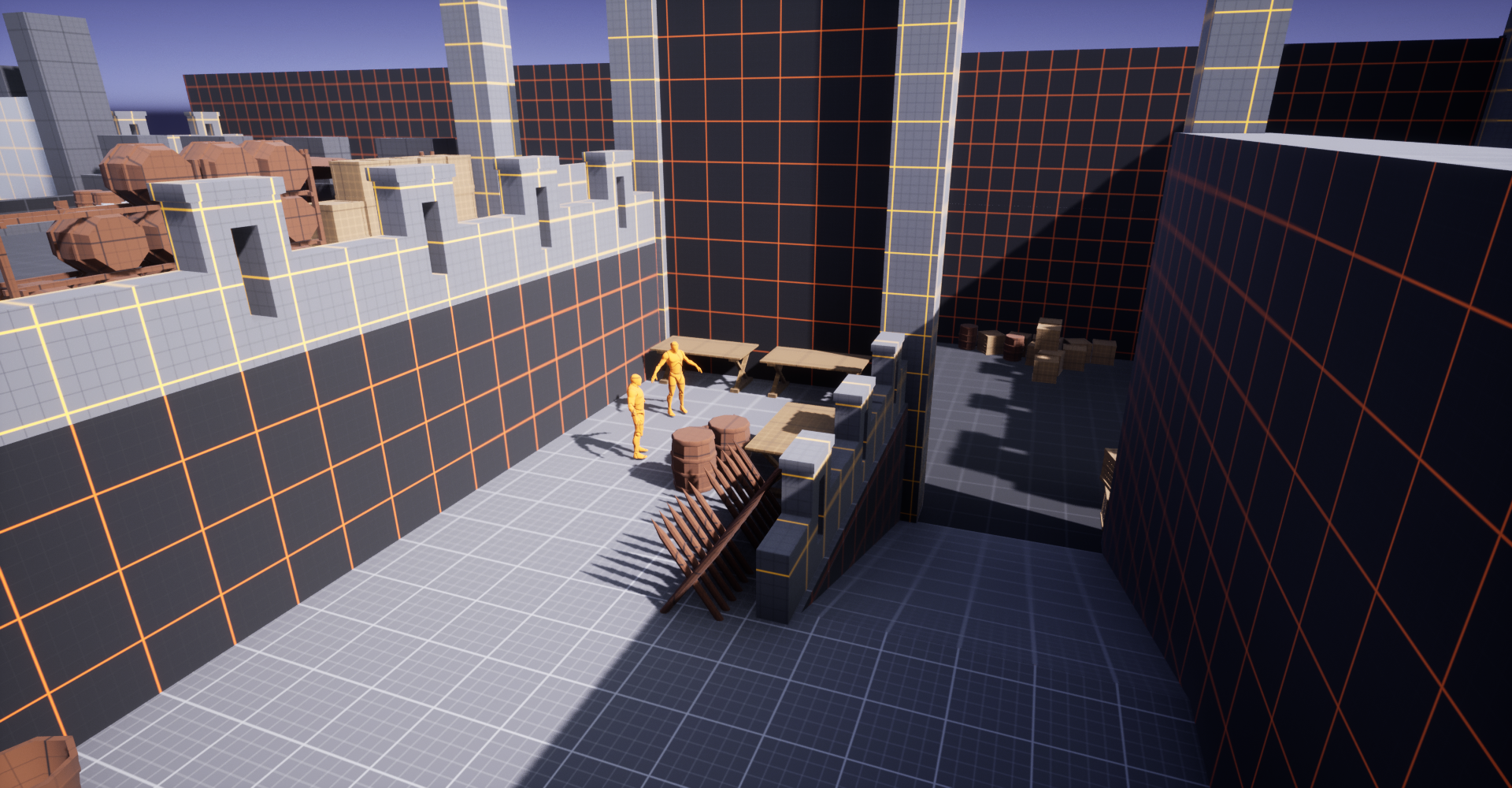
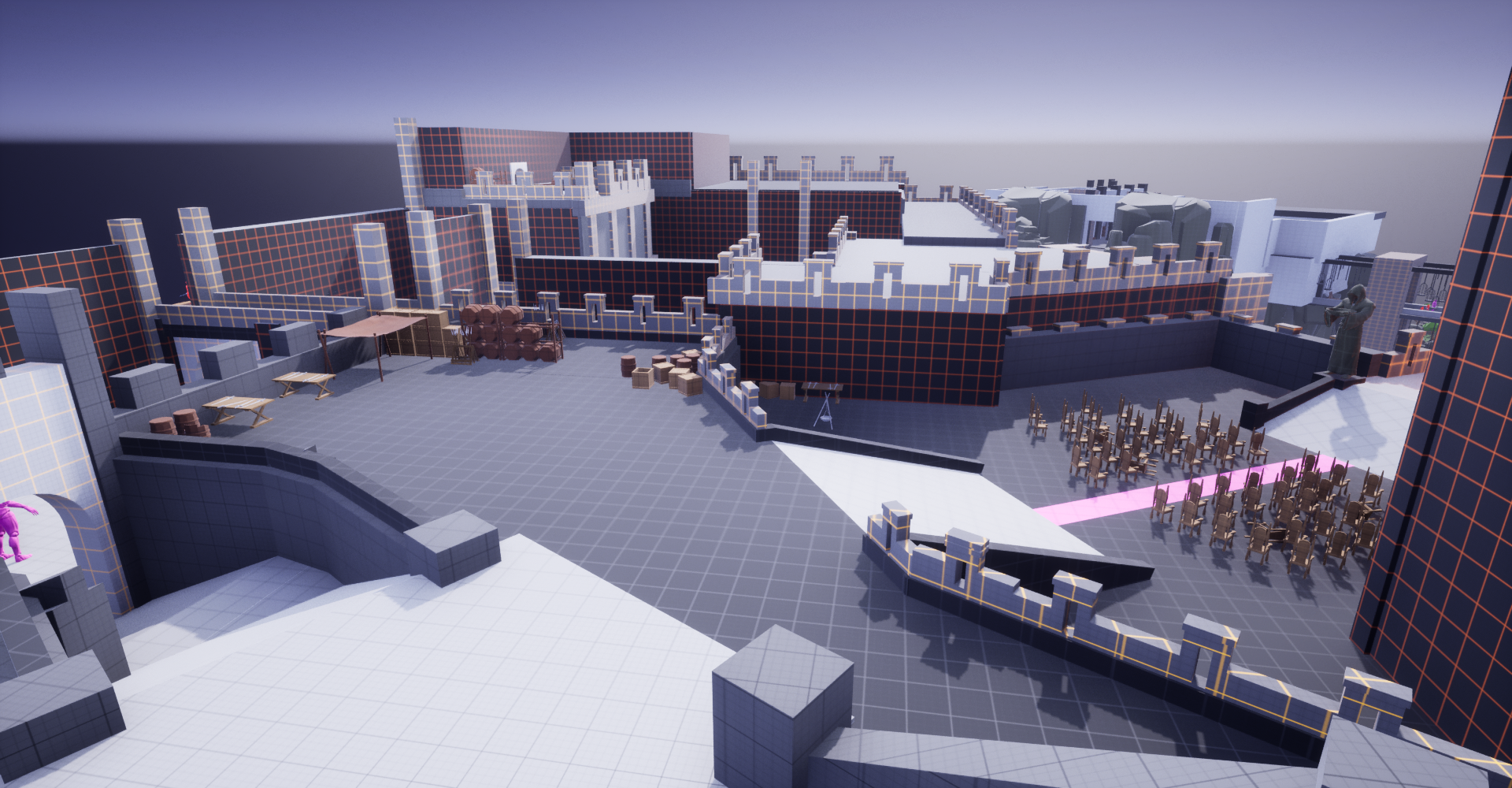
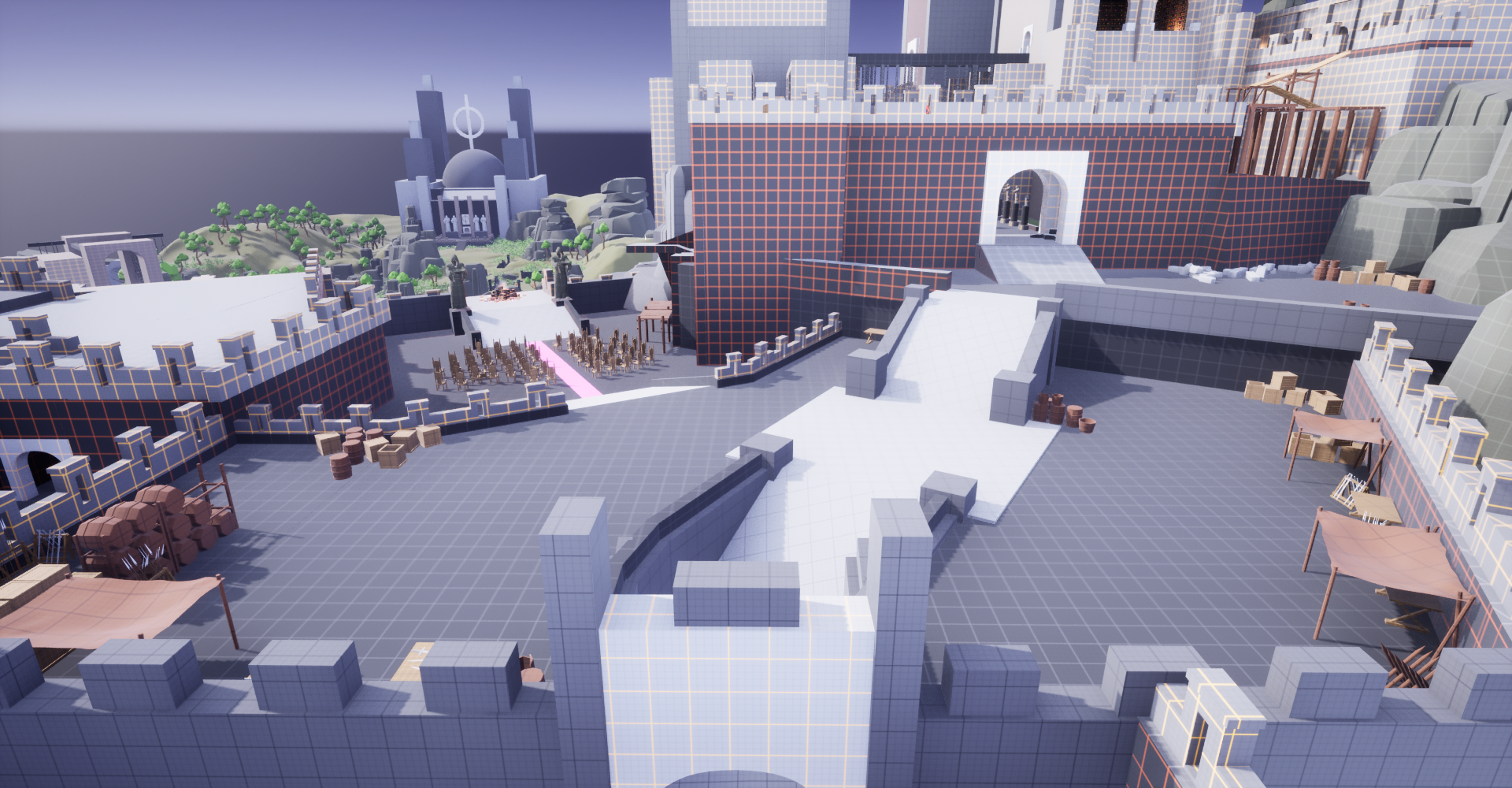
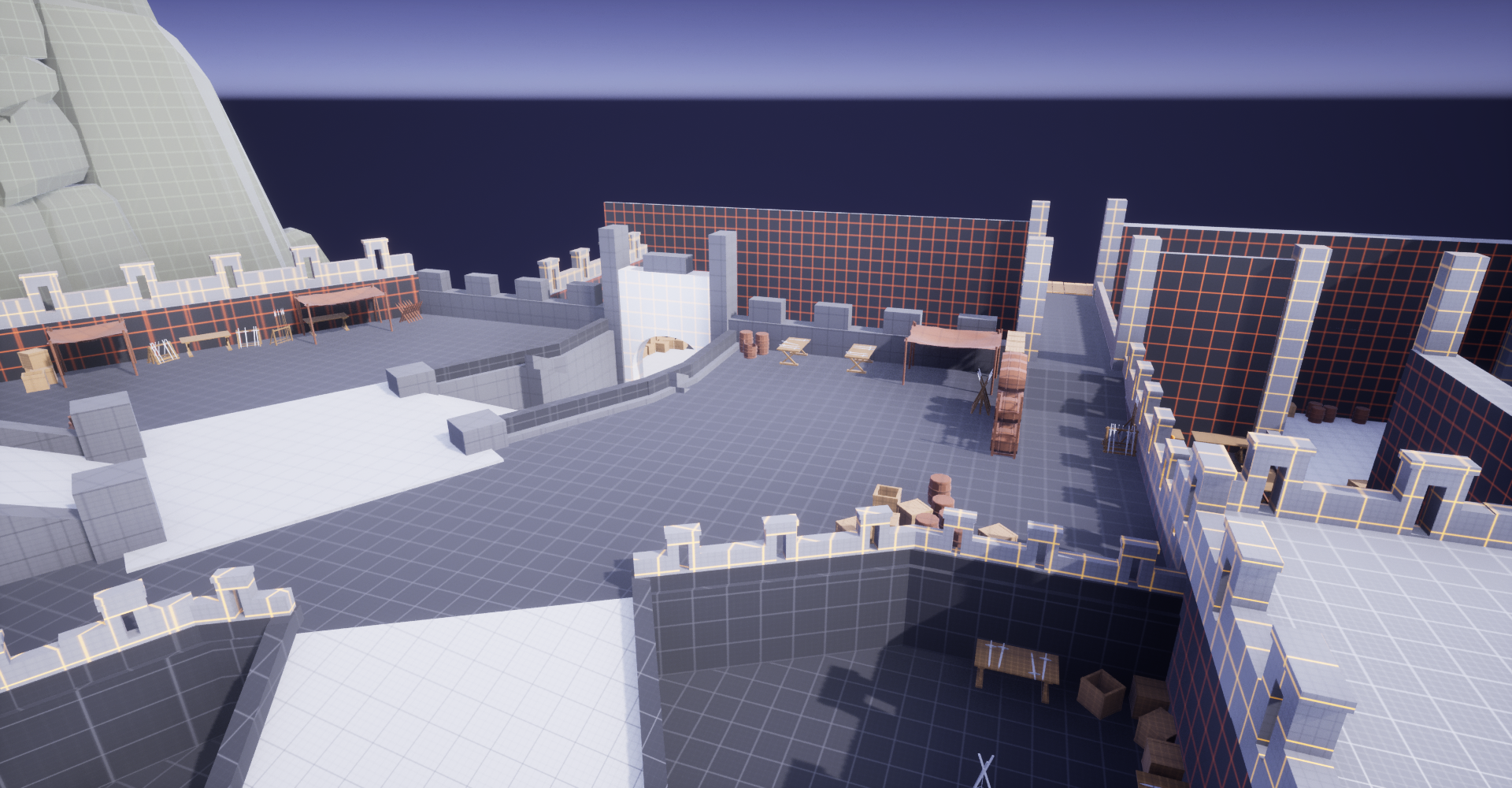
The player enters the courtyard, where combat becomes unavoidable, and the dungeon begins to reveal its scale. Multiple routes, items, and optional areas reward players who choose to explore beyond the main path. This establishes the core pacing of the Military City, balancing challenge, exploration, and discovery while introducing the layered structure that defines the rest of the level.

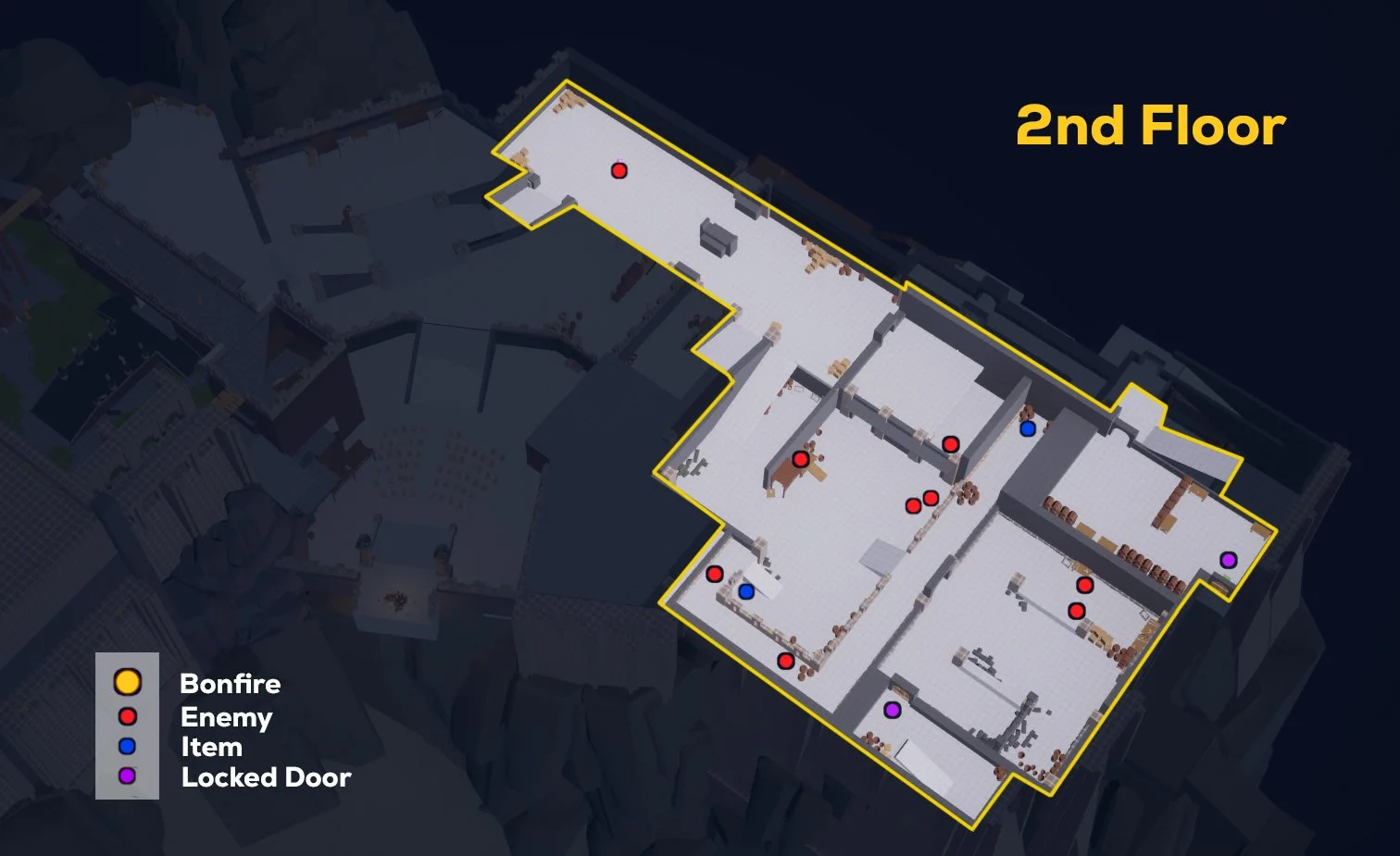
Meaningful Choices and Player Pacing
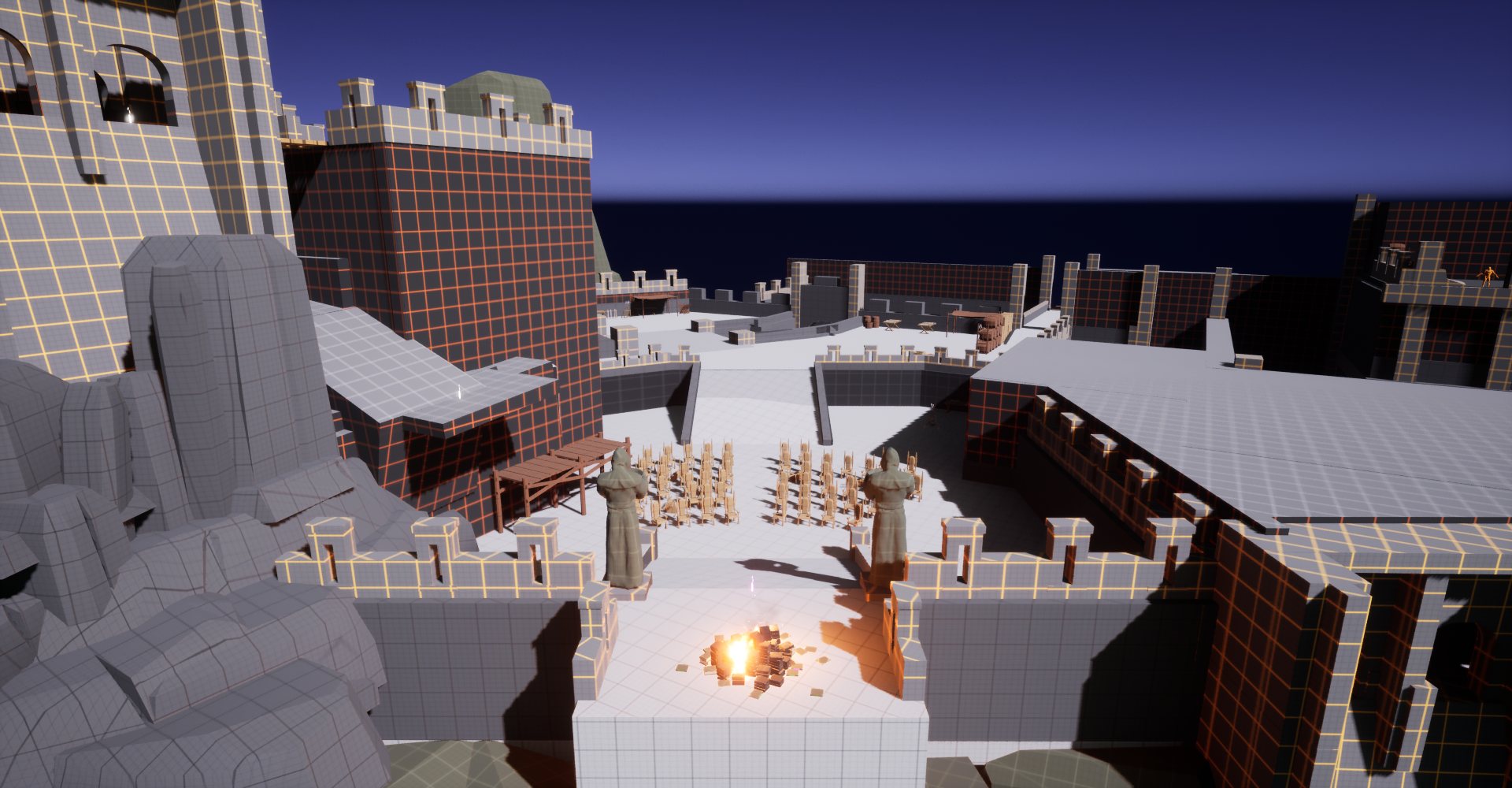
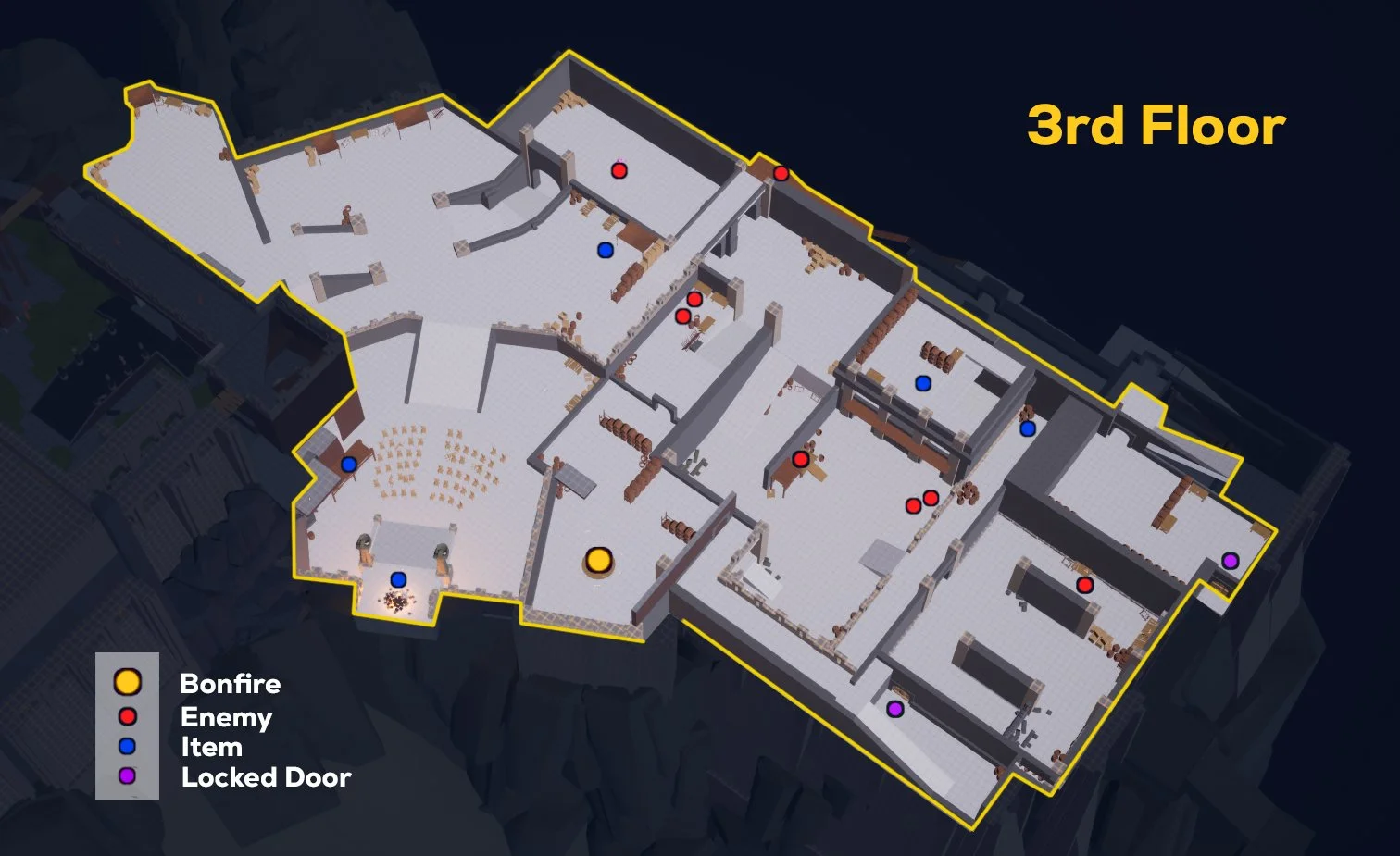
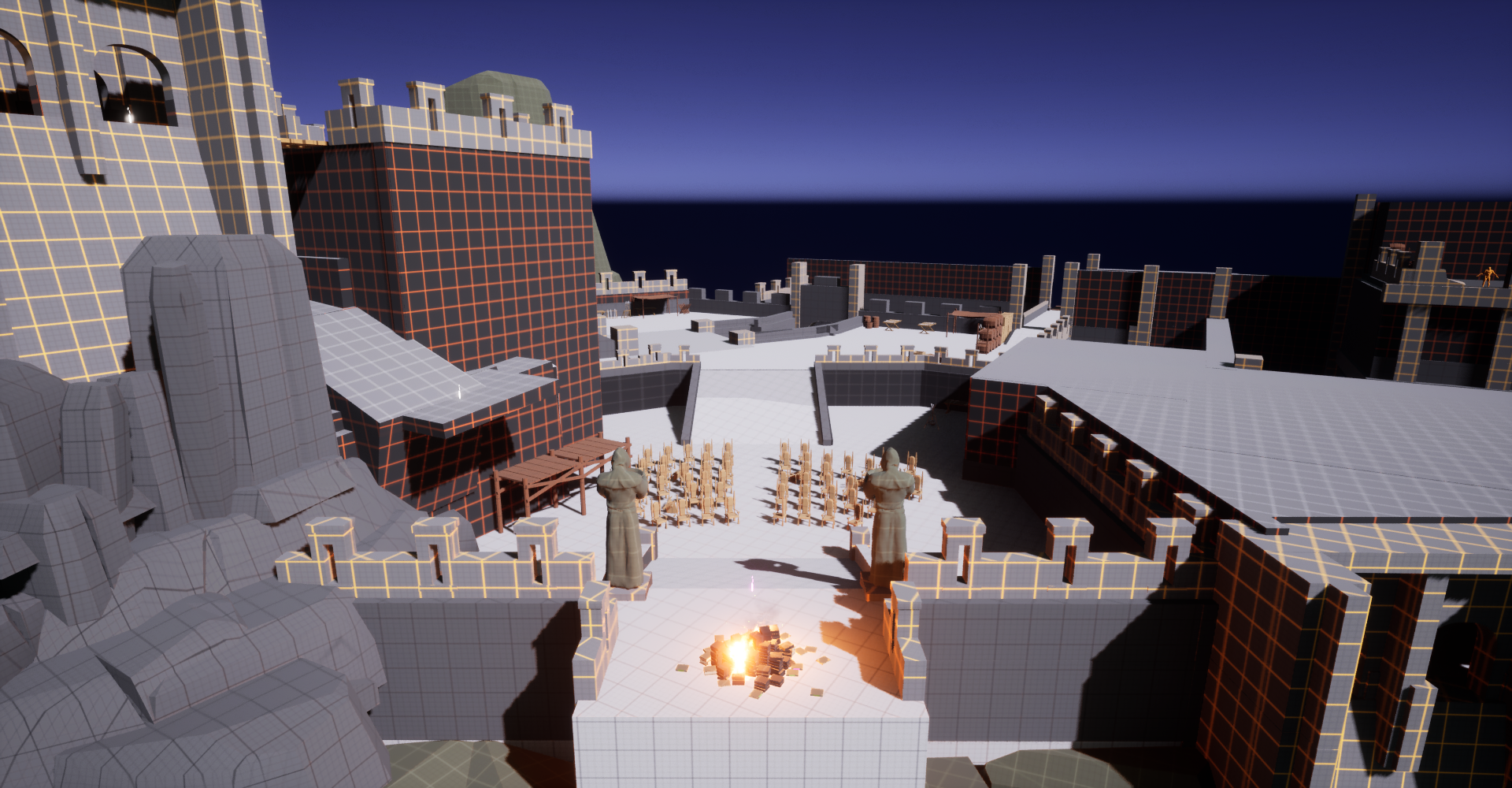
As the player progresses, the level begins to offer more meaningful choices. One path leads directly toward a visible elite enemy, clearly communicating a difficult challenge ahead. Another route rewards exploration with a bonfire, offering both a moment of safety and a stunning view of the Military City before the player decides to continue. By presenting multiple options instead of a single obvious path, the level encourages players to evaluate risk, prepare for upcoming encounters, and approach progression at their own pace—a core principle behind the exploration and pacing of Souls-like level design.
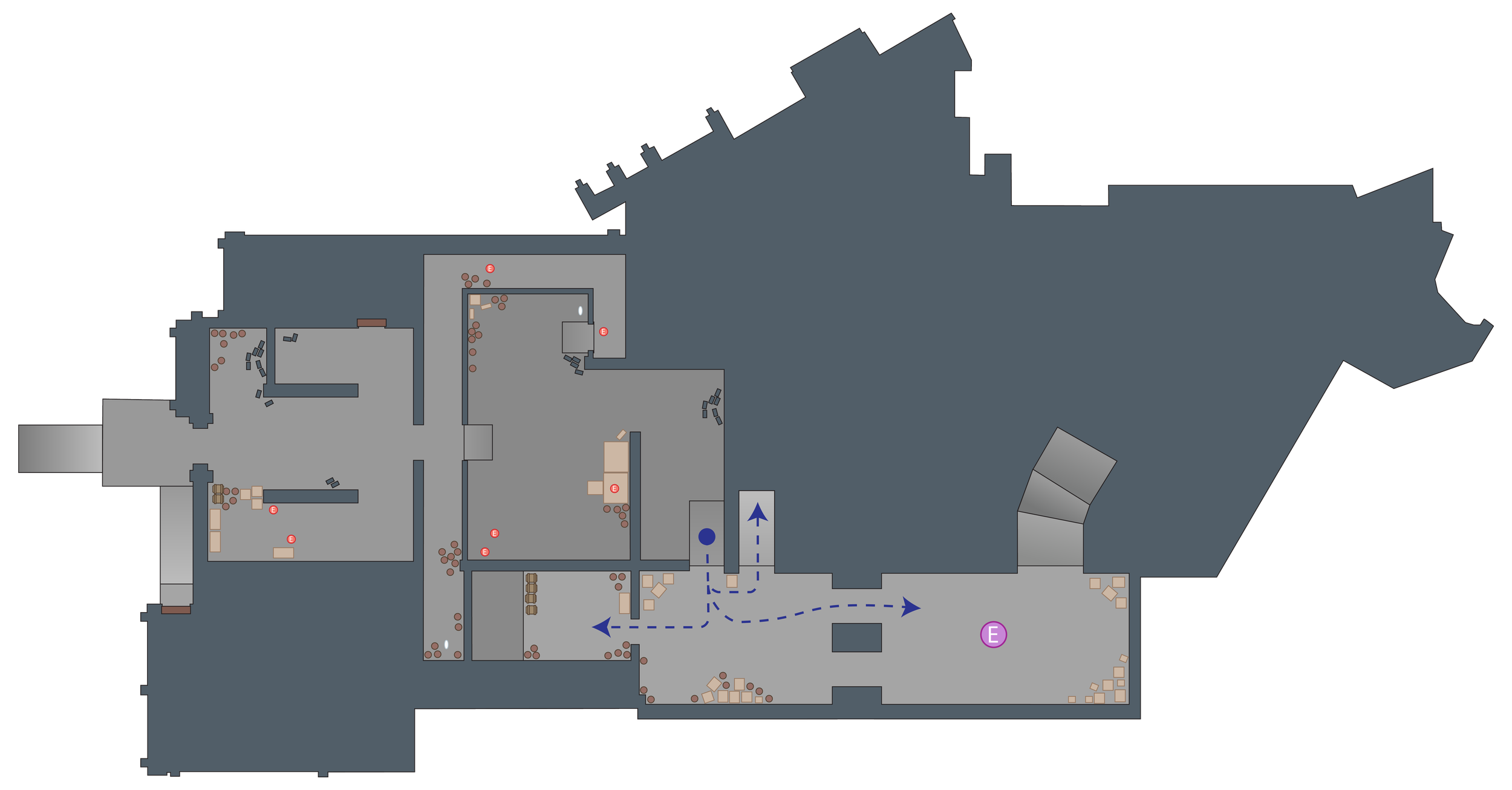
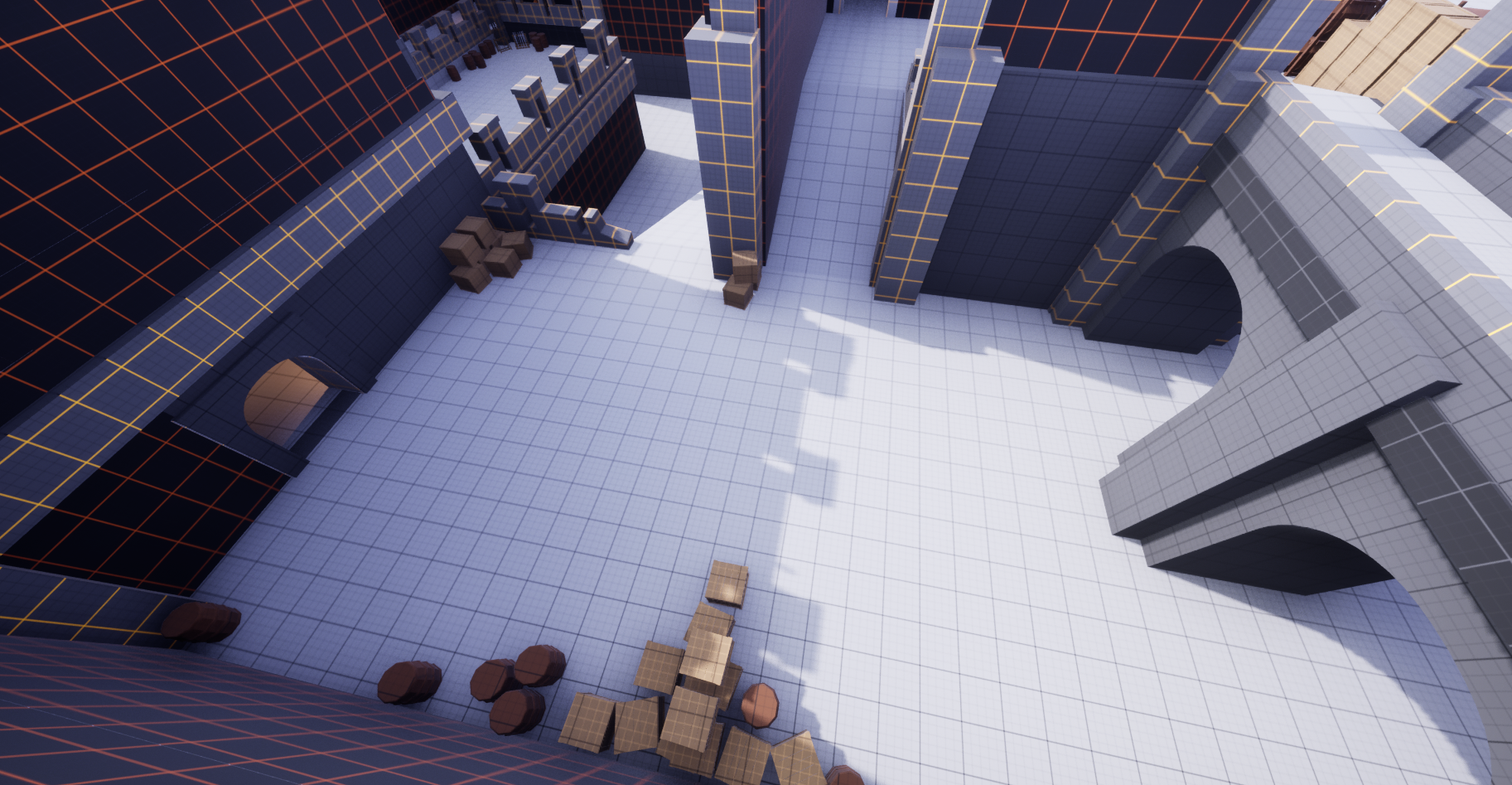
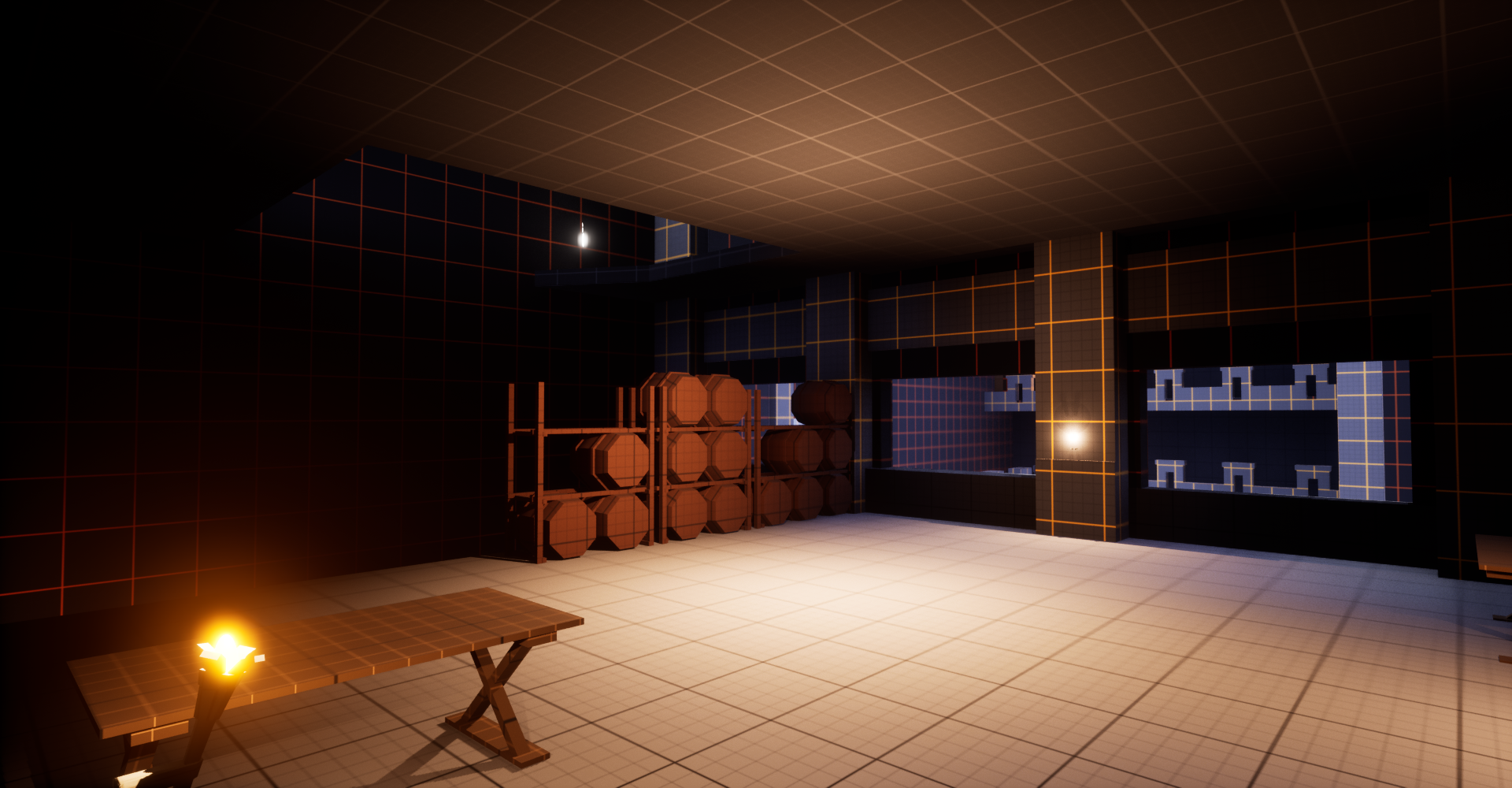
Environmental Storytelling and Exploration
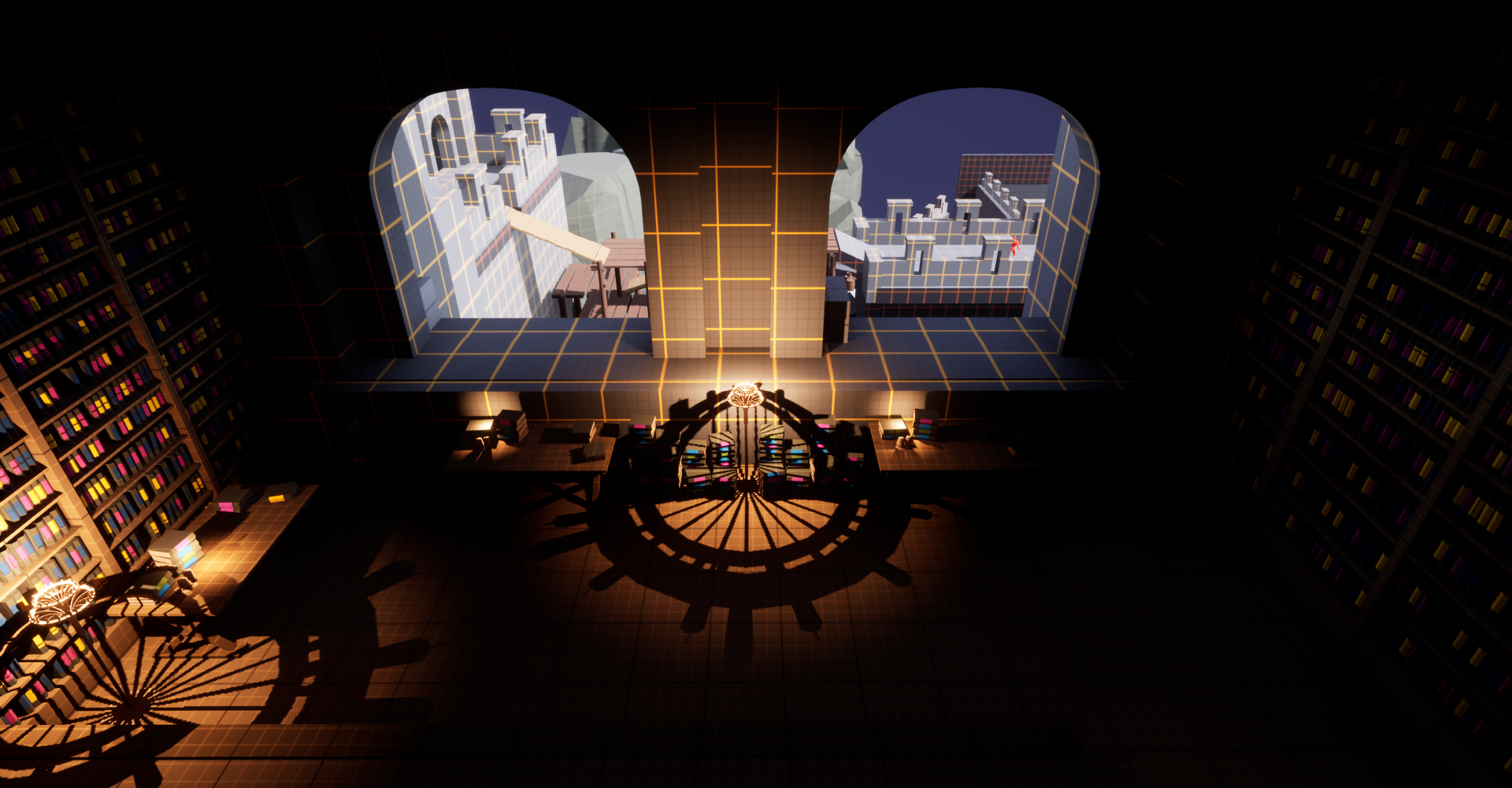
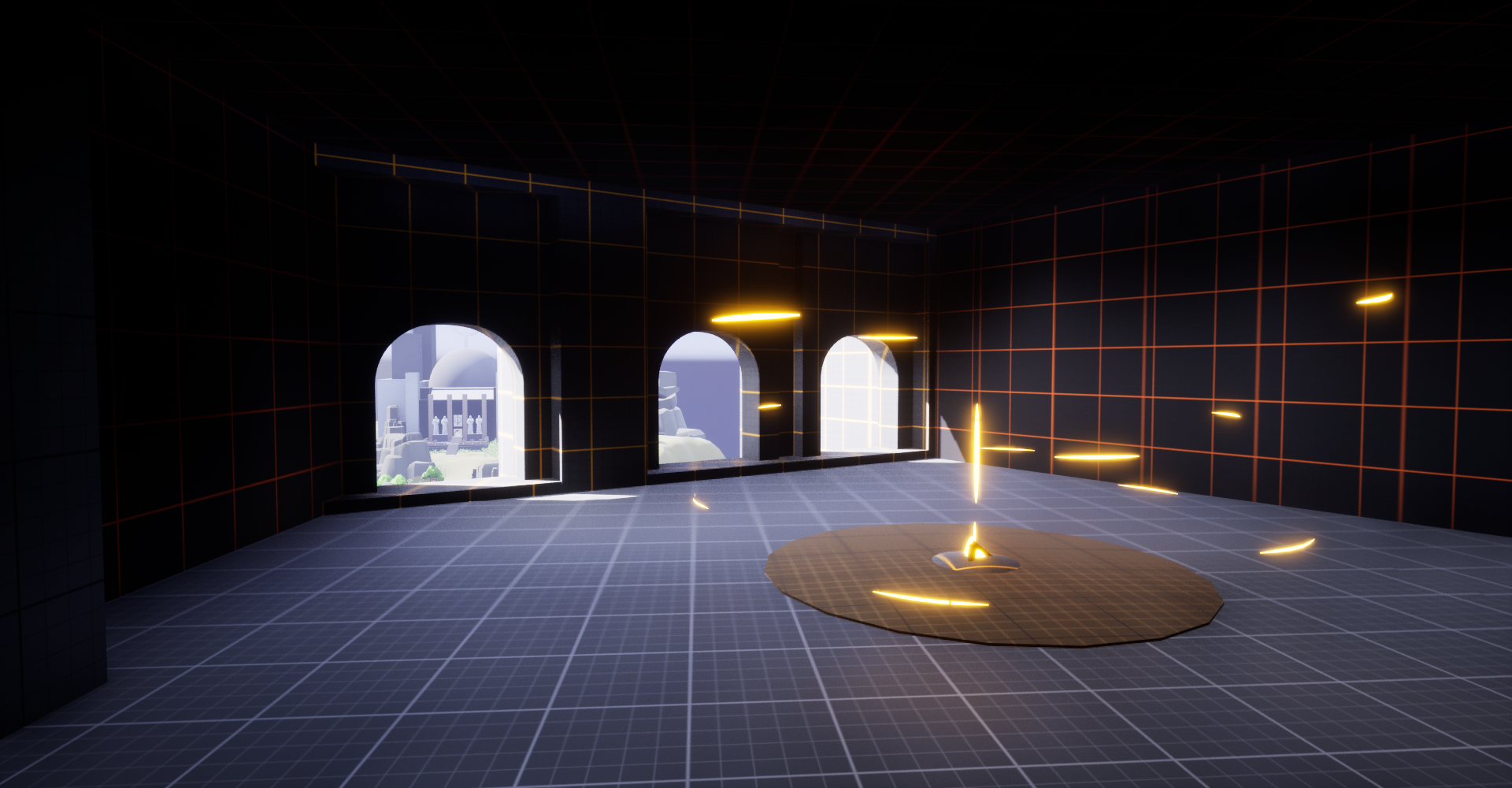
After overcoming the elite encounter, the pace slows down, giving players a chance to absorb the environment before reaching the next major area. A burning pile of books, framed by a distant view of the church from the beginning of the level, creates a quiet storytelling moment that contrasts with the combat-heavy sections that came before.
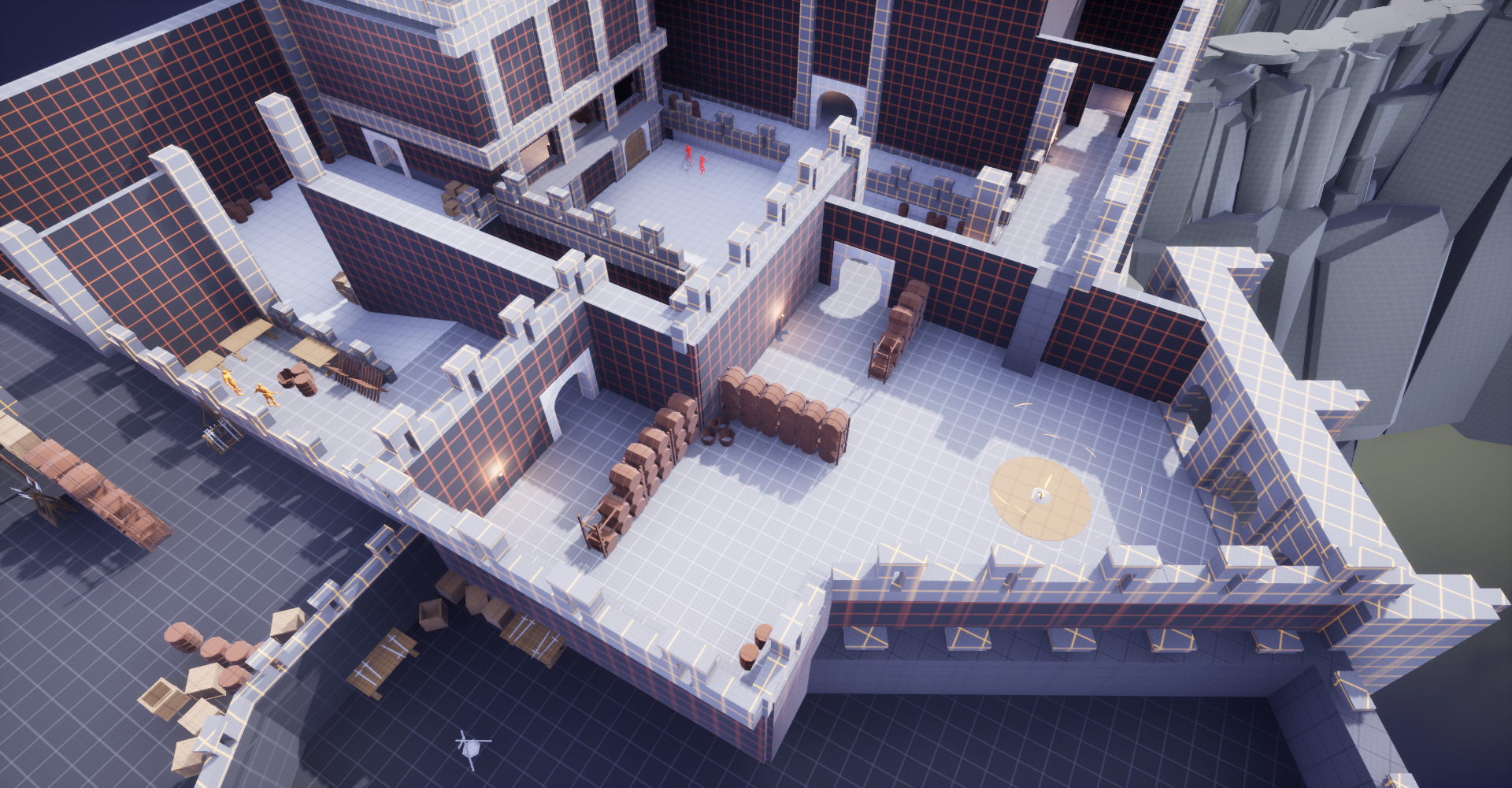
Players who continue exploring beyond the critical path are rewarded with additional rooms, hidden items, and optional encounters. This route eventually loops back to the beginning of the dungeon by unlocking the first major shortcut, reinforcing the interconnected nature of the Military City and rewarding players who choose curiosity over the shortest path.
Rewarding Exploration
FromSoftware's Legacy Dungeons are built around the idea that curiosity should always be rewarded. Exploring beyond the critical path often reveals shortcuts, hidden encounters, valuable items, or environmental storytelling that deepen the player's understanding of the world. Rather than treating optional content as a bonus, these discoveries become an integral part of the experience, reinforcing exploration as one of the game's core mechanics. This philosophy guided the design of the level, where every optional path was intended to offer a meaningful reward—whether through progression, gameplay, or environmental discovery.
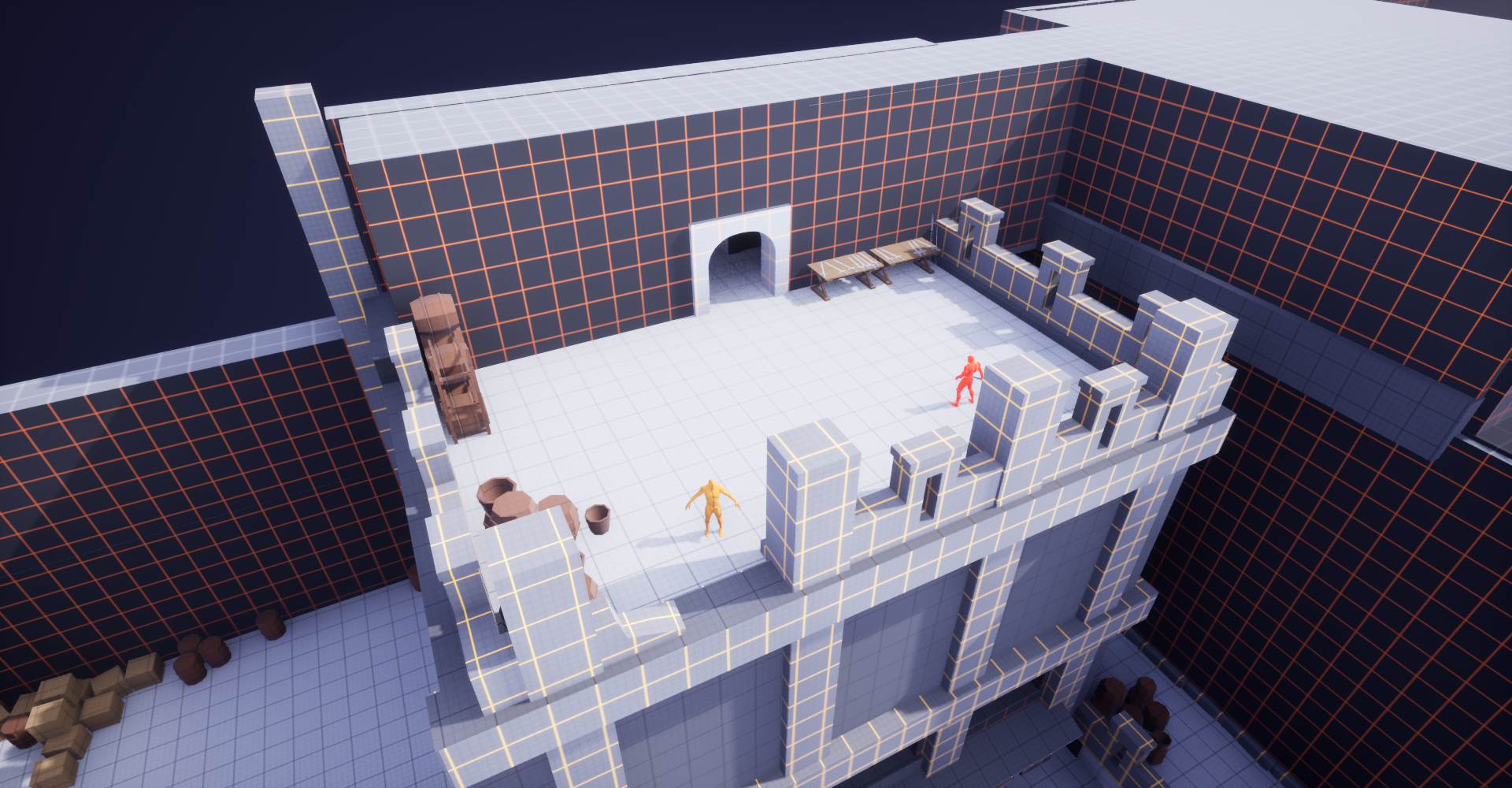
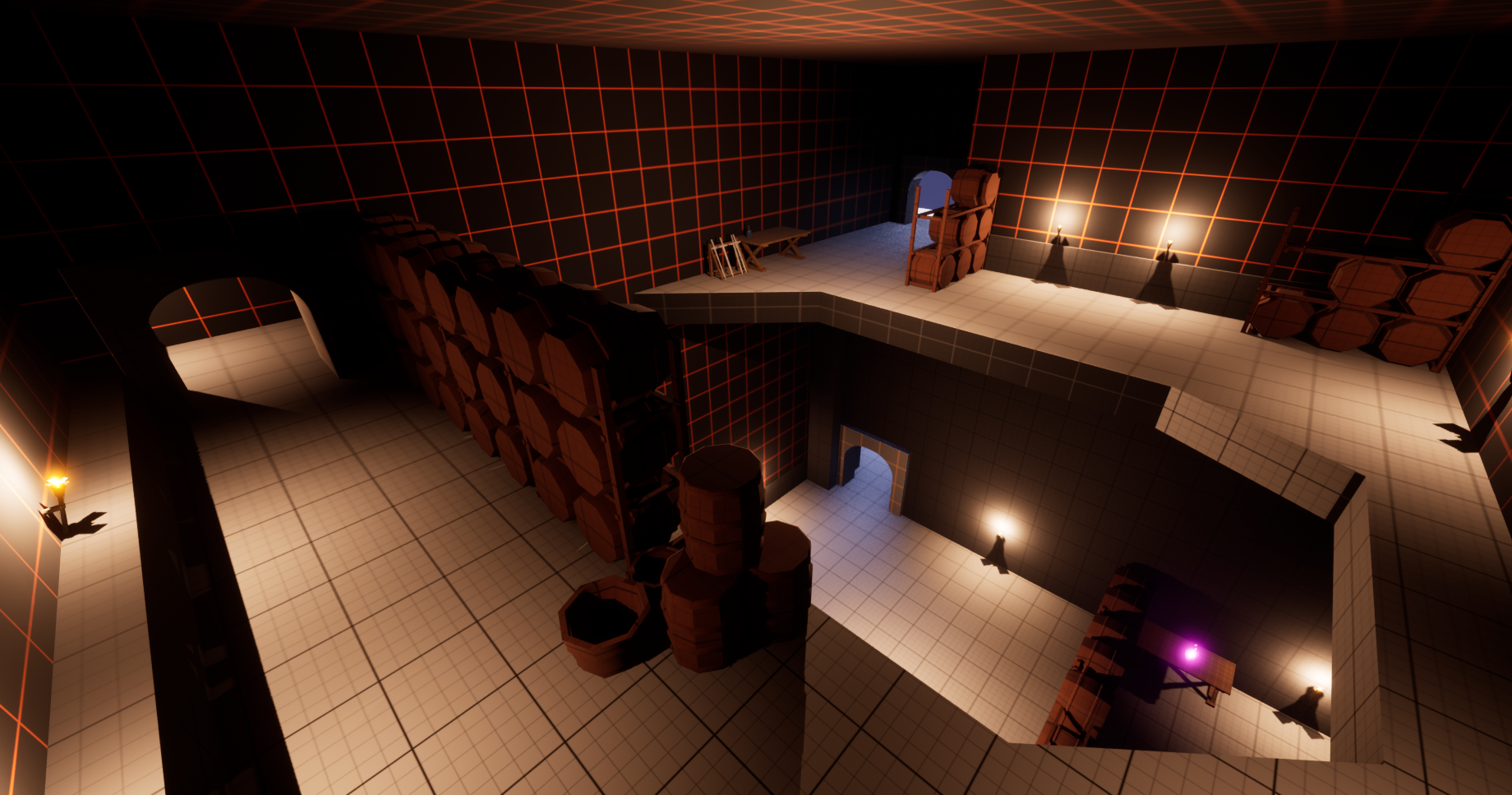
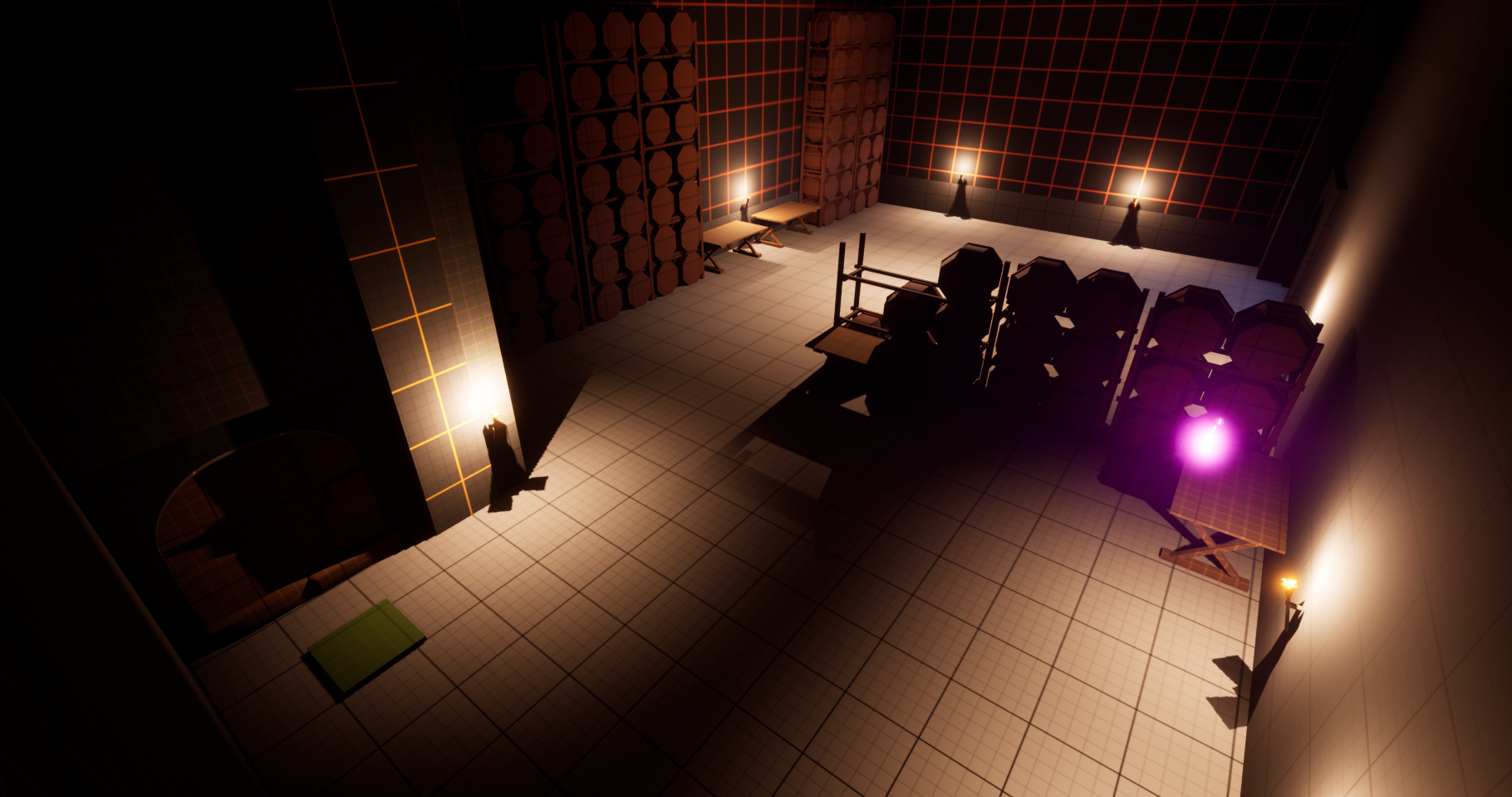
Library District
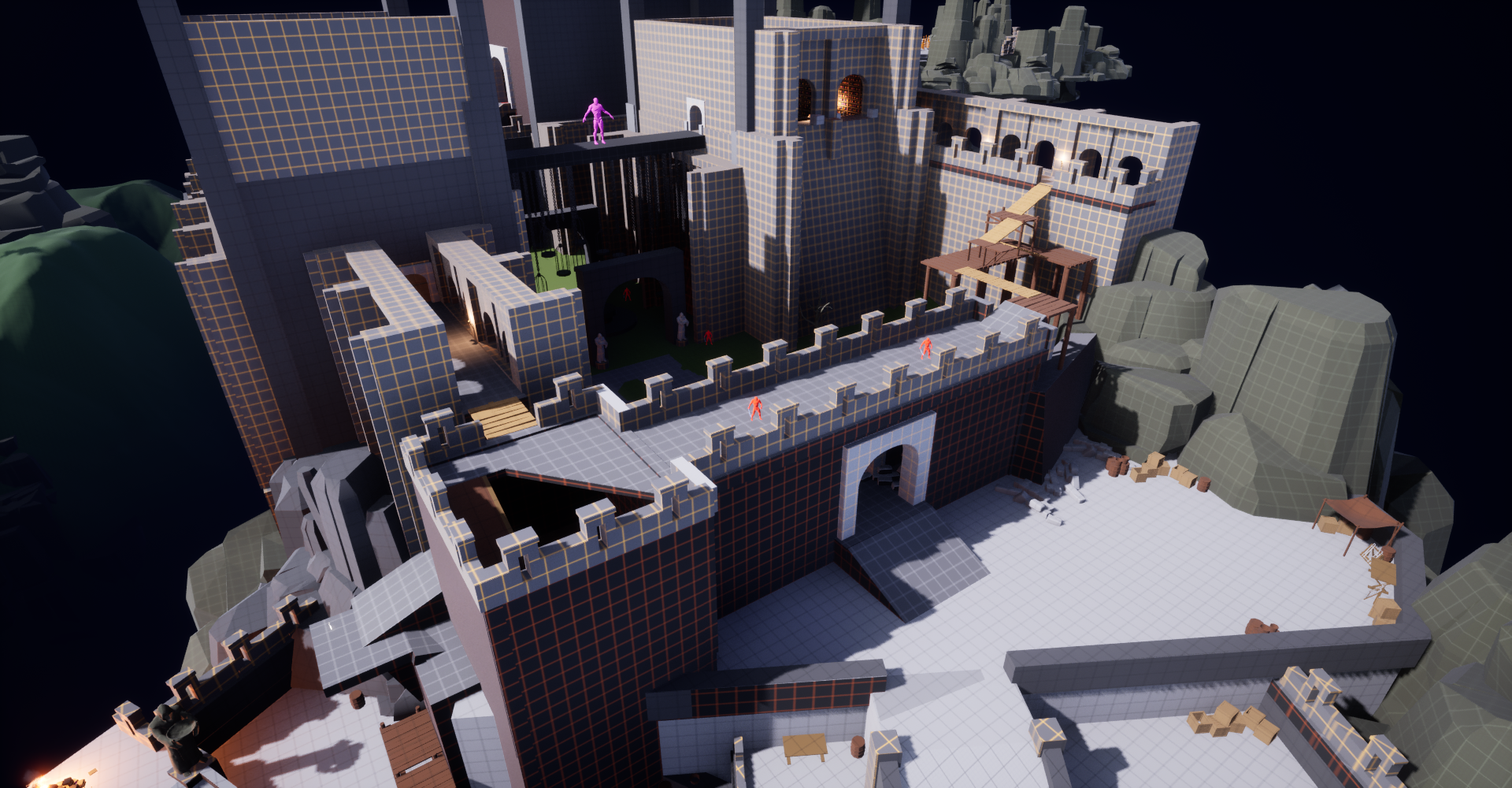
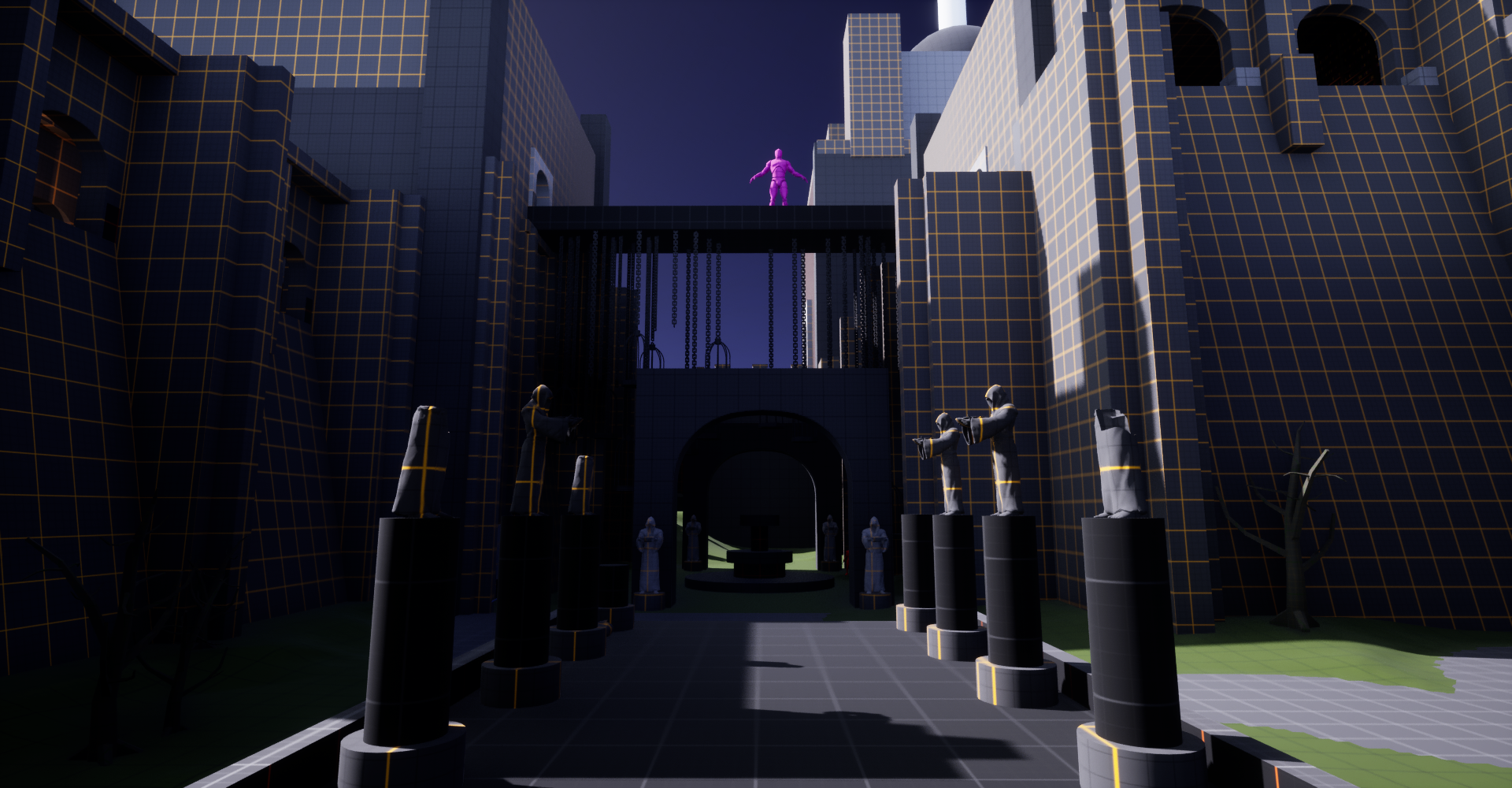
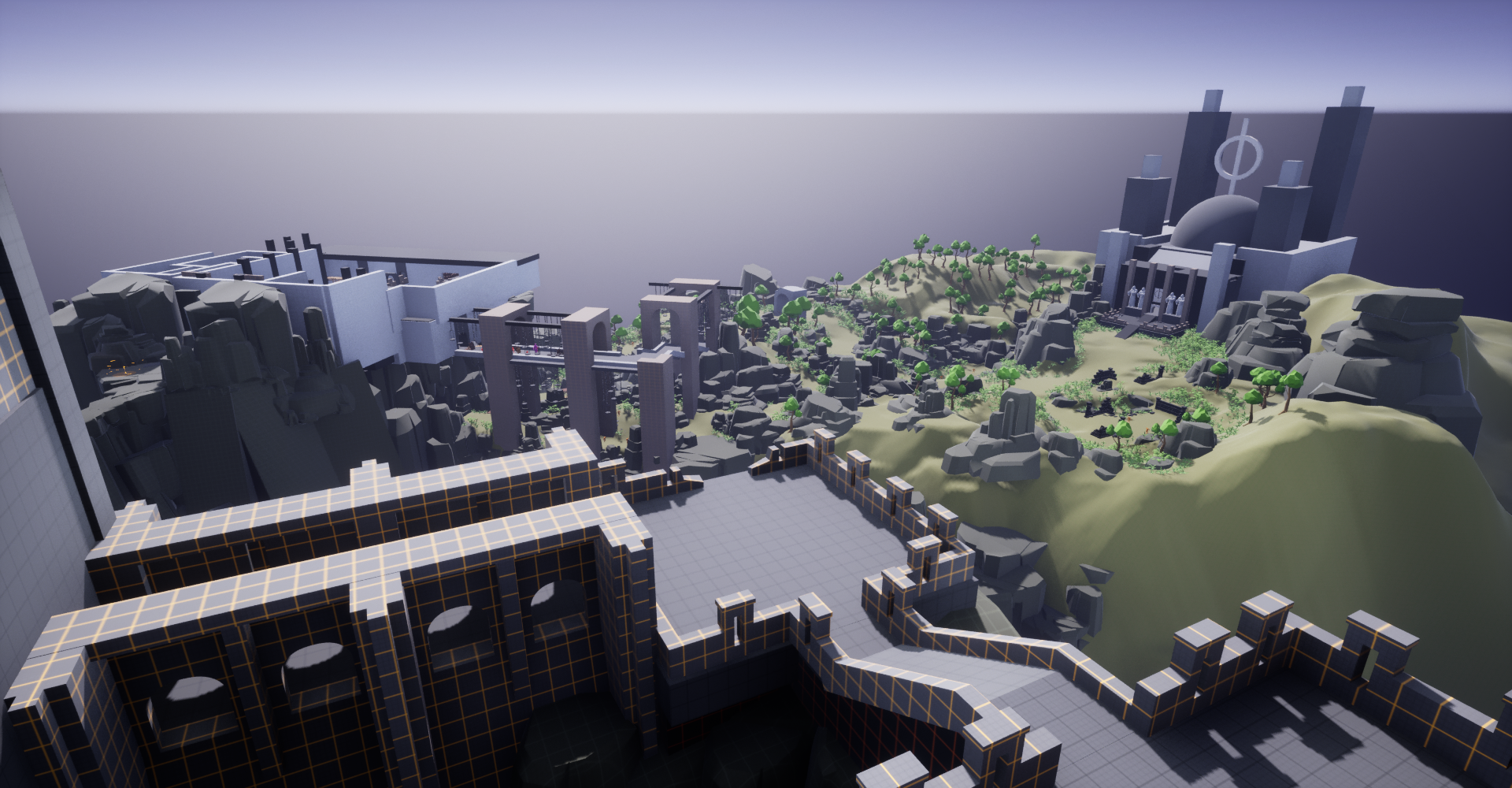
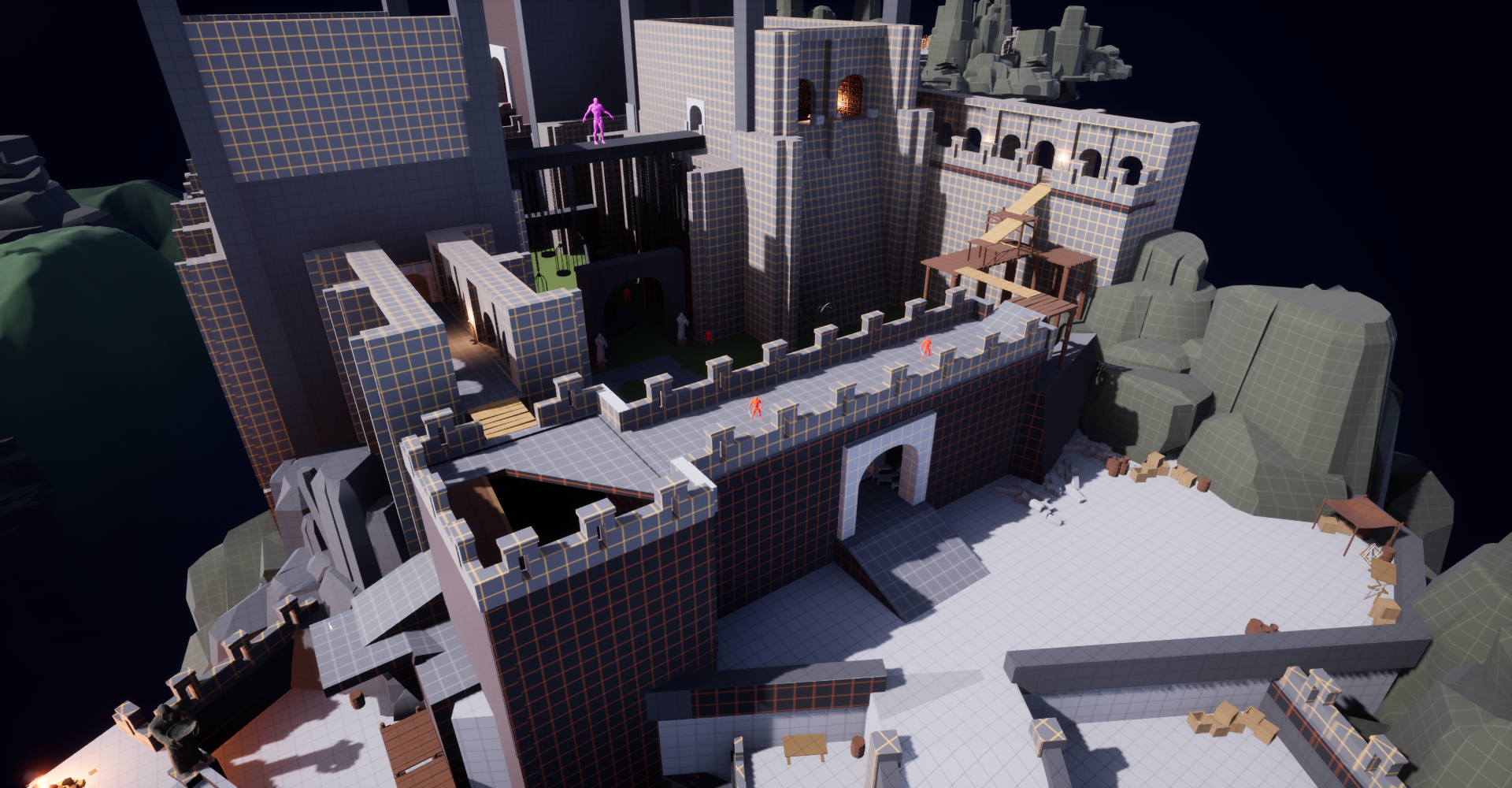
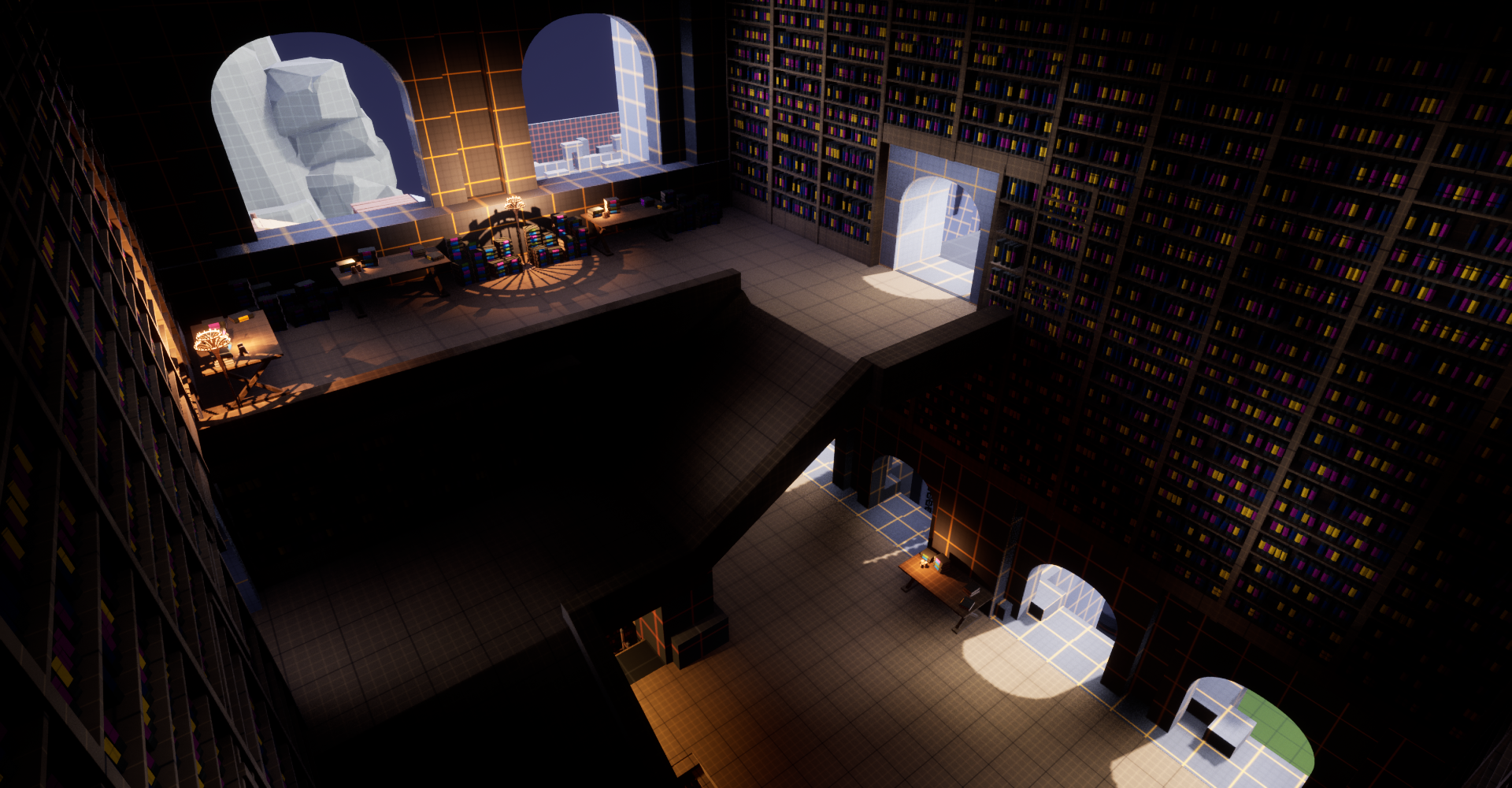
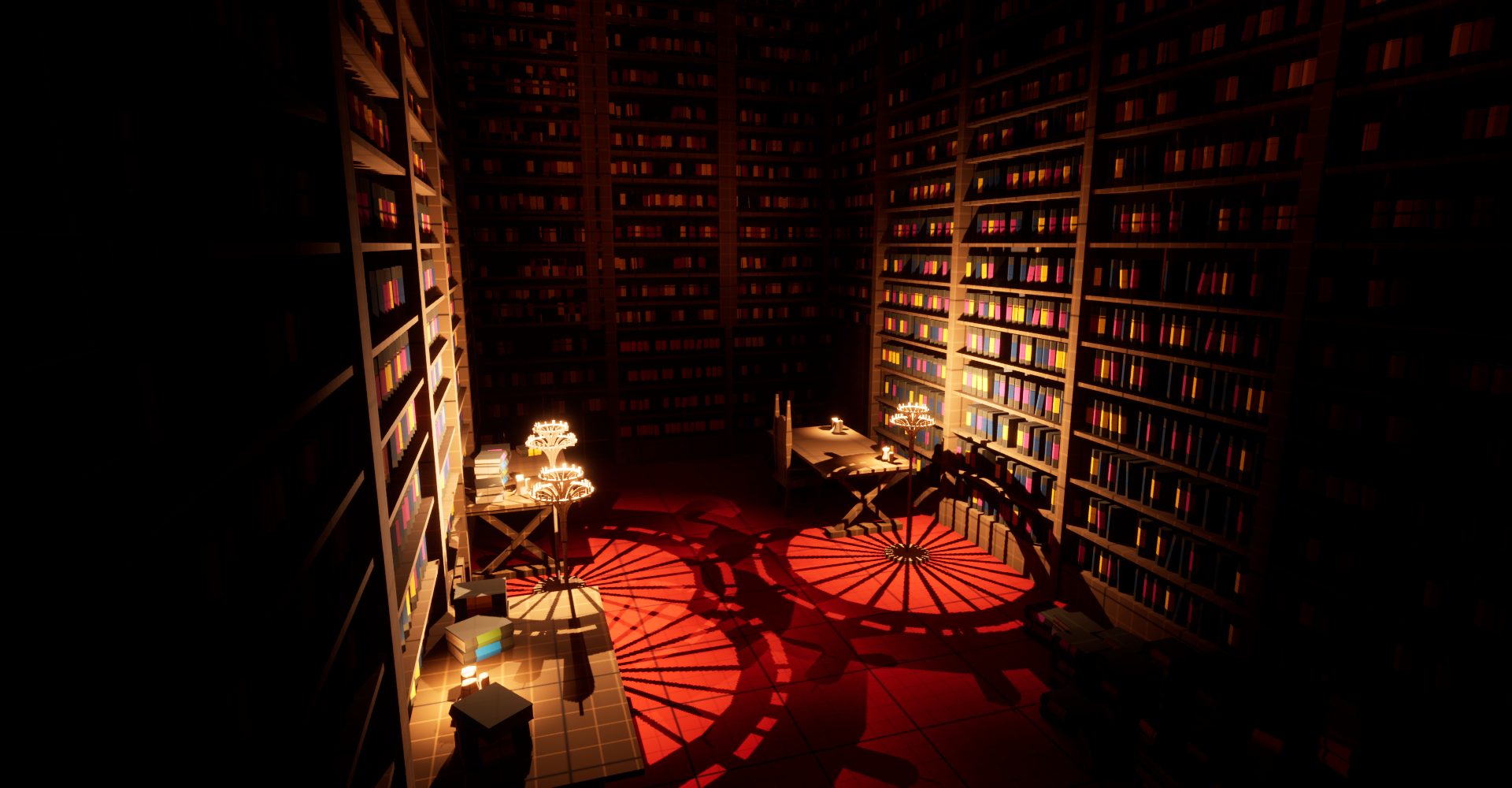
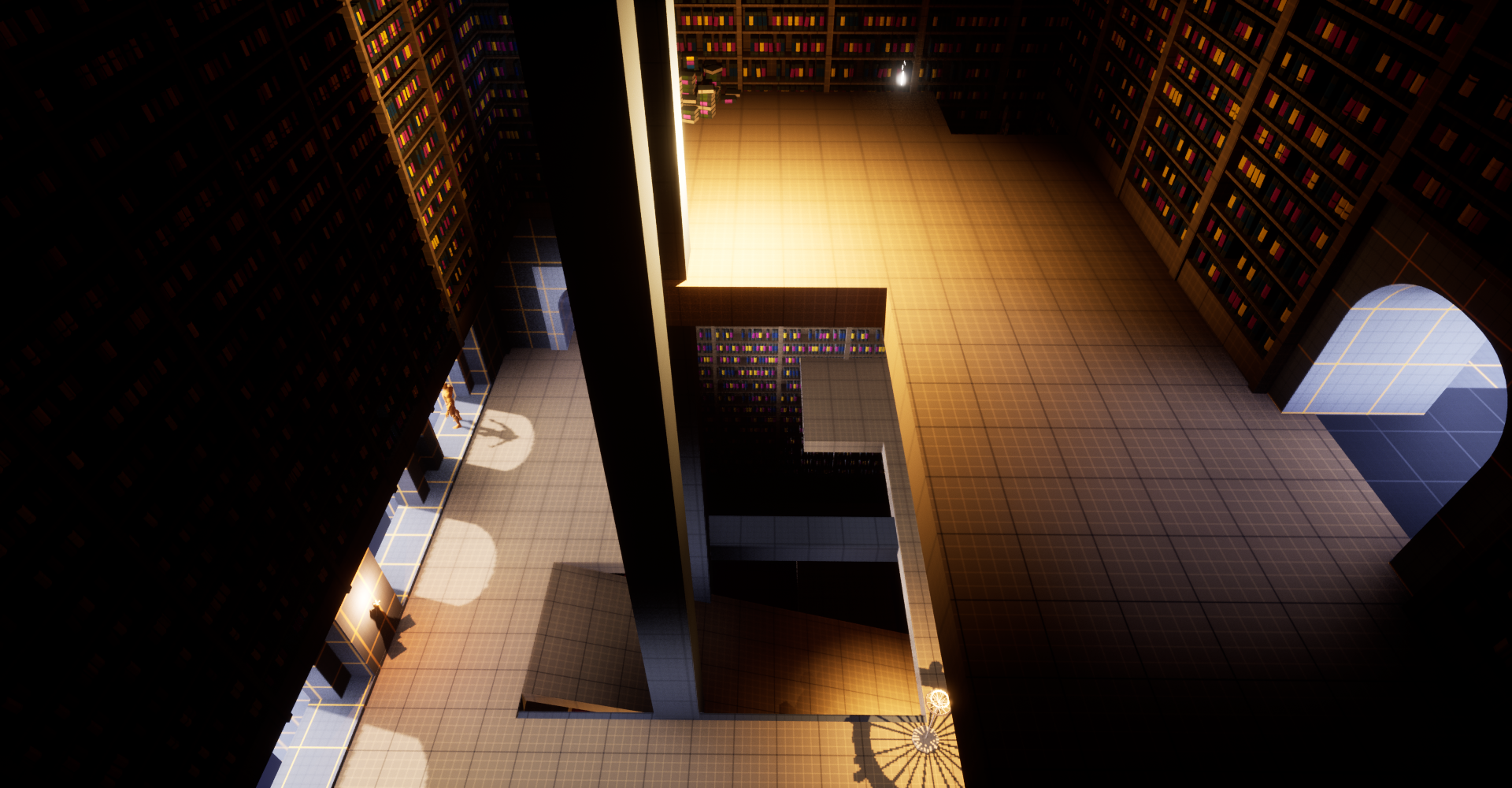
The Library District shifts the focus from the combat-heavy Military City toward a more atmospheric and exploration-driven experience. While players are free to choose their initial route, both library towers must eventually be explored to progress. Locked doors, interconnected paths, and a switch that unlocks the opposite tower encourage players to gradually master the area's layout. The district concludes with a panoramic vista, optional secrets, and the final boss encounter, bringing together the exploration principles established throughout the dungeon.
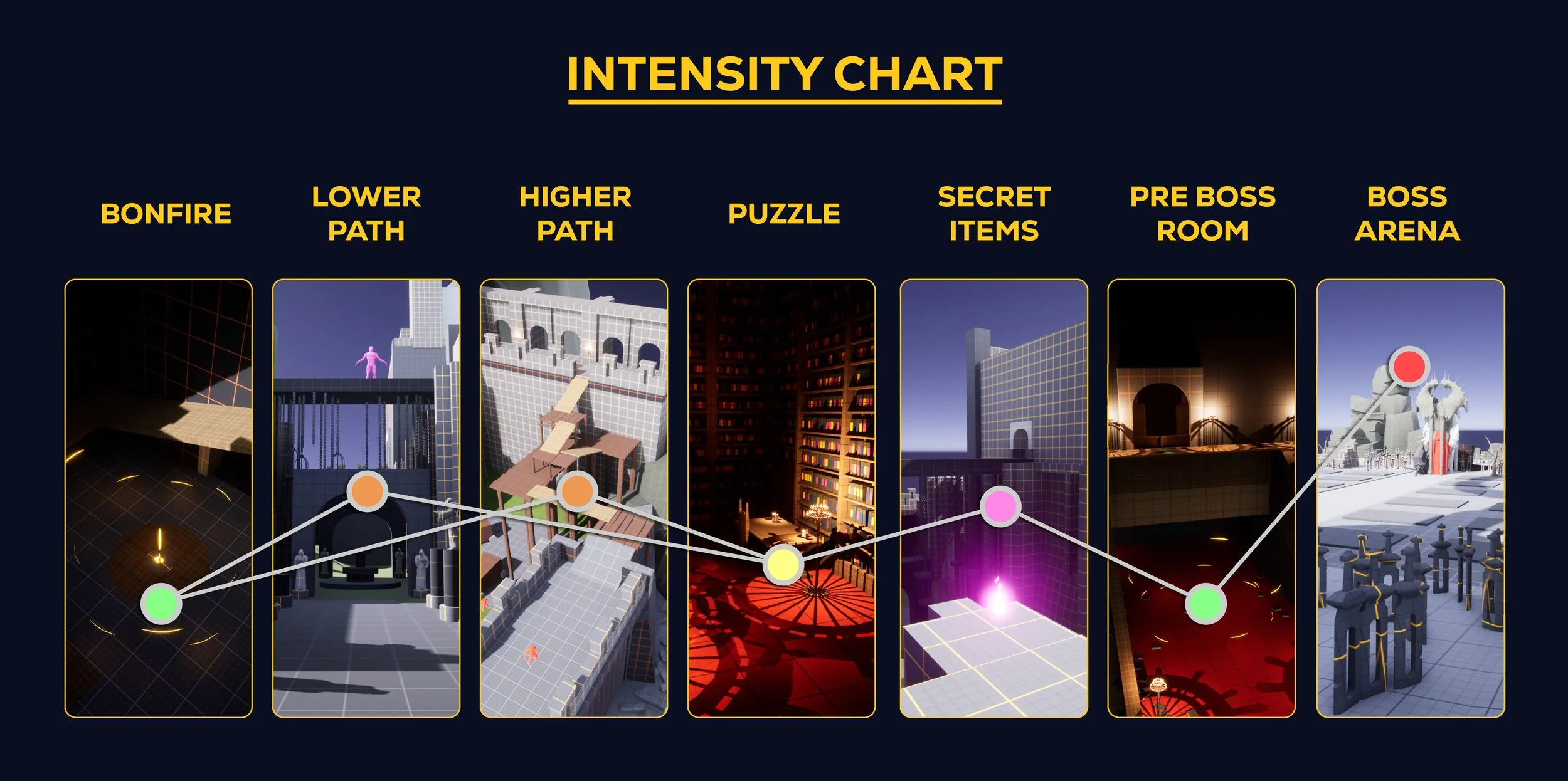
Player-Driven Intensity
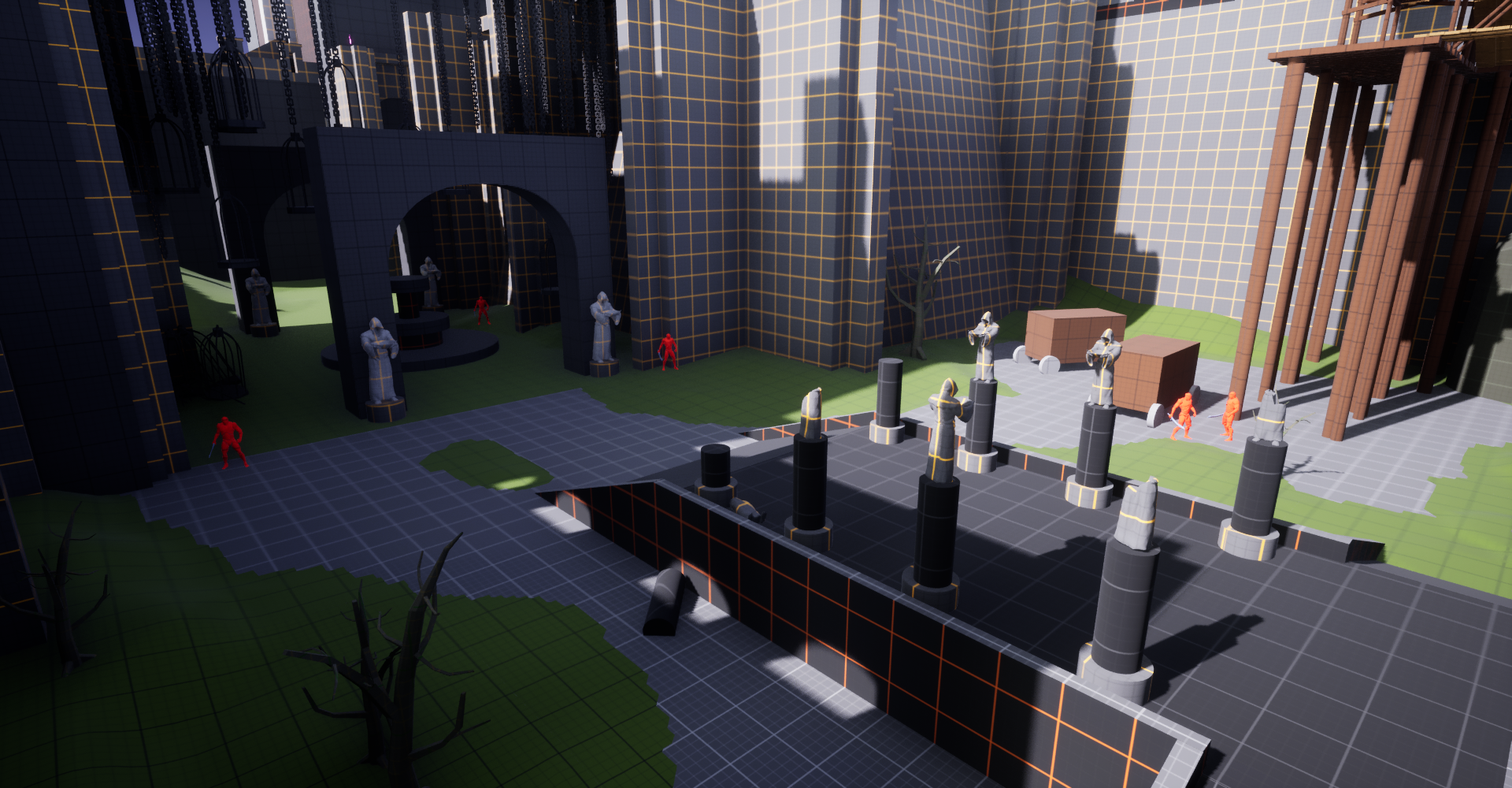
Unlike the Military City, where the pacing follows a more deliberate rhythm, the Library District gives players greater control over the intensity of their journey. From the moment they enter the area, they can choose between a safer elevated route or engaging directly with the central courtyard, where larger enemy groups and an elite encounter create immediate pressure.
Although both paths must eventually be explored, the order in which players approach them shapes the overall experience. This flexibility allows players to manage risk, prepare for more challenging encounters, and naturally adjust the dungeon's pacing to match their preferred playstyle while preserving the intended progression.
A Safe Route Forward
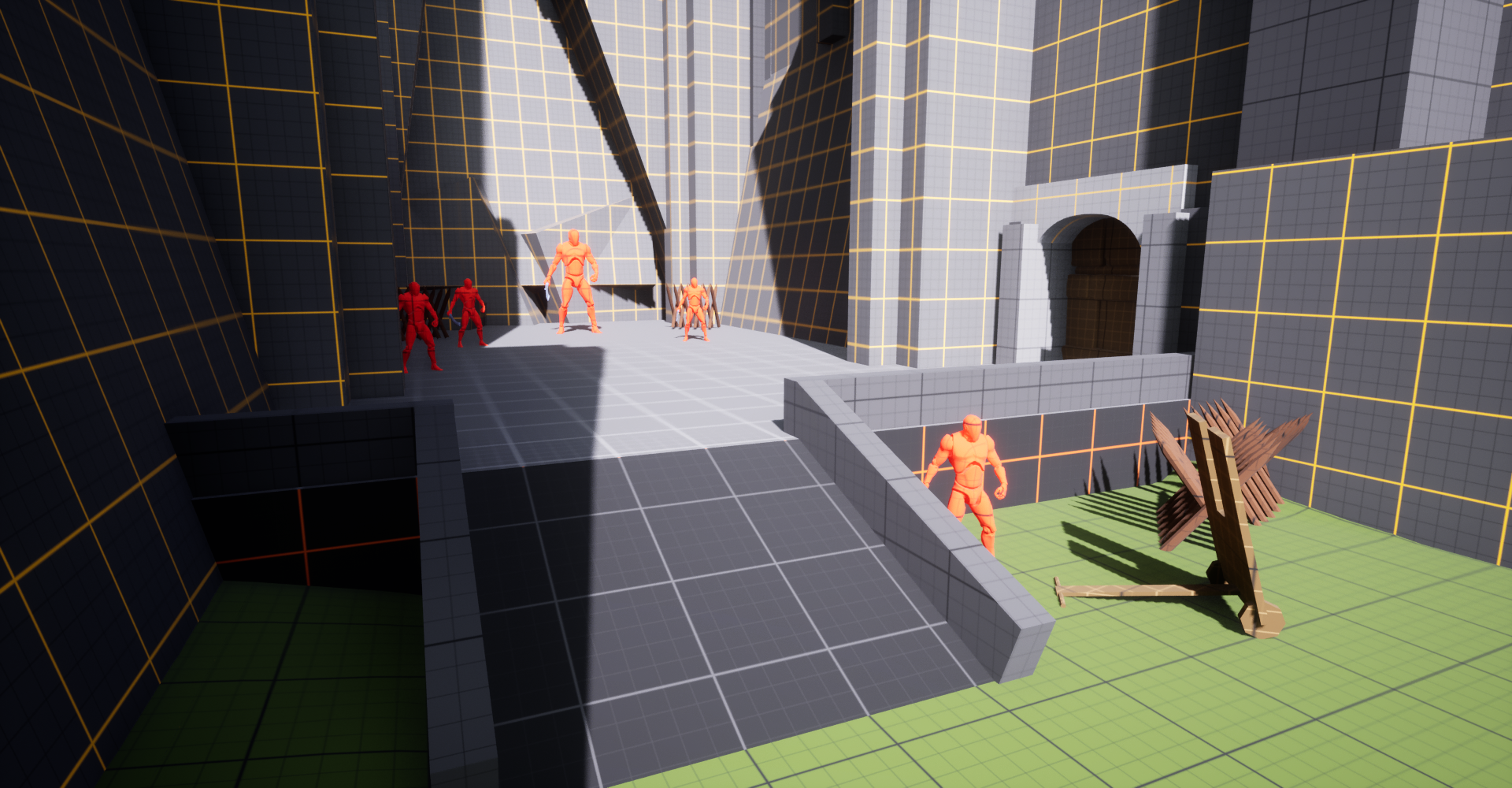
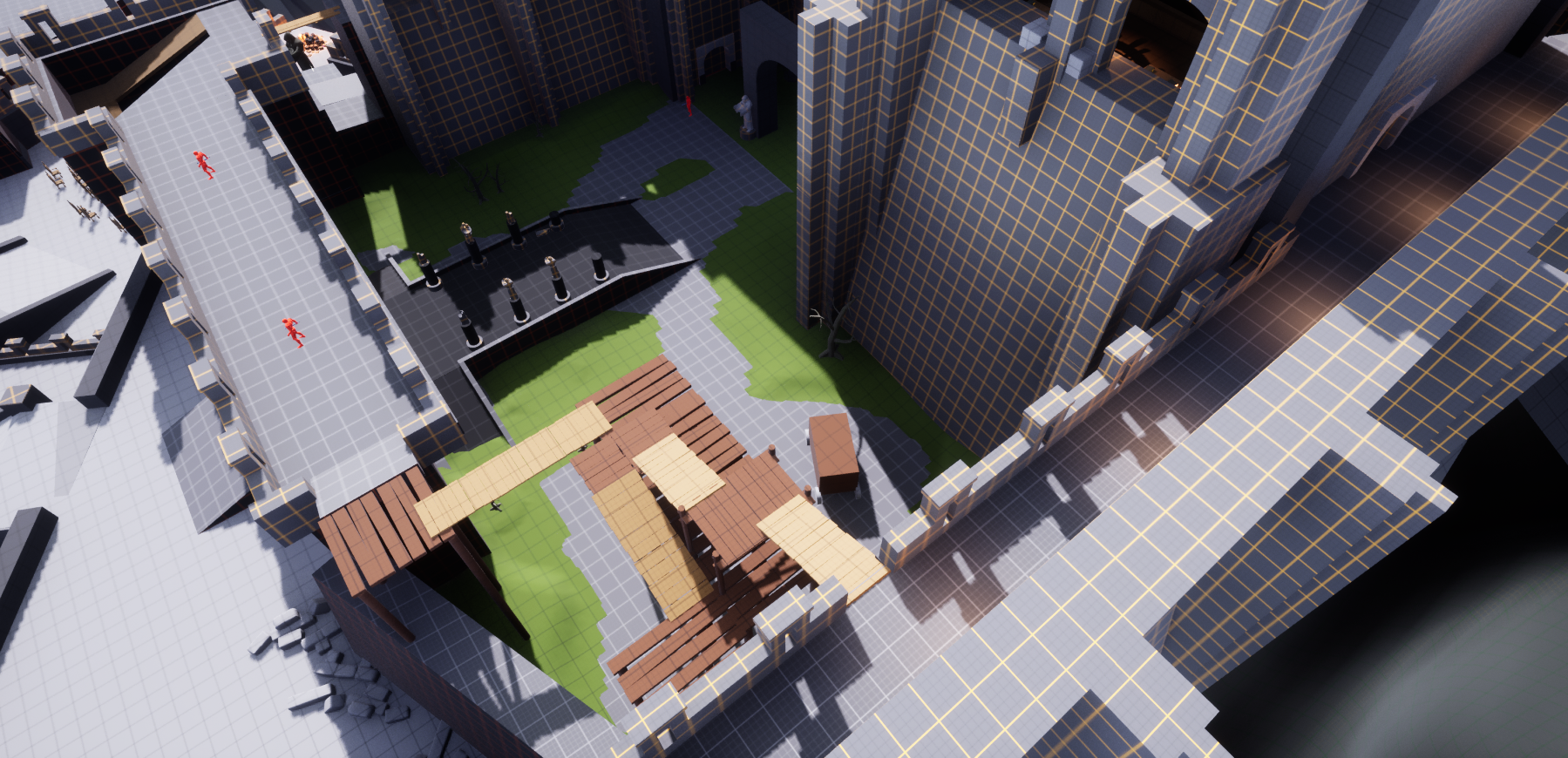
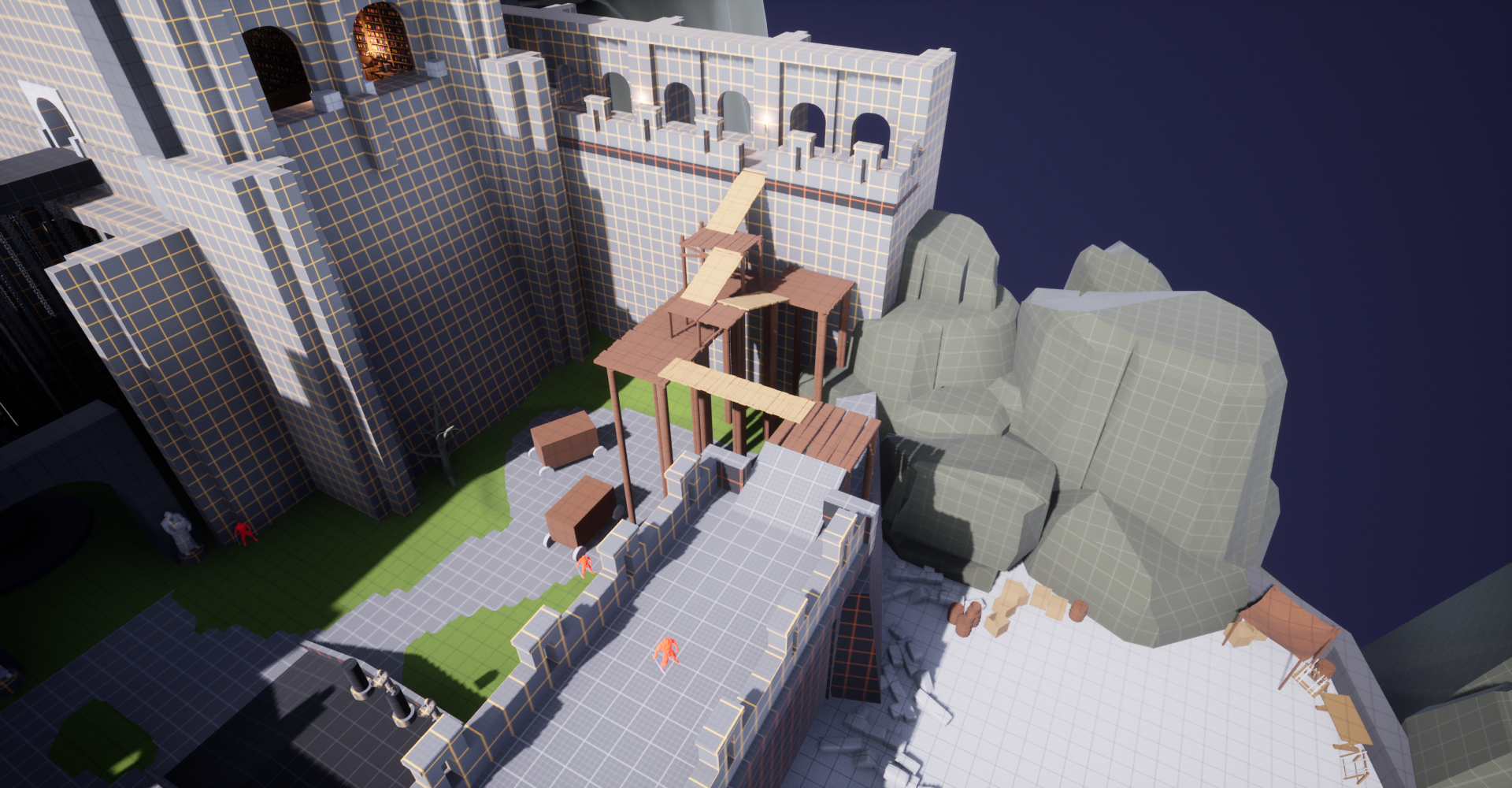
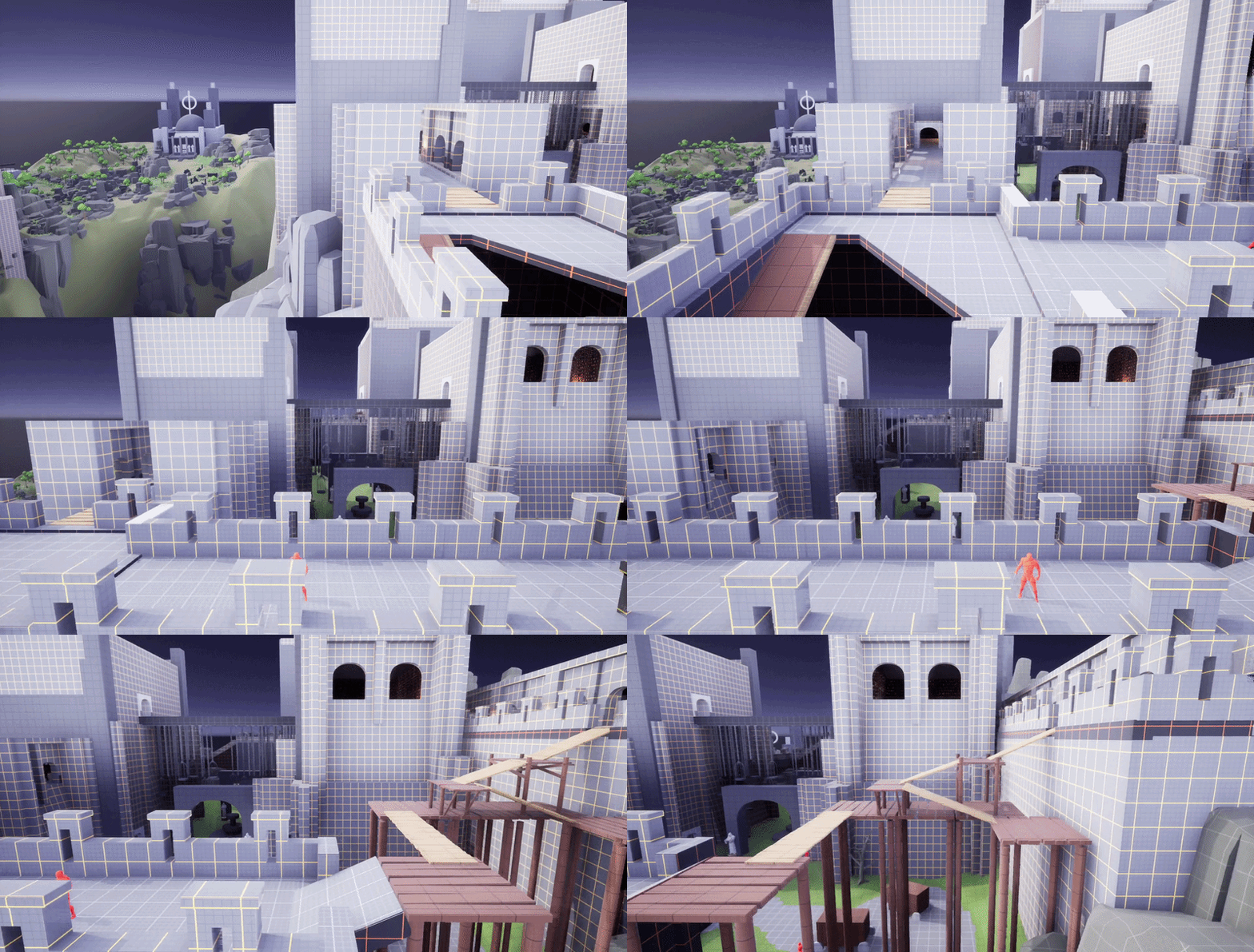
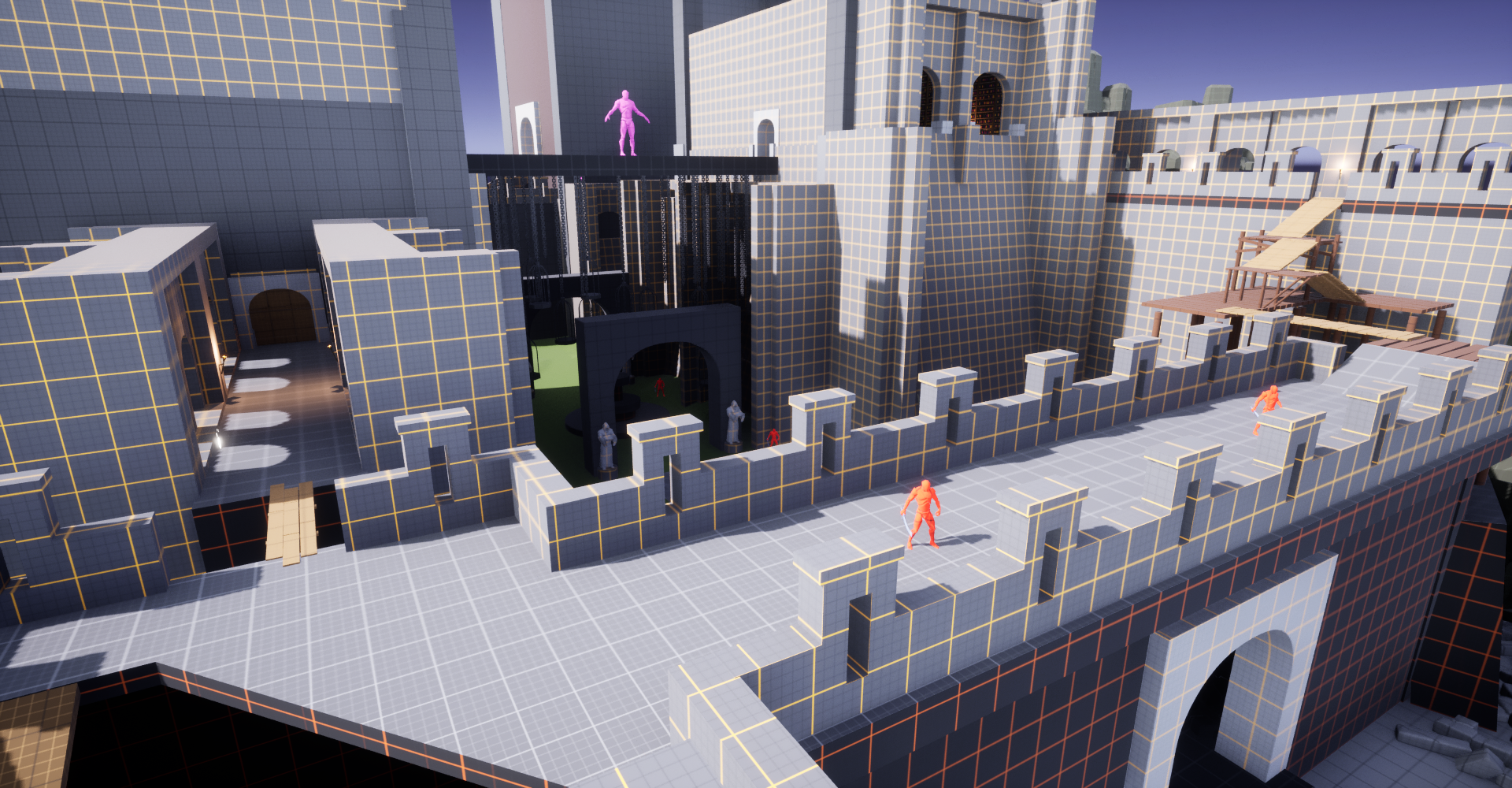
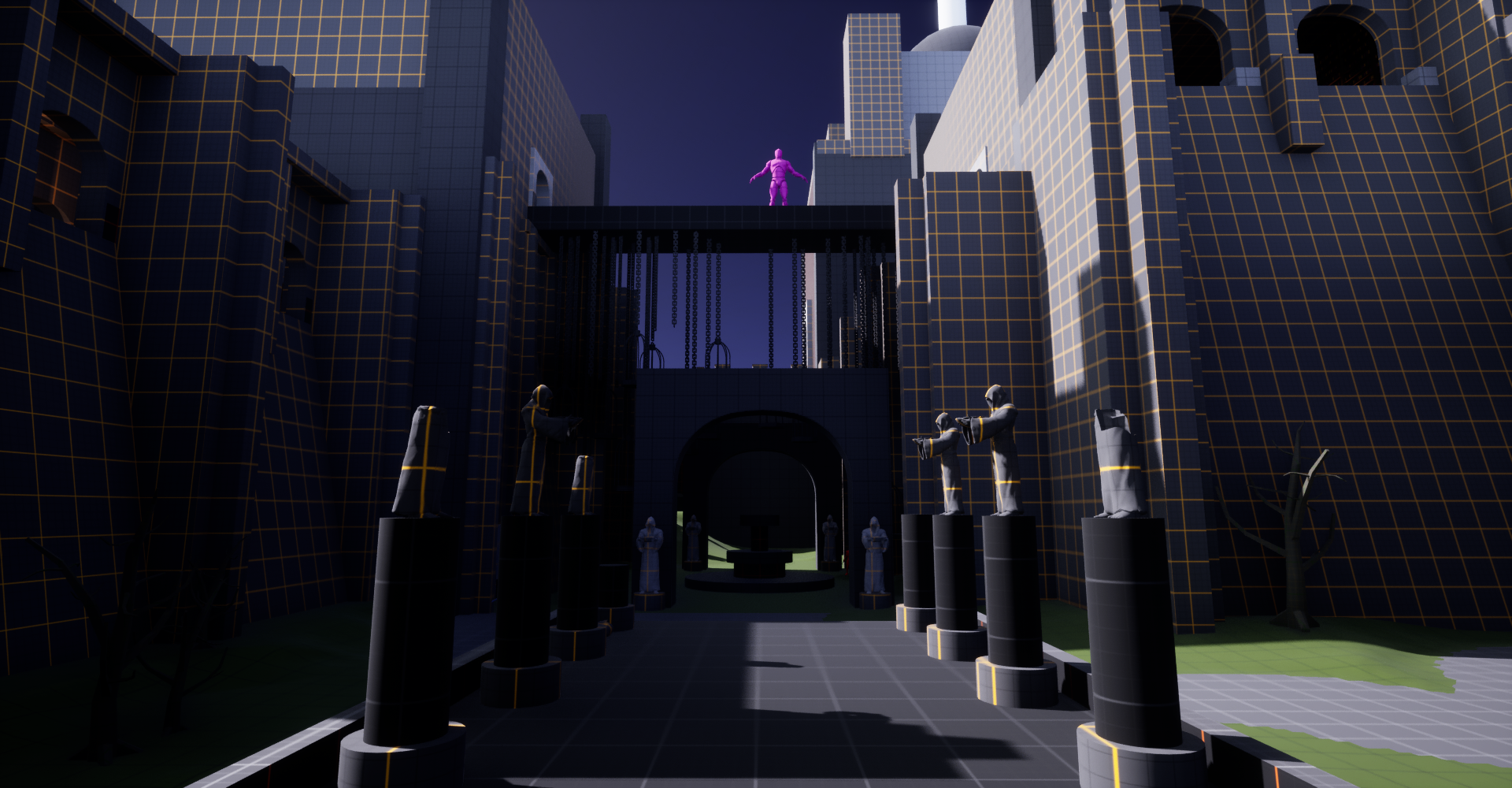
Upon entering the Library District, players are immediately presented with two distinct options. The main gate leads directly into a dangerous courtyard, while a protected corridor offers a safer alternative, culminating in a bonfire that rewards cautious exploration. Beyond serving as a checkpoint, this elevated route provides a new perspective over the area ahead, allowing players to observe the layout before committing to the next encounter.
The Central Courtyard
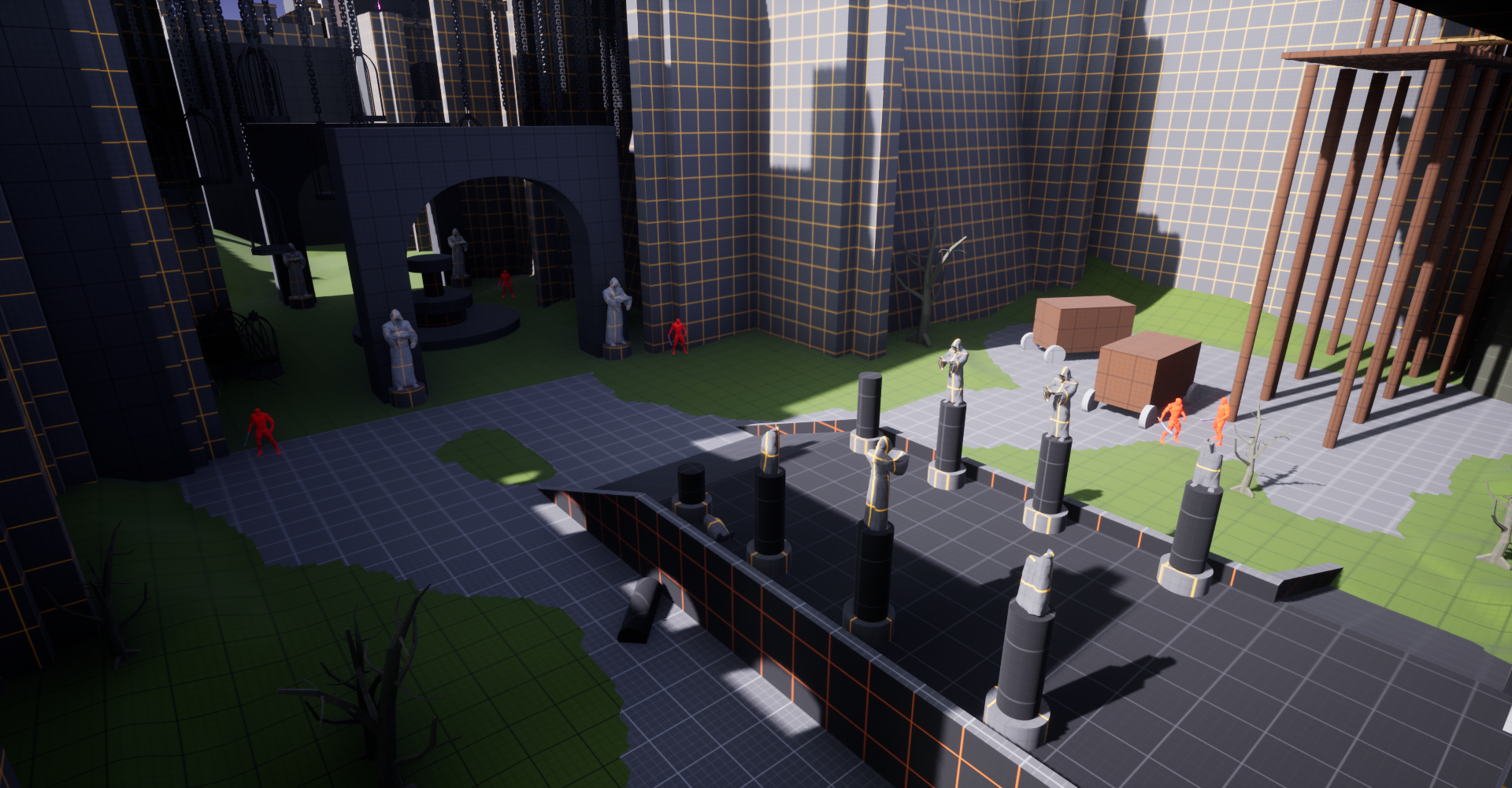
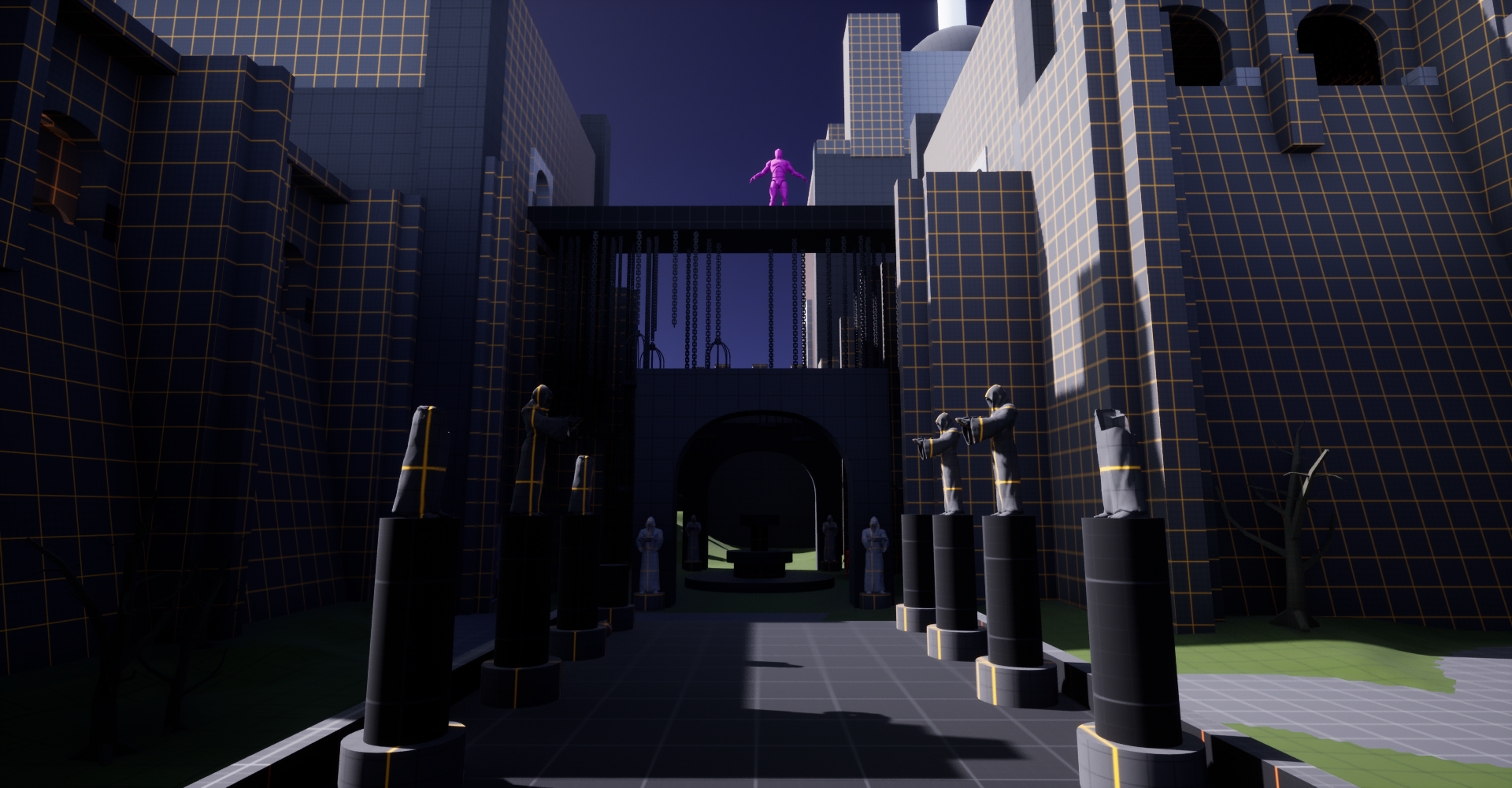
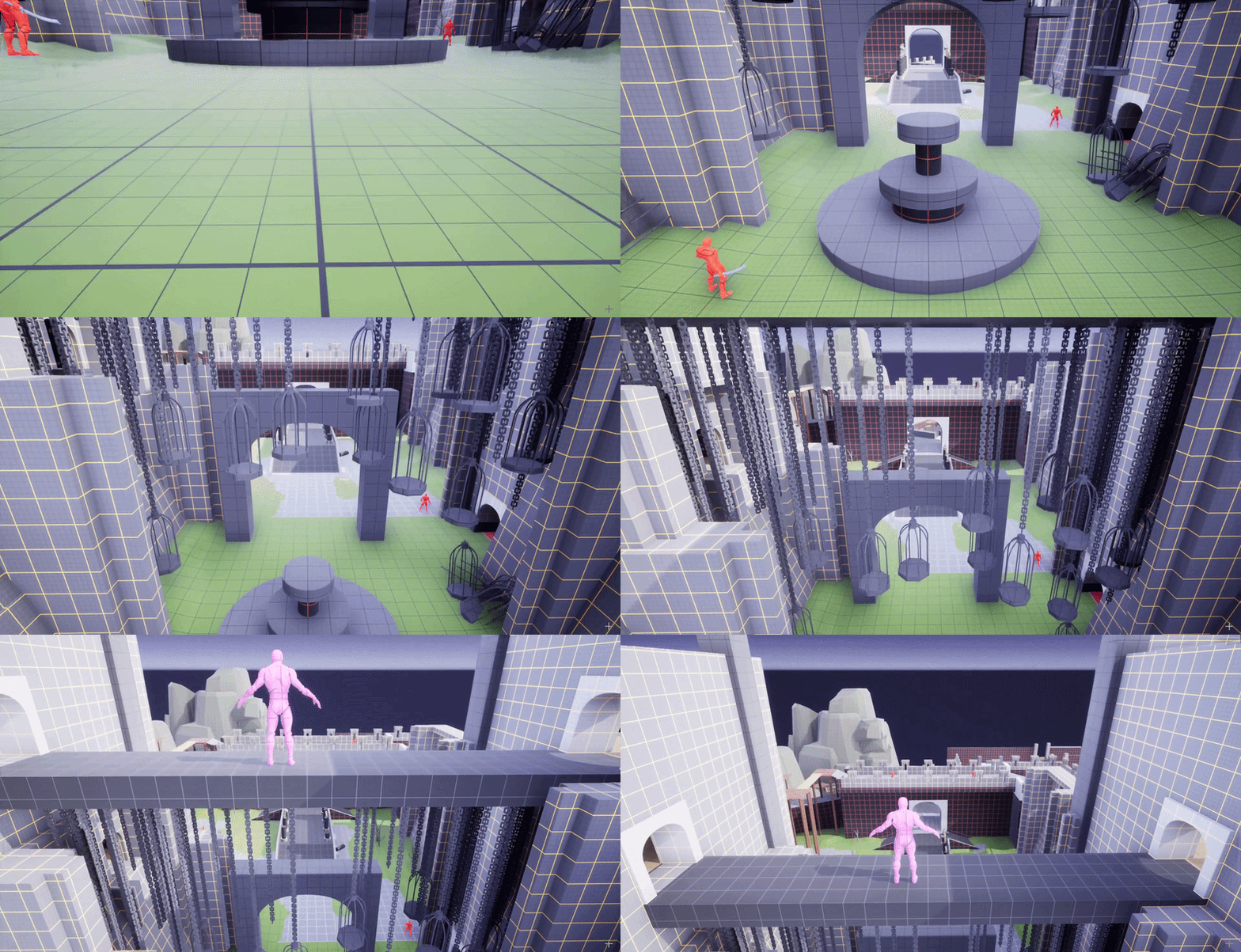
The courtyard acts as the primary combat space of the Library District, placing the player against groups of regular enemies alongside a powerful elite opponent. Multiple paths, locked doors, and accessible routes encourage players to evaluate their surroundings rather than simply pushing forward. Although the encounters are more demanding, the open layout allows different approaches while maintaining the deliberate pacing established throughout the level.
Library Towers
Twin Towers and Interconnected Progression
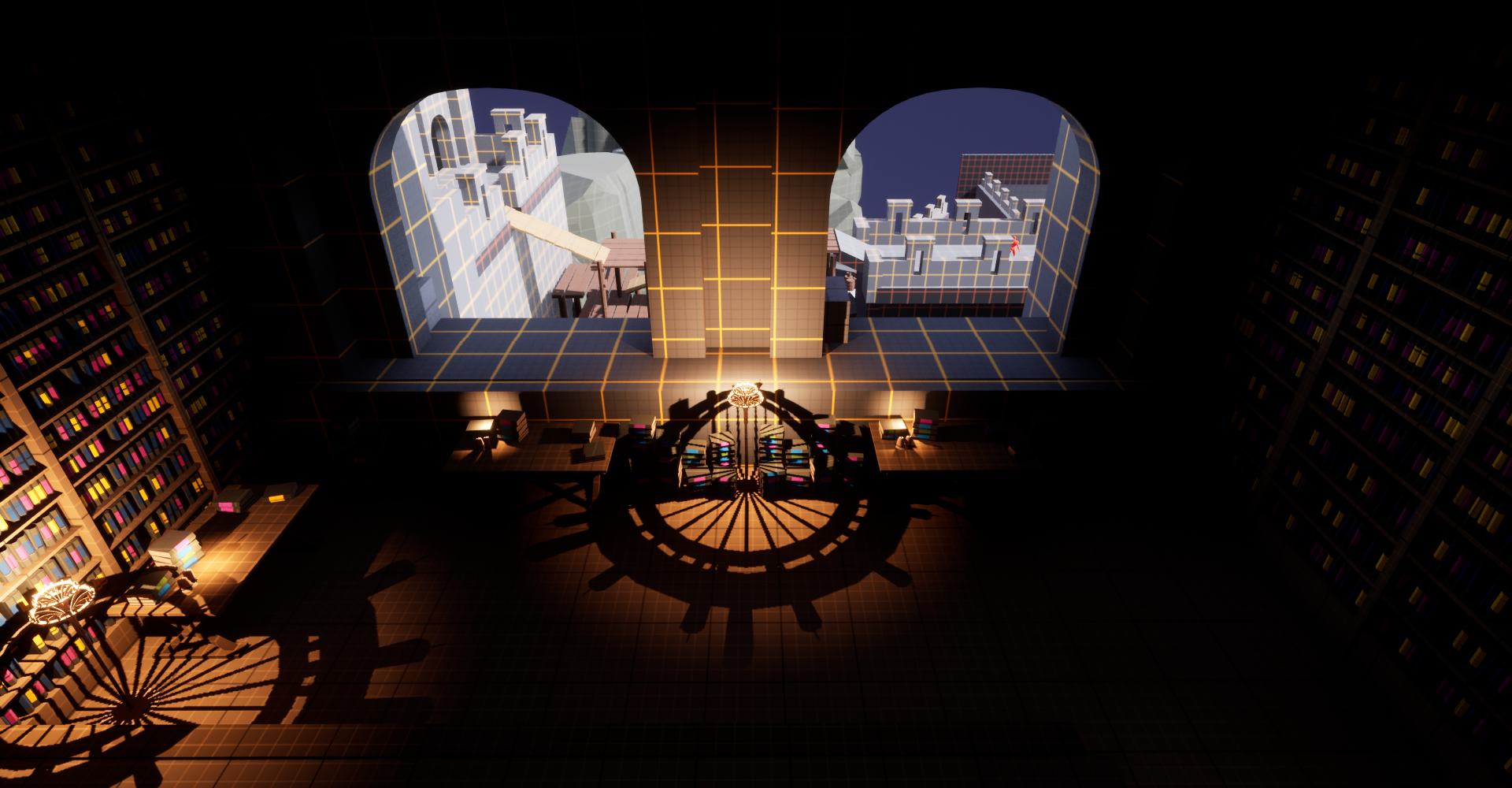
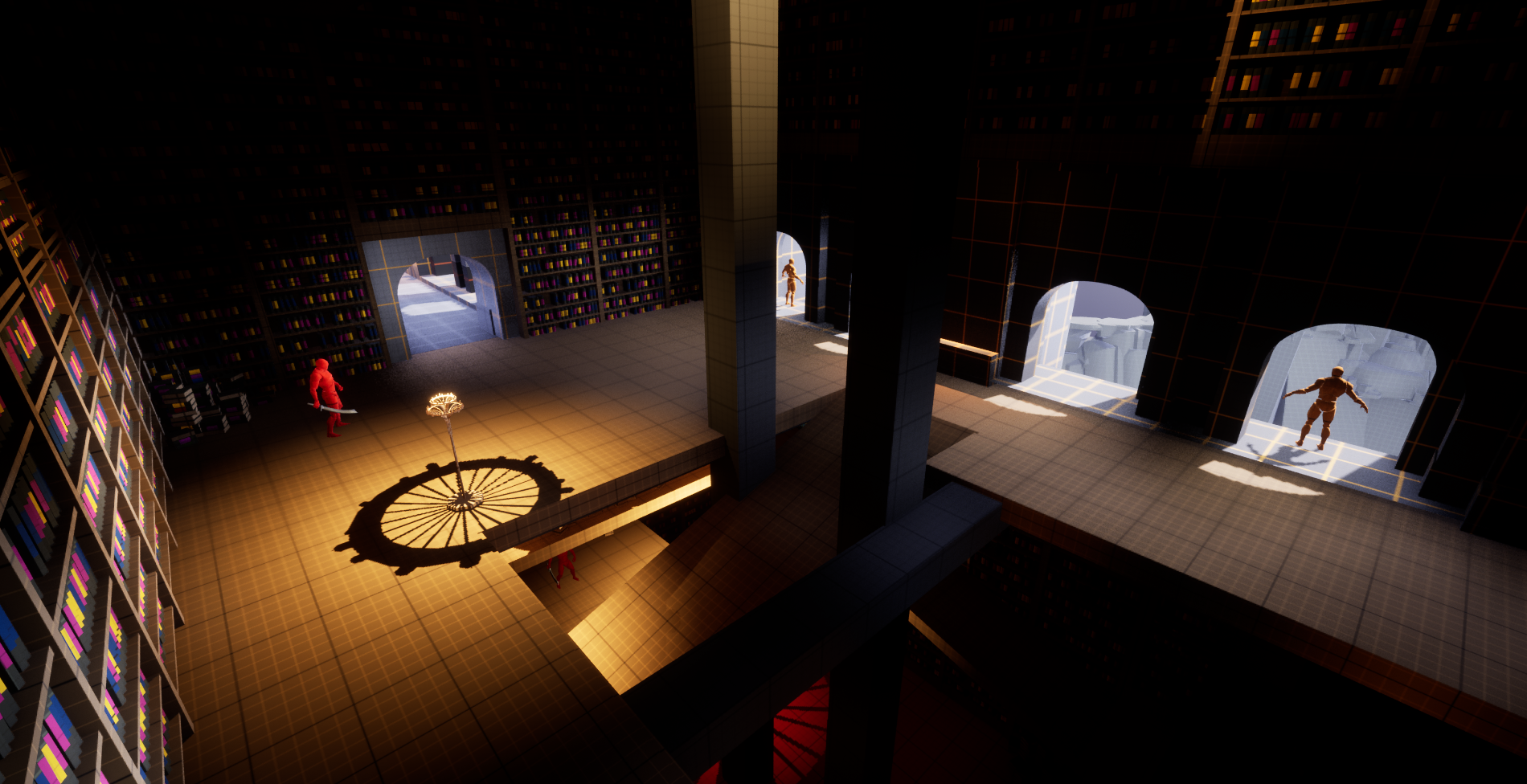
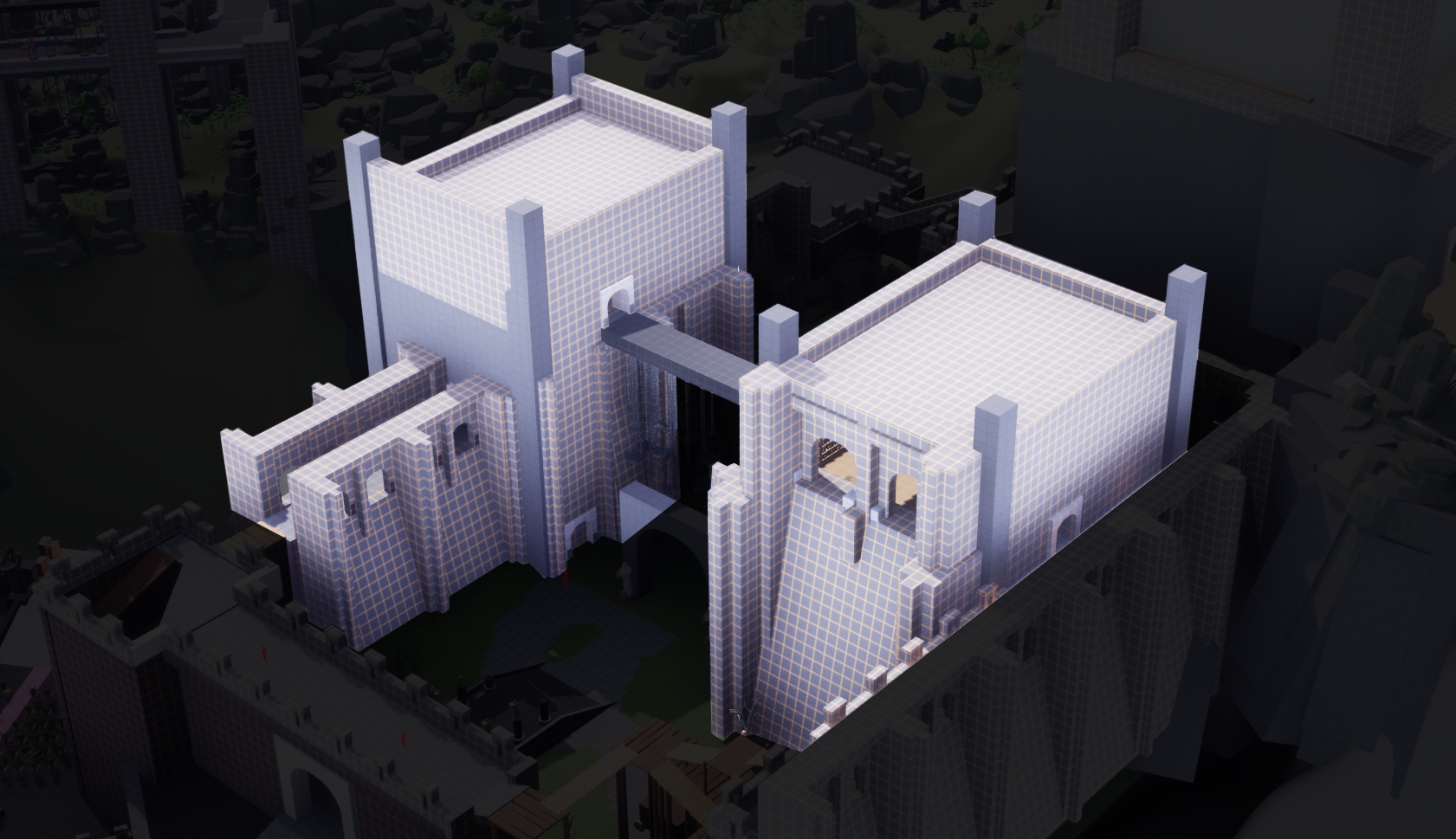
Both available routes eventually lead to separate library towers, each containing its own encounters and exploration opportunities. While players are free to choose which tower to tackle first, progression ultimately requires exploring both. One tower contains a switch that unlocks a previously inaccessible door in the other, creating another interconnected loop that rewards thorough exploration. Beyond this newly opened path lies a final vista overlooking the completed level, optional secrets for curious players, and the approach to the final boss encounter.




Boss Area
The First Major Challenge
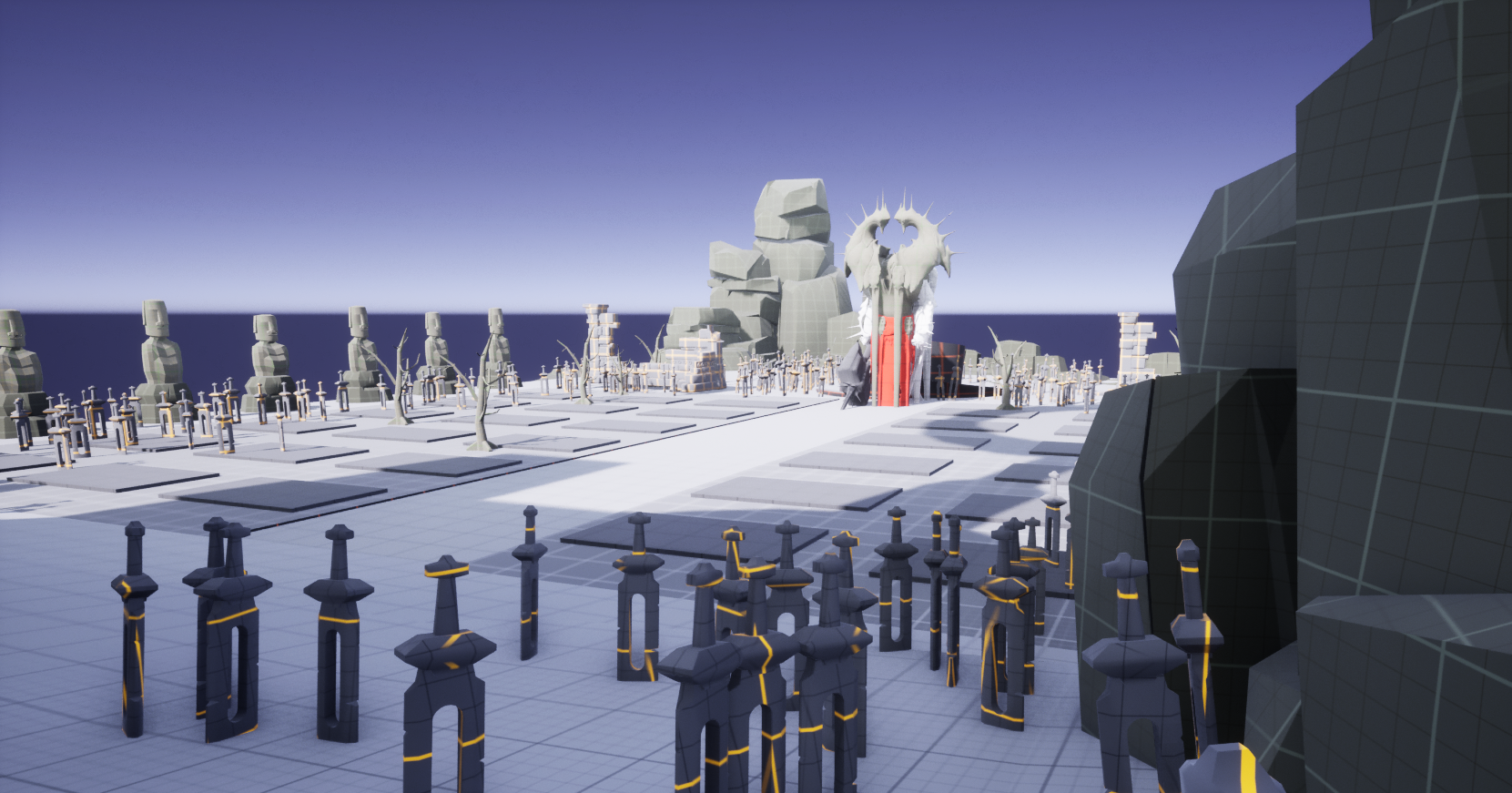
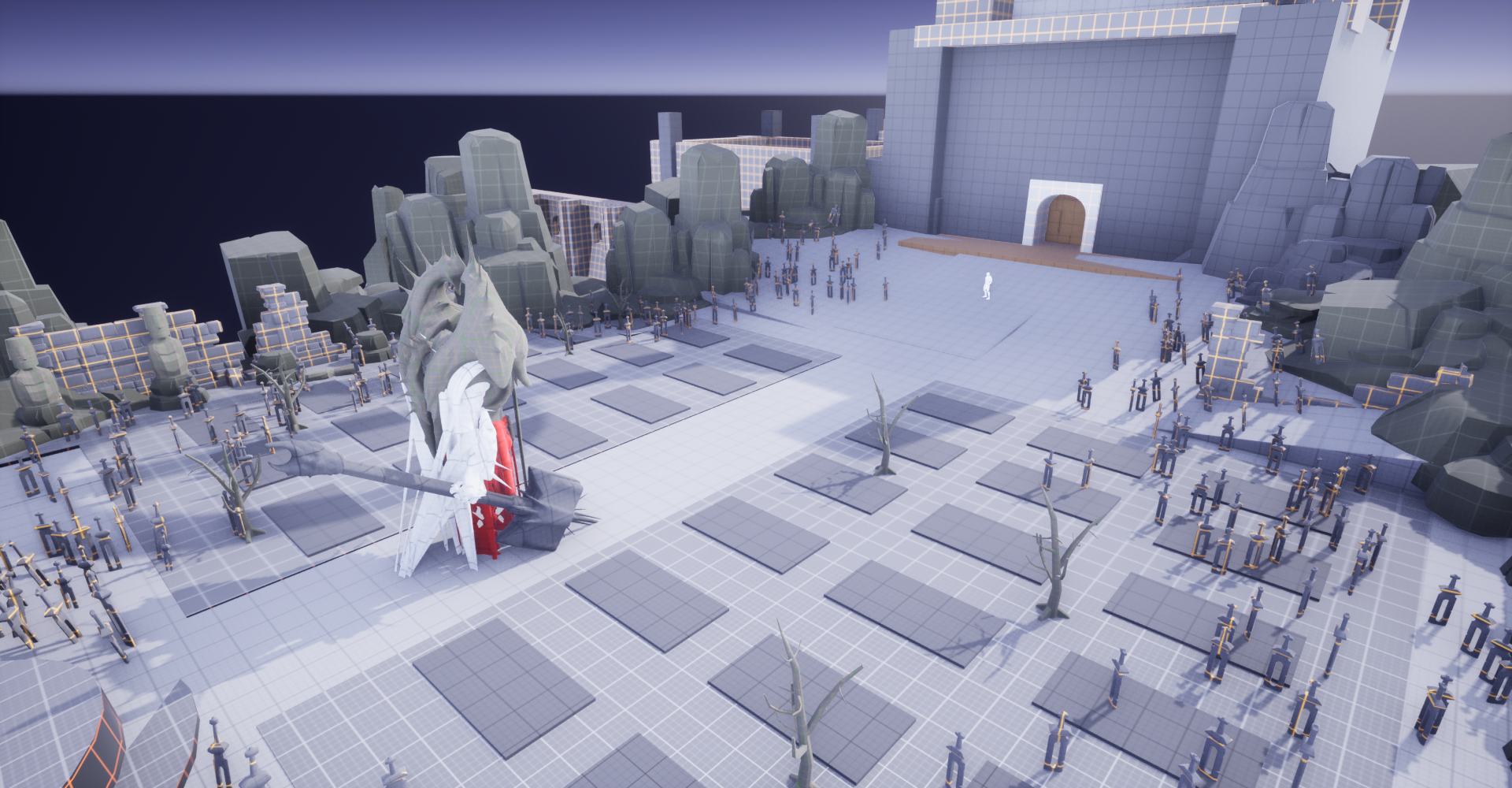
One of the defining moments in any Souls-like game is the first major boss encounter. More than simply introducing a difficult enemy, this fight serves as a milestone that tests whether the player has understood the game's core mechanics. Positioning, stamina management, pattern recognition, and patience all come together, marking the transition from learning the fundamentals to mastering them.
For this project, I wanted the final boss to fulfill that same role. The level gradually prepares the player through increasingly demanding encounters, environmental navigation, and optional exploration before culminating in a fight designed to feel earned rather than unexpected. By the time players reach the boss arena, they have already been exposed to the core challenges that define the dungeon.
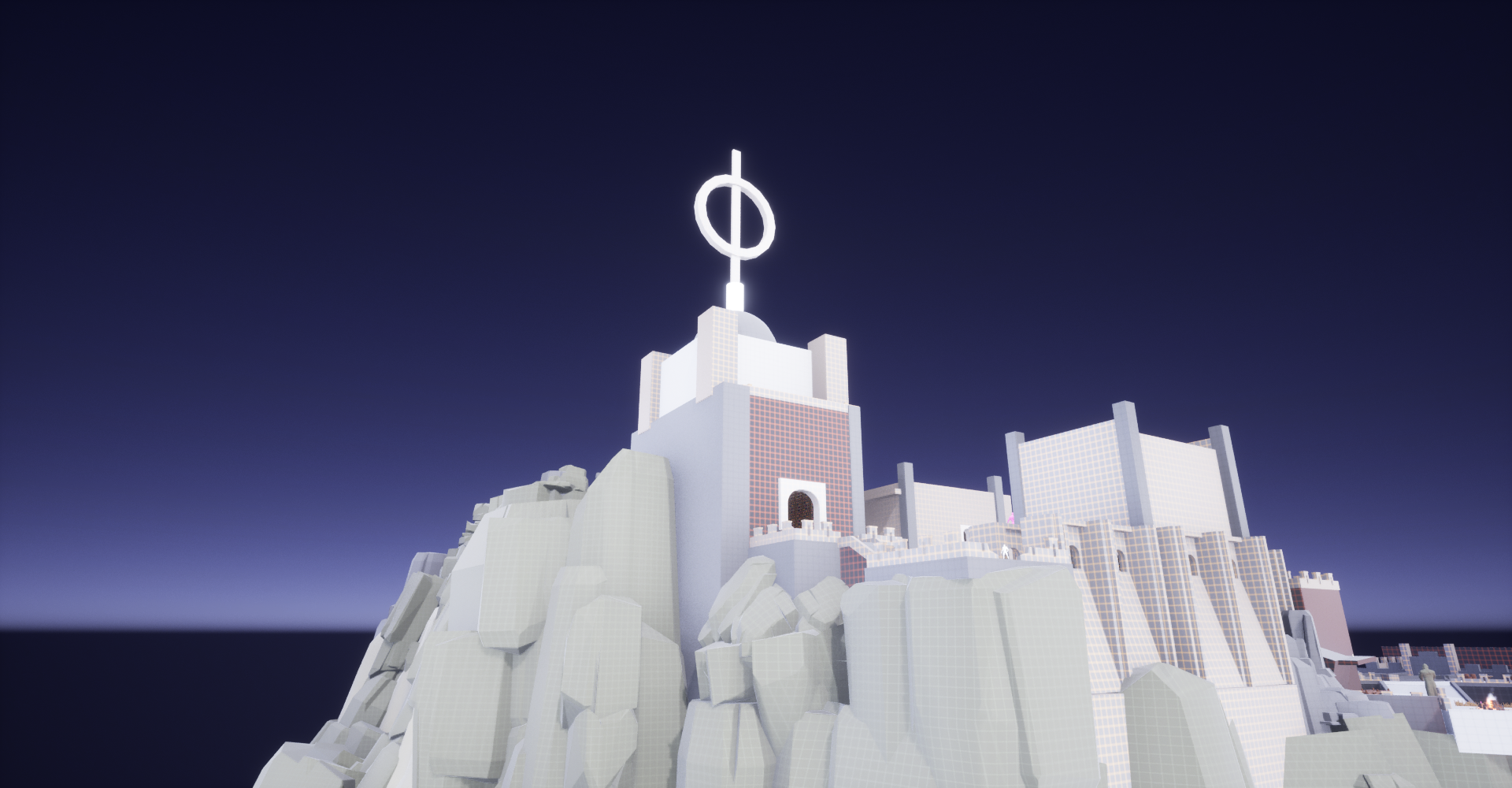
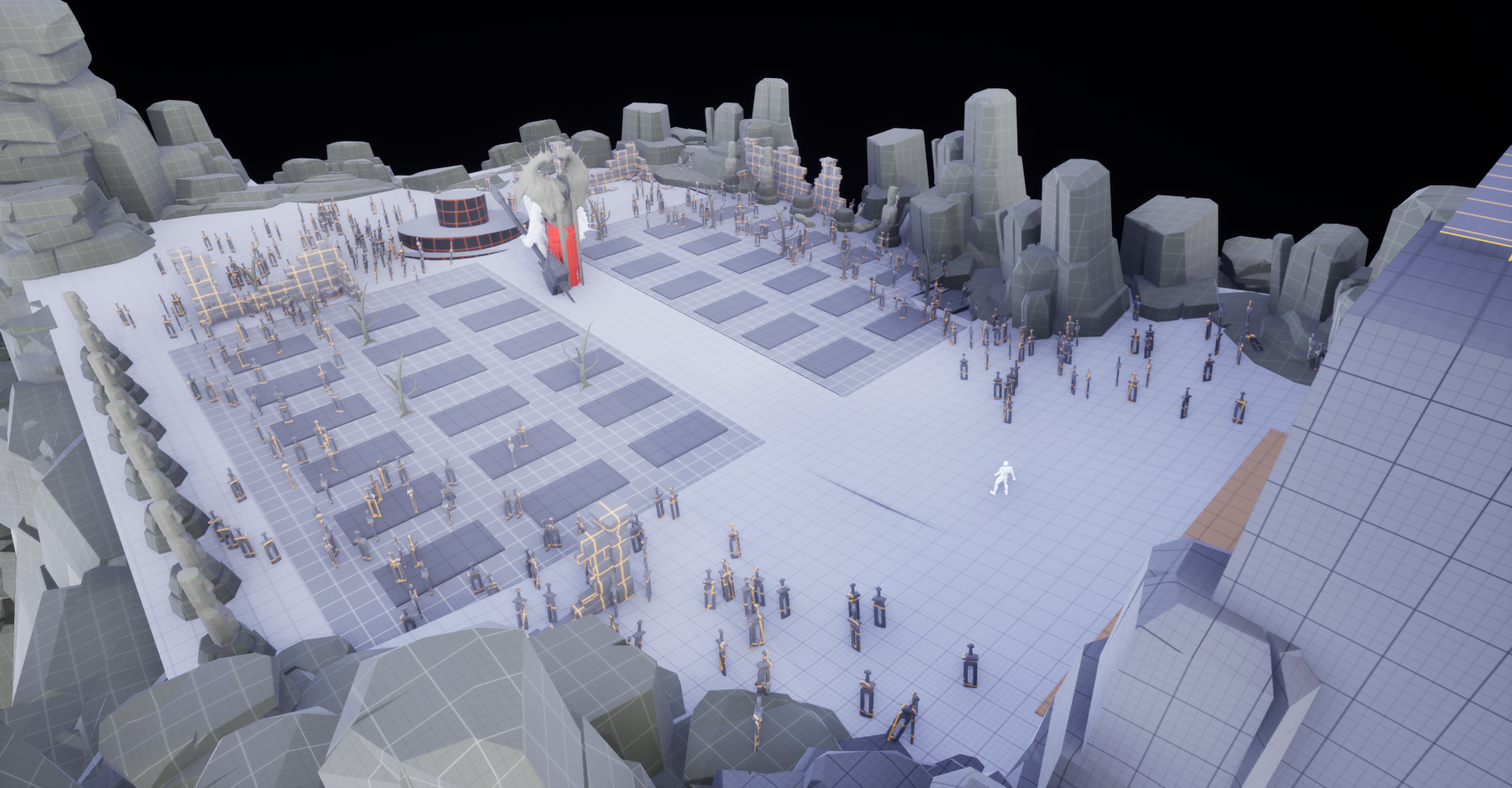
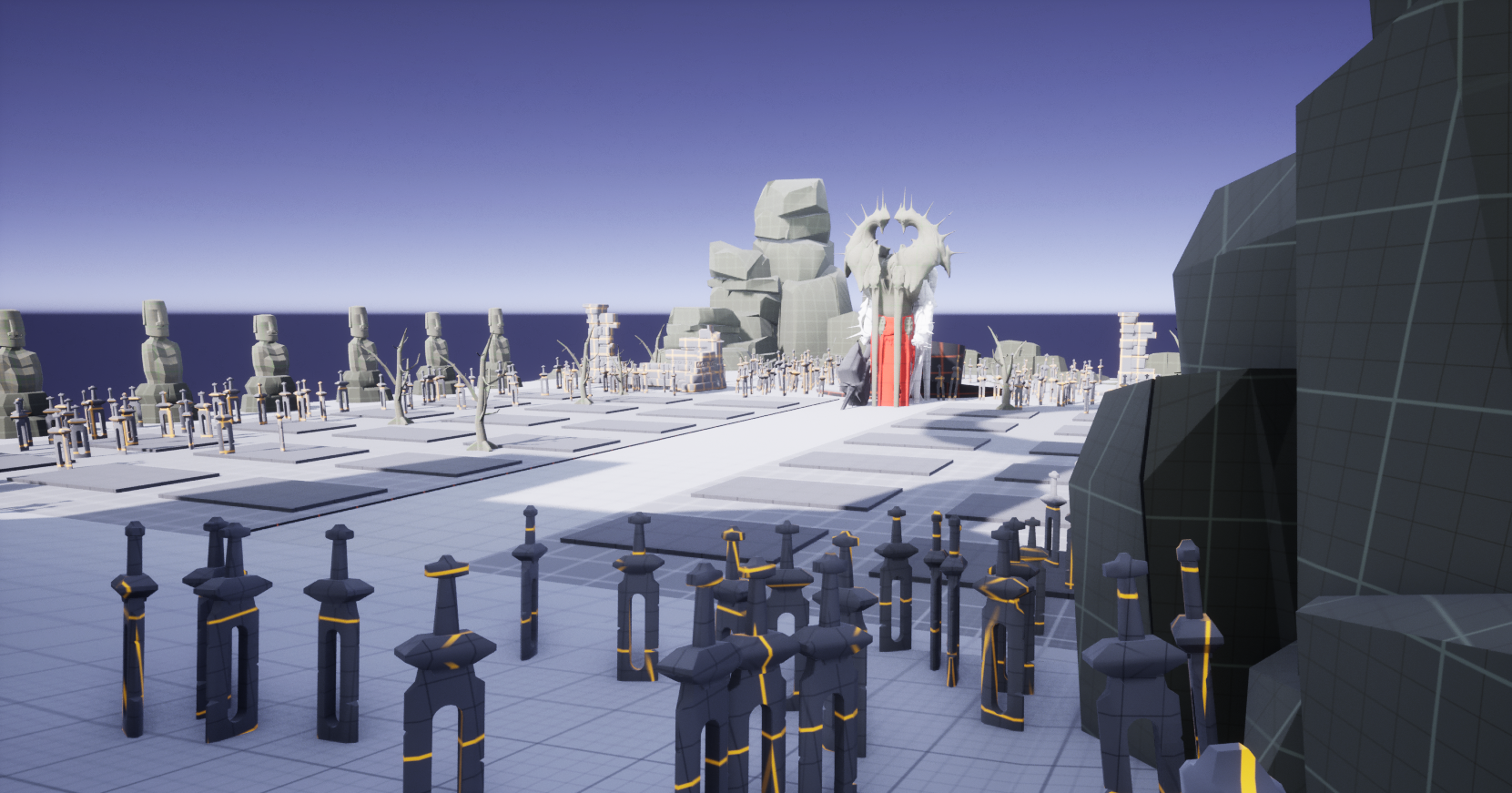
Equally important is the journey leading to the encounter. A final vista, optional secrets, and a calm pre-boss space give players a brief moment to recover and reflect before the battle begins. This contrast between exploration, quiet anticipation, and a climactic challenge is one of the pacing techniques that makes first boss encounters in Souls-like games so memorable, and one that I aimed to capture throughout this project
Project Takeaways
Architectural Metrics Matter
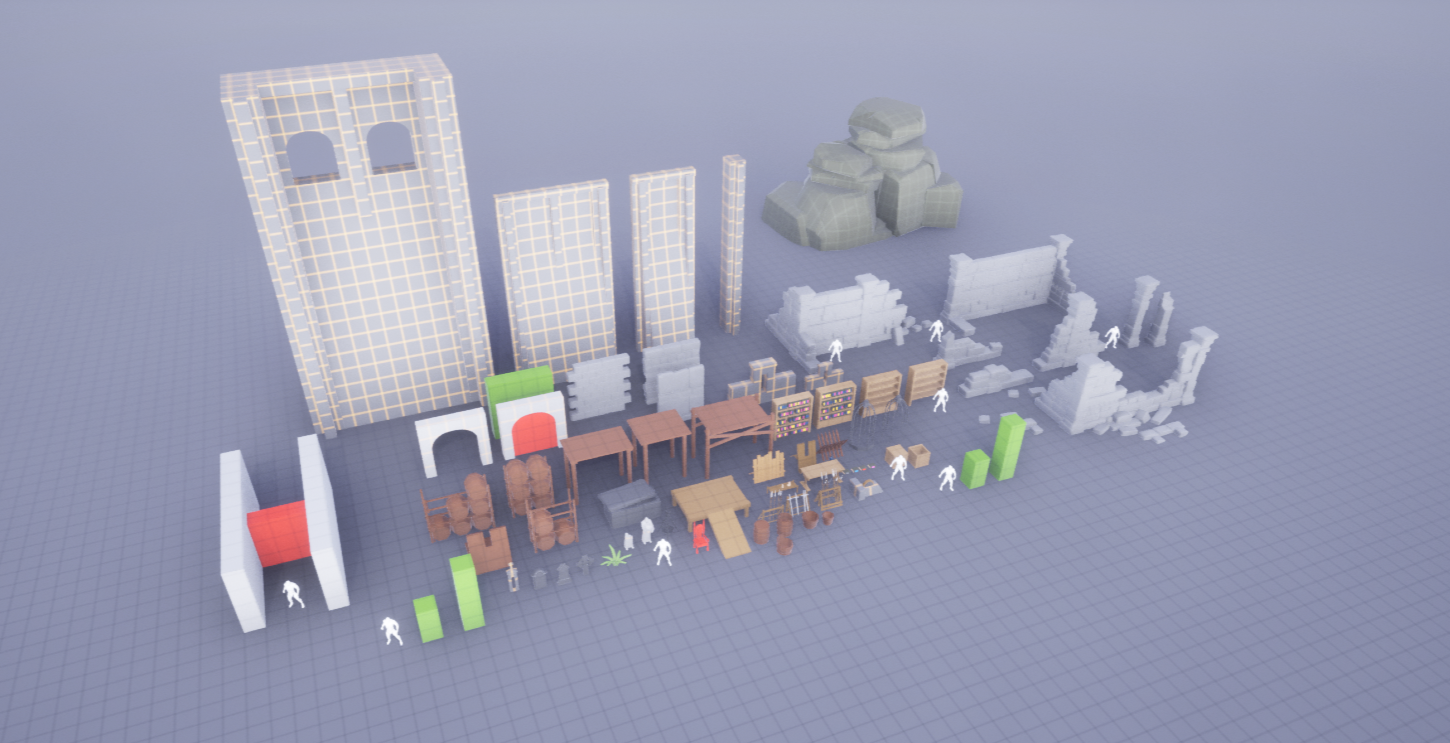
Small adjustments to corridor widths, room proportions, staircase angles, ceiling heights, and door sizes had a significant impact on navigation, combat flow, and overall player readability. Iterating on these metrics was essential to creating spaces that felt both believable and enjoyable to play.
Rewarding Curiosity Encourages Exploration
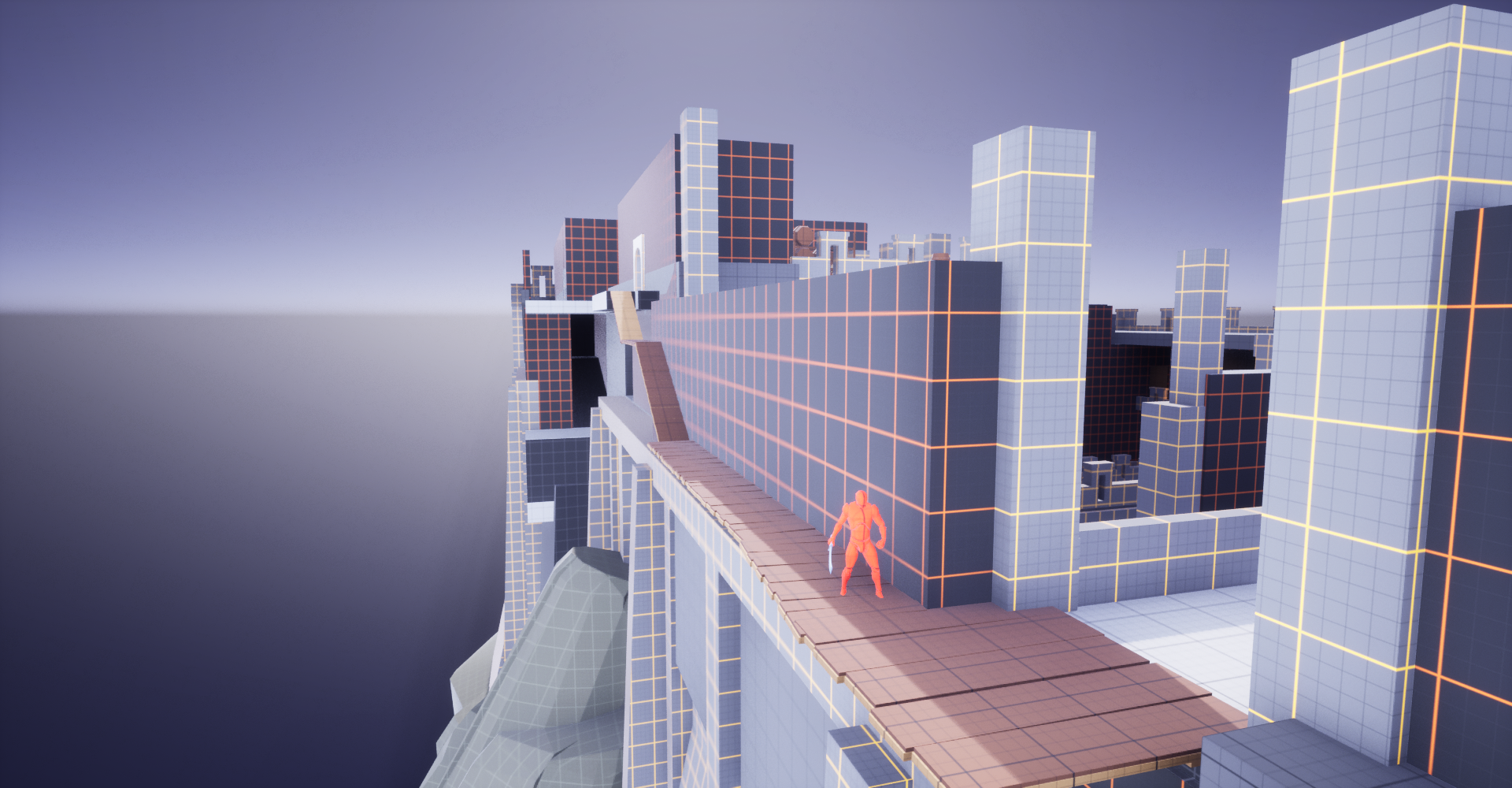
Optional paths were designed to consistently reward players through shortcuts, hidden items, environmental storytelling, and unique vistas, ensuring that exploration always felt meaningful.
Combat Is Defined by the Environment
Enemy encounters became more engaging when supported by intentional architecture. Room layouts, sightlines, elevation changes, and available movement options all contributed to the overall challenge.
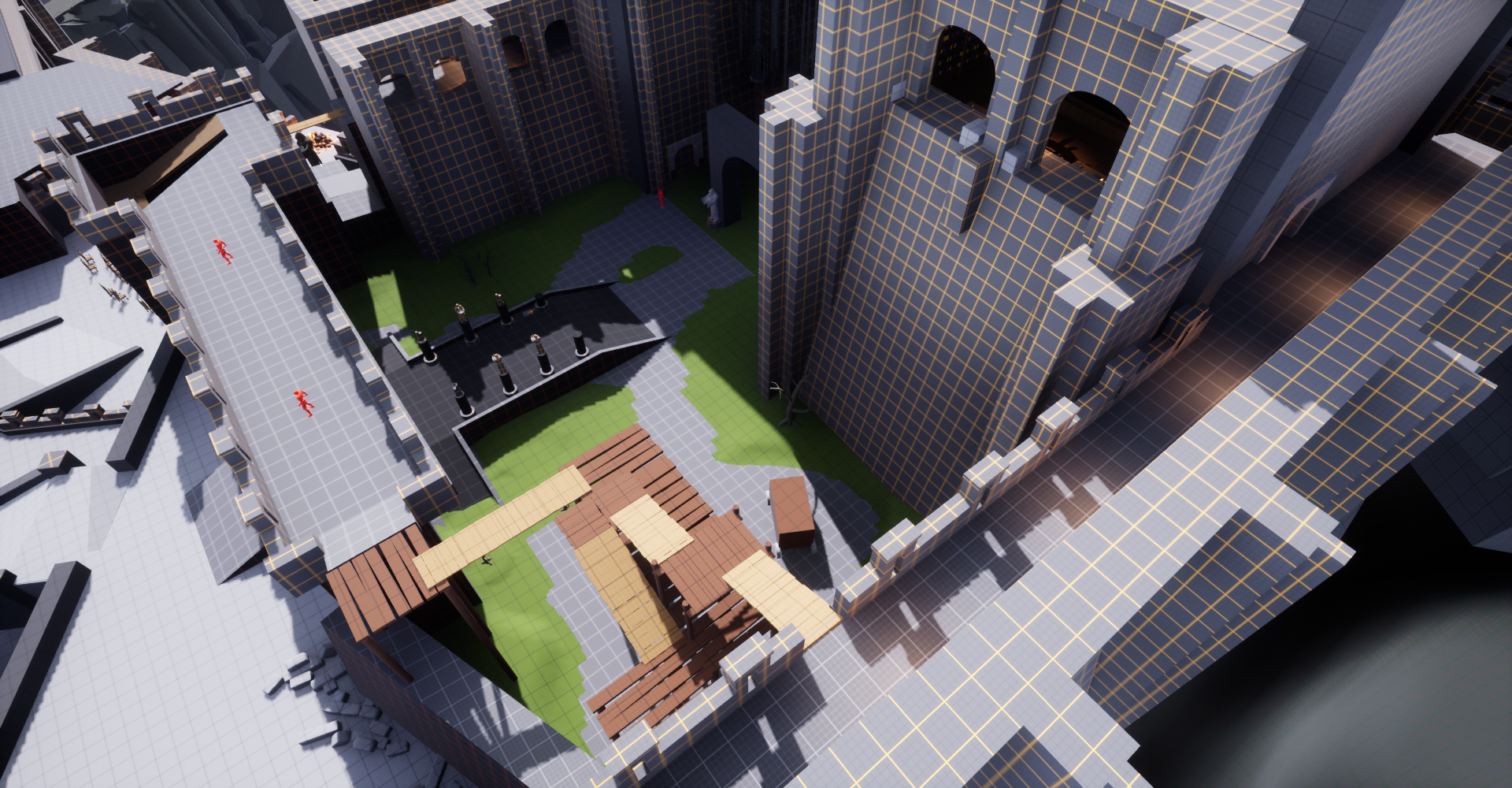
Verticality Enhances Exploration
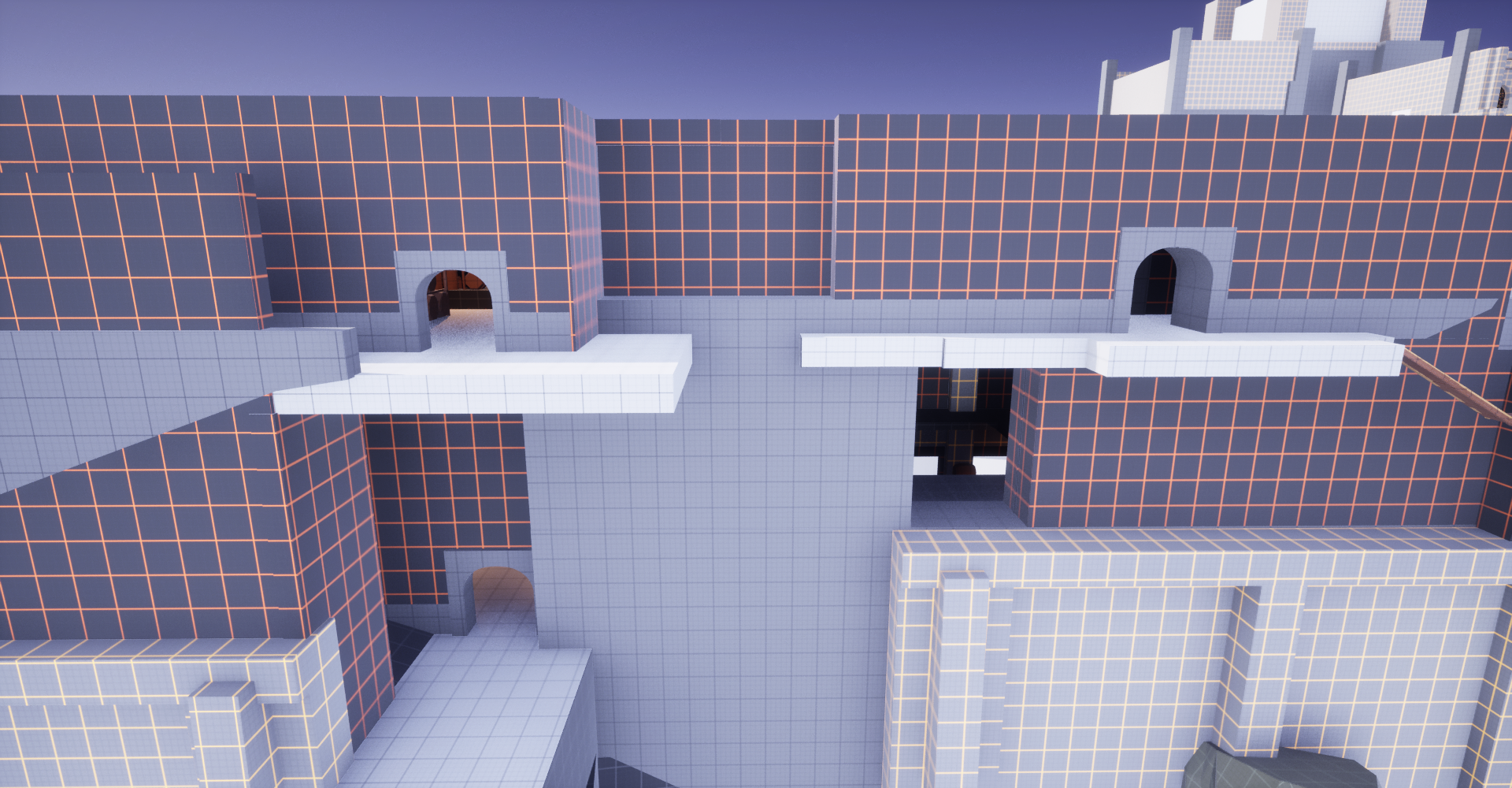
Elevation changes created meaningful routes, memorable landmarks, and new perspectives of previously explored areas. Verticality became a powerful tool for both navigation and environmental storytelling.
Interconnected Layouts Improve Spatial Mastery
Shortcuts and looping paths gradually transformed the player's understanding of the environment, creating a satisfying sense of progression and familiarity with the dungeon.
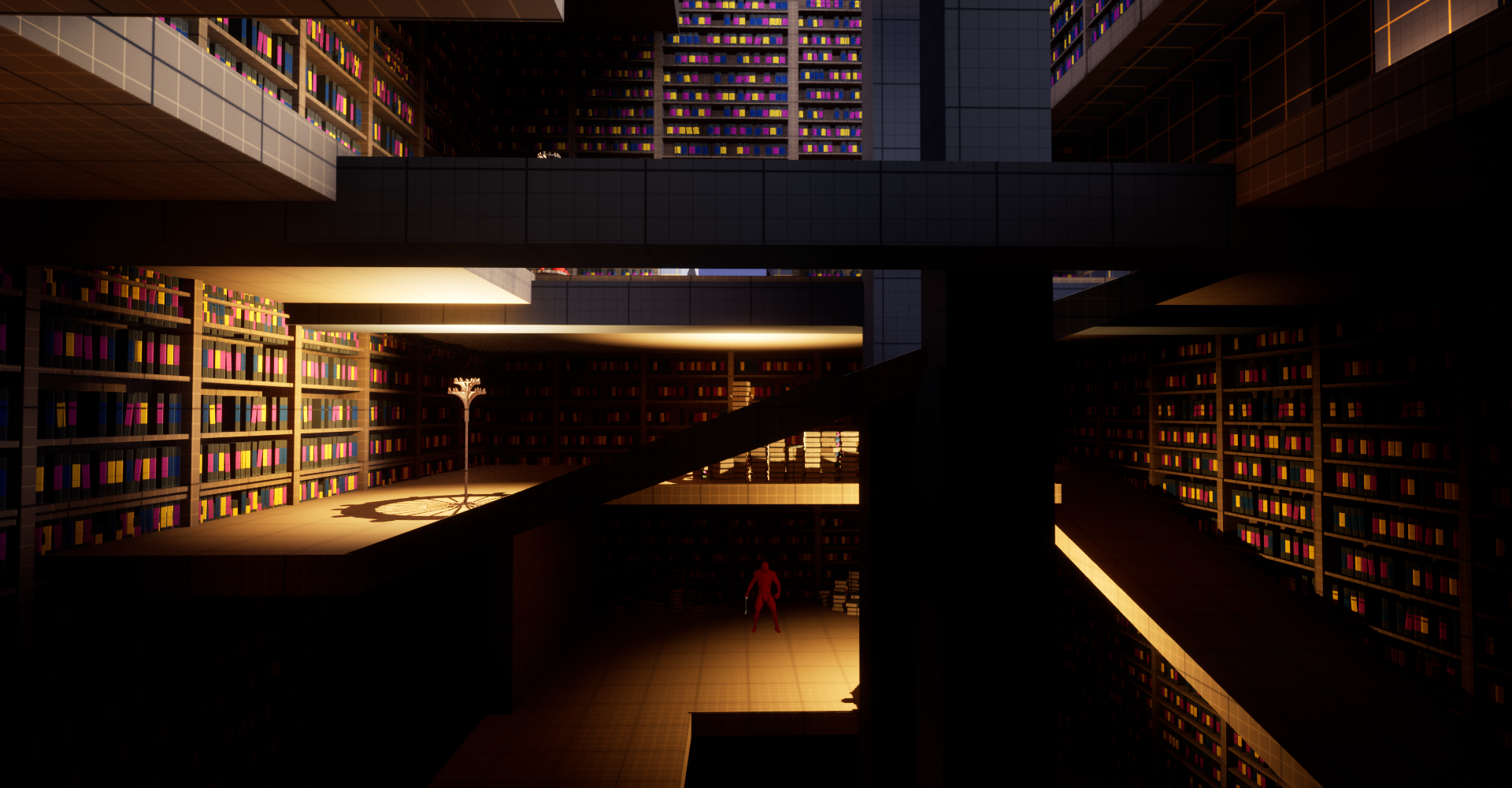
Player Choice Shapes the Experience
Providing multiple routes allowed players to control the order in which they explored the dungeon, creating a stronger sense of agency while maintaining a structured progression.
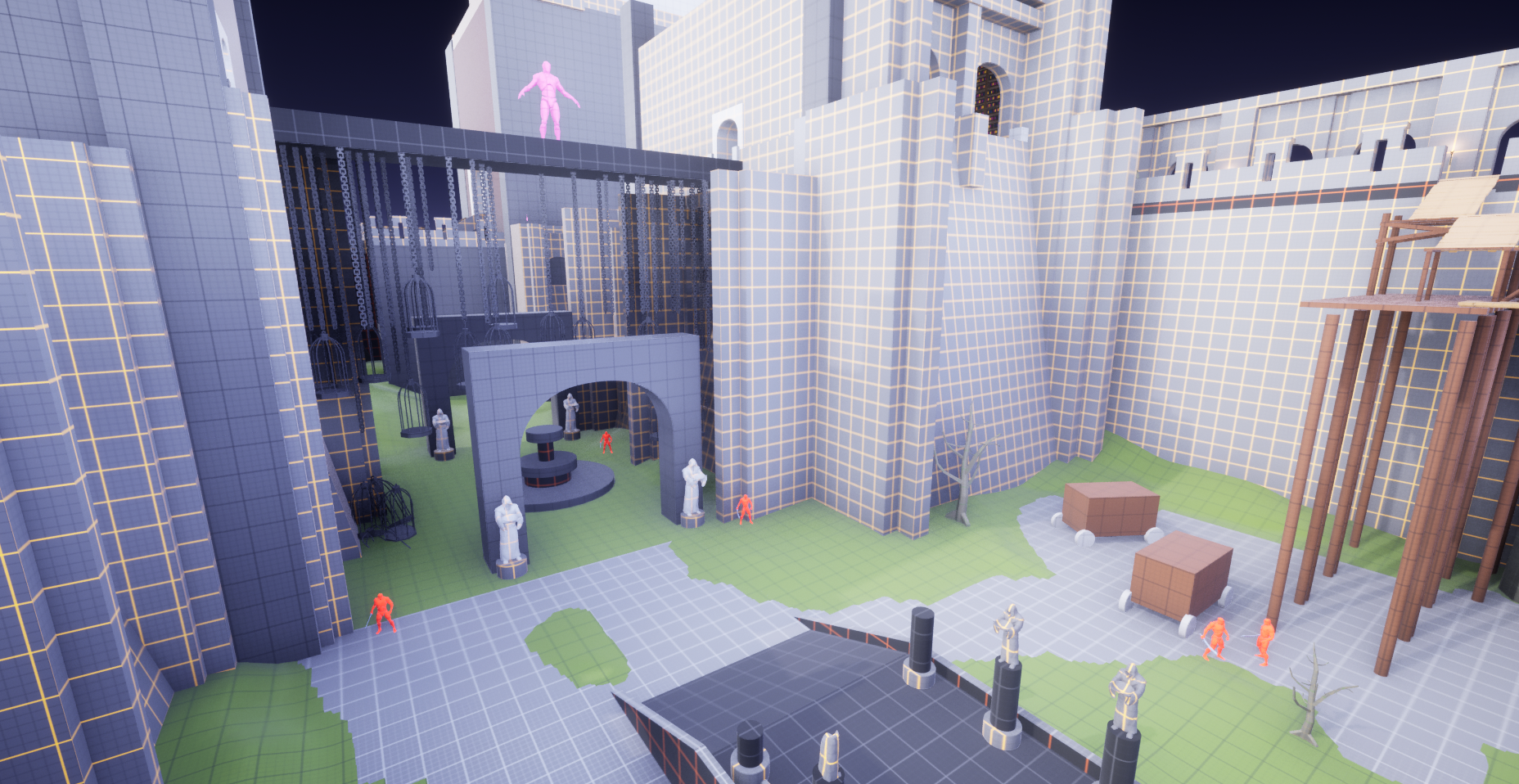
Pacing Is Built Through Intensity
Alternating between combat encounters, exploration, safe areas, and environmental storytelling created a deliberate rhythm of tension and relief, making the player's journey feel engaging and varied.
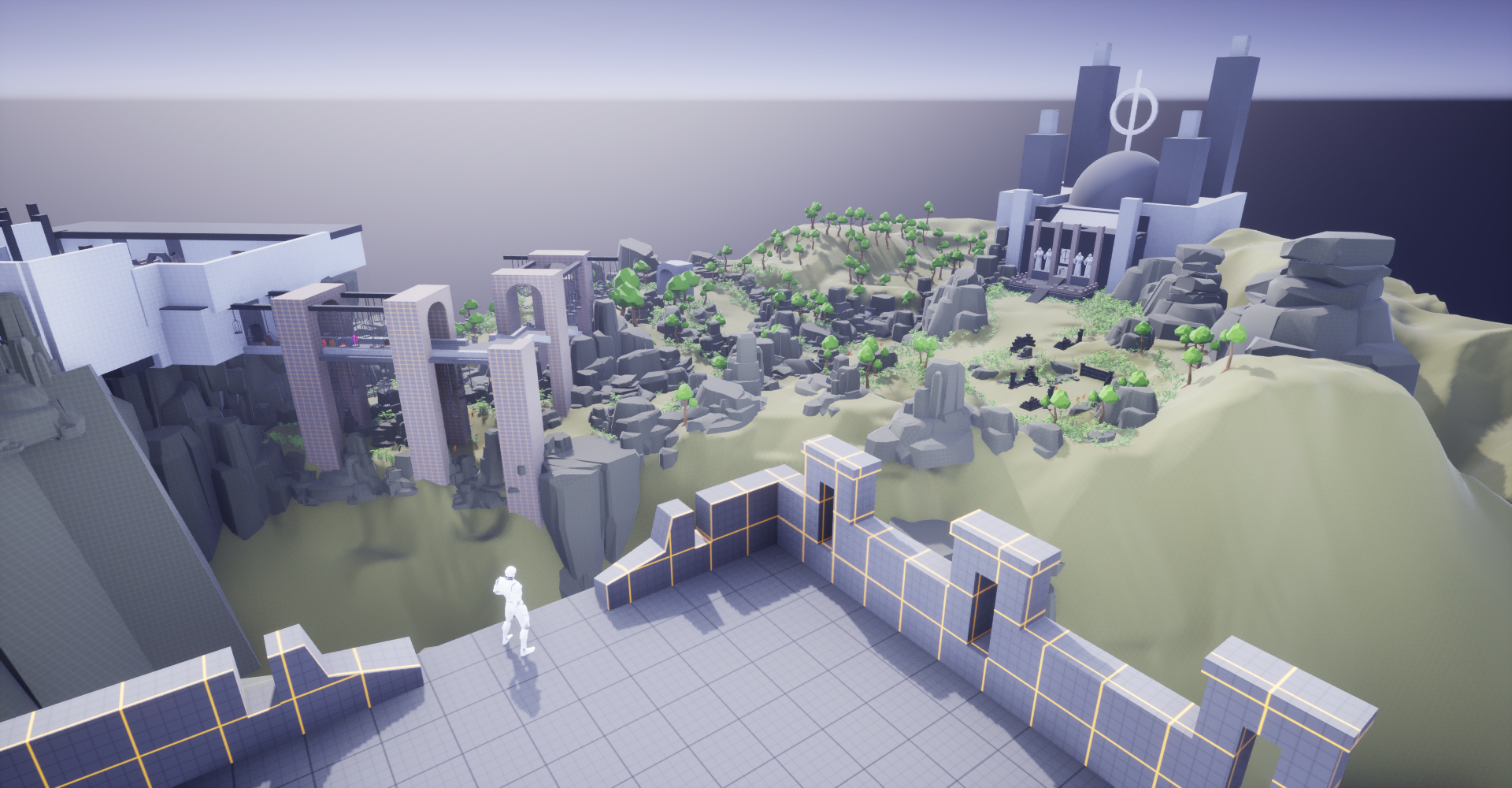
Landmarks and Vistas Guide Navigation
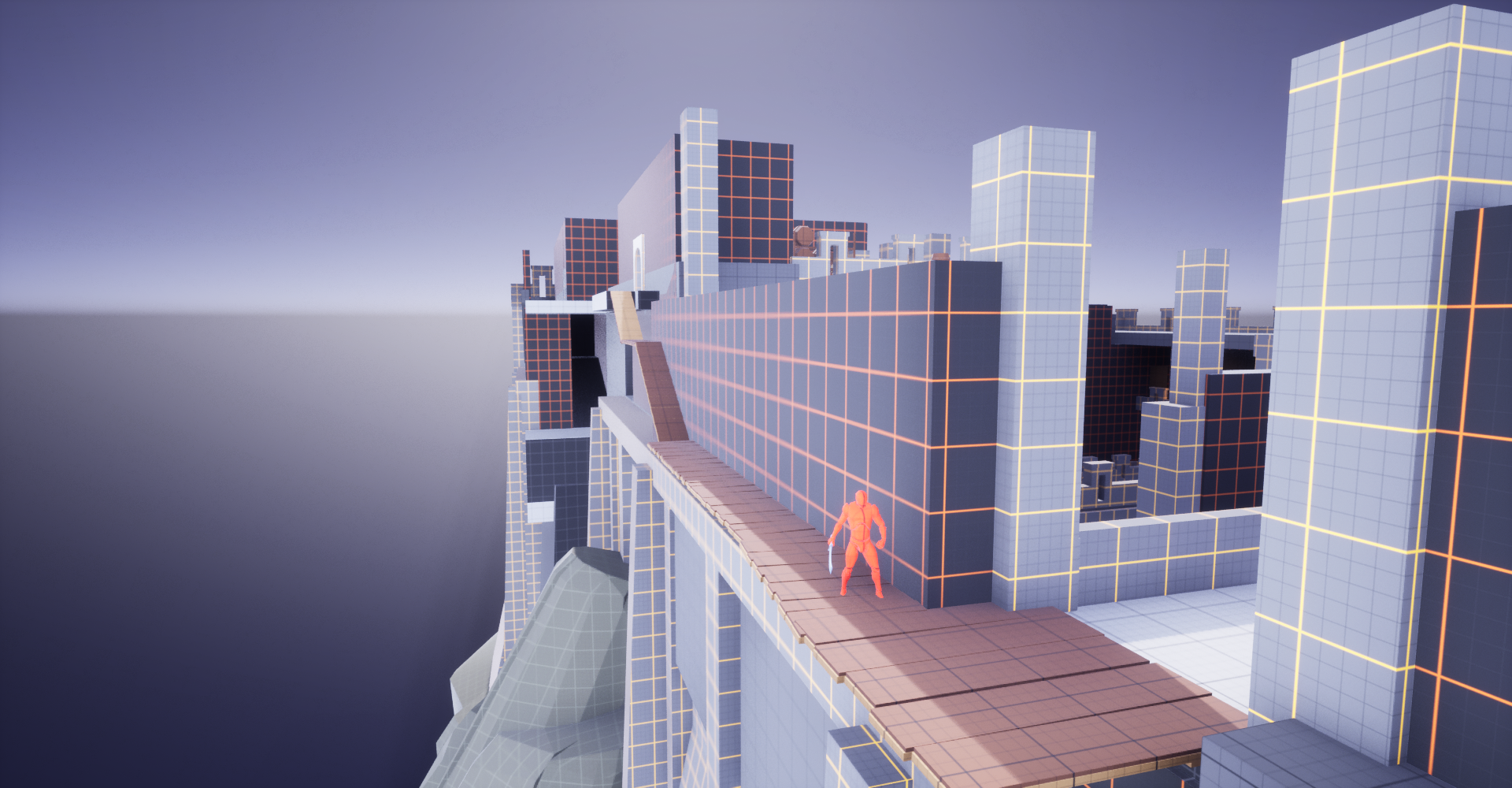
Carefully framed vistas and recognizable landmarks helped players maintain their orientation while reinforcing the scale and interconnected nature of the level.
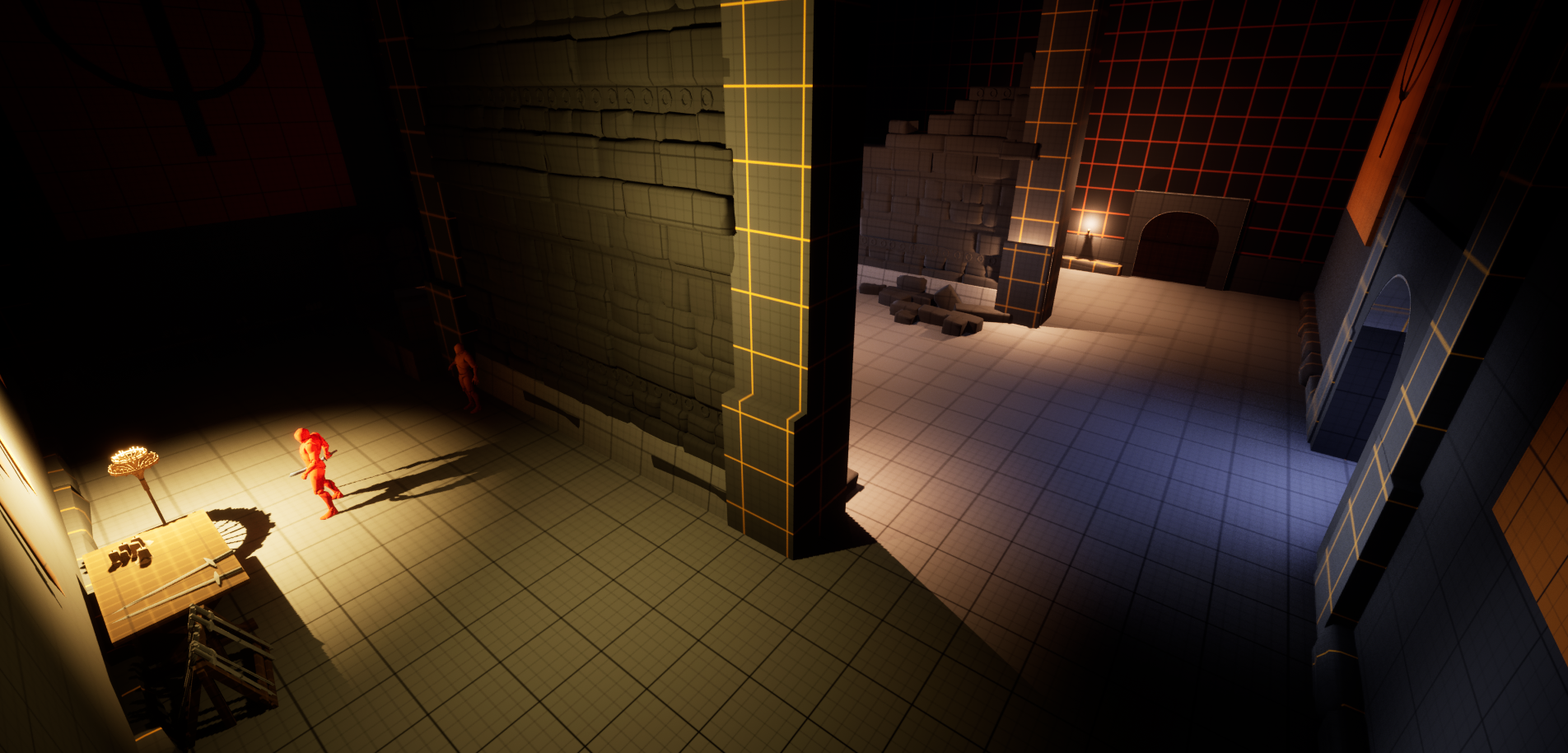
Legacy Dungeons Are Built Around Player Psychology
Perhaps the biggest takeaway from this project was realizing that memorable Legacy Dungeons are not defined by visual complexity alone, but by how architecture, pacing, exploration, and player psychology work together to create meaningful experiences.